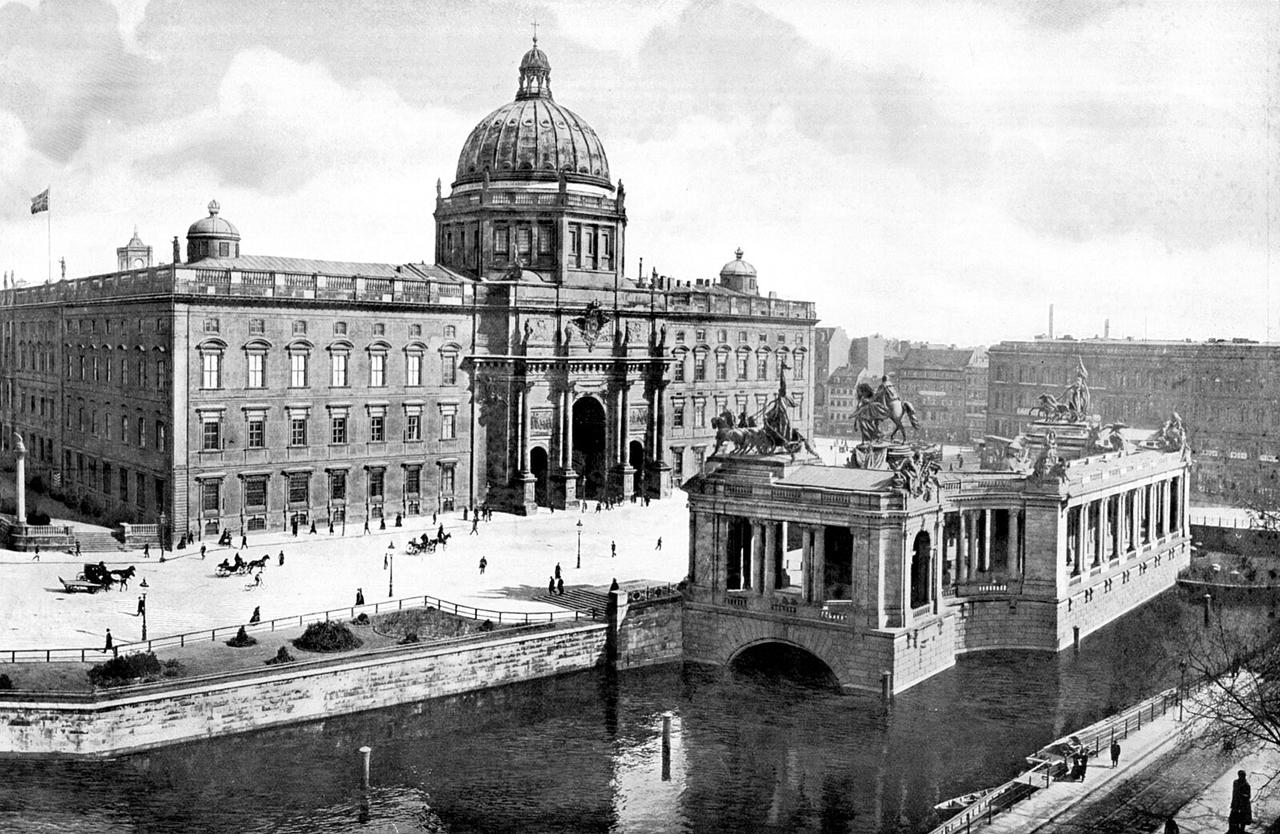
A brief history of Prussia
Walking through Berlin, you are treading on land once inhabited by the Prussians, a Baltic people distinct from the later Prussian state known in European history. The original Prussians settled this area centuries before the rise of the Kingdom of Prussia, shaping the cultural and linguistic landscape of the southeastern Baltic coast. The Old Prussians spoke a language belonging to the Baltic branch, related to Lithuanian and Latvian, rather than Germanic languages.
Their territory covered what is now parts of modern-day northeastern Poland, the Kaliningrad region of Russia, and parts of Lithuania. Throughout the 13th century, the Prussians faced significant upheaval with the arrival of the Teutonic Knights, a crusading military order. The Knights launched campaigns to Christianize and conquer the Prussian lands, leading to the gradual displacement and assimilation of the native population. By the mid-16th century, the Old Prussian language had largely disappeared, replaced by German under the influence of the expanding Teutonic Order and later the Duchy of Prussia.
This transformation laid the foundation for the state that would become known simply as Prussia, playing a major role in German and European politics. Despite this, the heritage of the original Prussians is preserved in place names, archaeological finds, and cultural studies, reminding visitors to Berlin that beneath the city's modern fabric lies a complex history of peoples and cultures. Understanding this helps illuminate how the historical Prussian identity differs from the later, more famous kingdom that shaped much of Central Europe’s history from the 17th century onward.
Any feedback for this story?