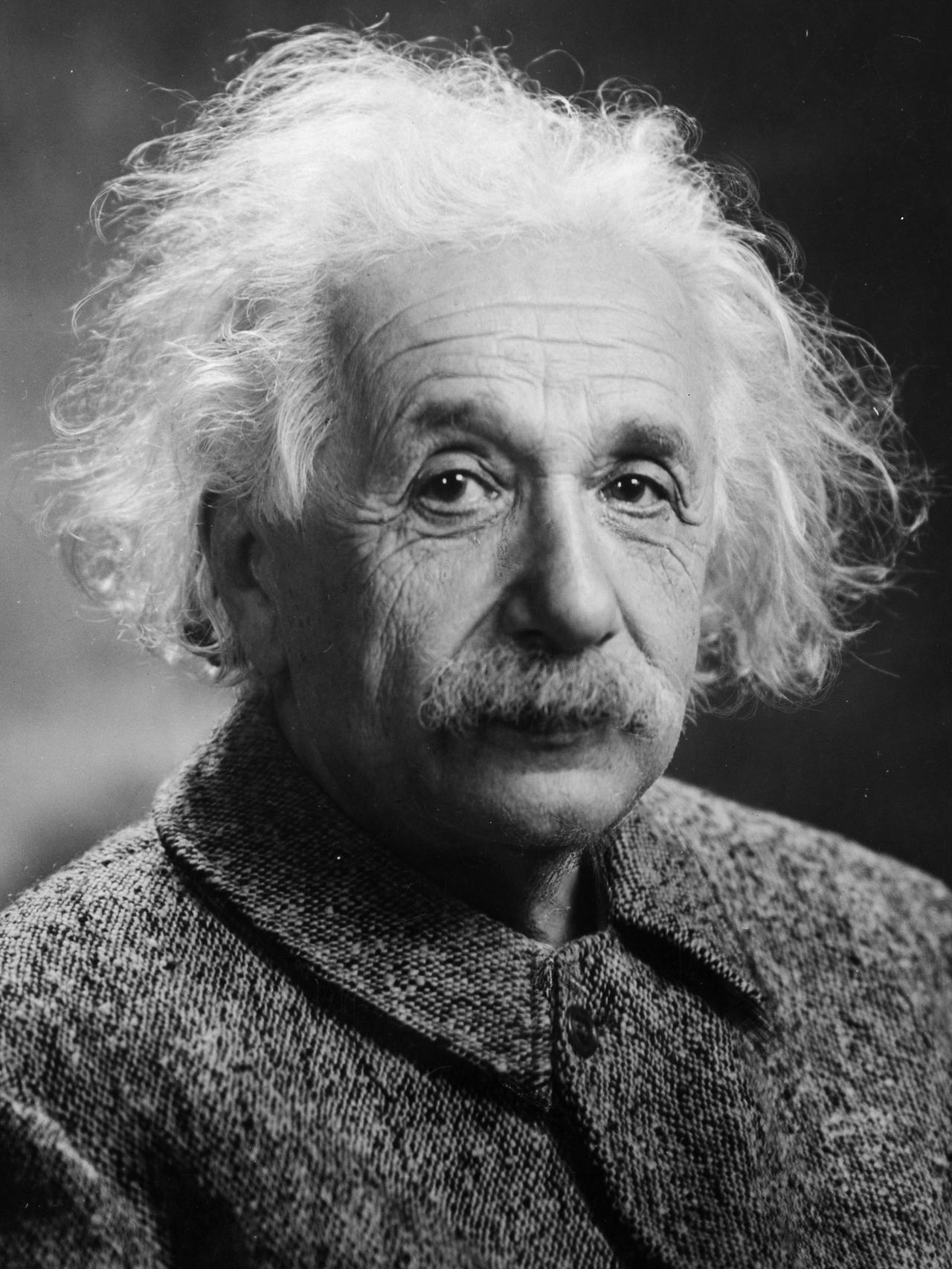
Albert Einstein
In April 1914, Albert Einstein moved to Berlin, a city that would become a significant chapter in his life and career. Invited by Max Planck and Walther Nernst, he joined the Prussian Academy of Sciences, a prestigious position that allowed him to focus entirely on research without teaching obligations. This move coincided with the outbreak of World War I, a turbulent time that shaped both his personal and professional life. Einstein settled in the lively neighborhood of Schöneberg, living at Haberlandstrasse 5 with his wife Mileva Marić and their two sons.
His home became not only a residence but also a hub of intellectual gatherings and scientific discussions. However, his marriage collapsed, leading to separation in 1919 and eventual divorce. Despite these personal difficulties, his Berlin years were highly productive. In 1915, he completed the General Theory of Relativity, a groundbreaking work that revolutionized our understanding of gravity.
The confirmation of his theory during the 1919 solar eclipse catapulted him to worldwide fame. In Berlin, Einstein moved among the intellectual elite, frequenting Max Planck’s salons where science and philosophy intertwined. He also became an outspoken advocate of pacifism and Zionism, which made him controversial in Germany’s rising nationalist climate. With growing antisemitism and the Nazi threat, Einstein was forced to leave Germany in 1933, relocating to the United States, where he continued his work in Princeton.
Any feedback for this story?