Altes Museum completed – 1830
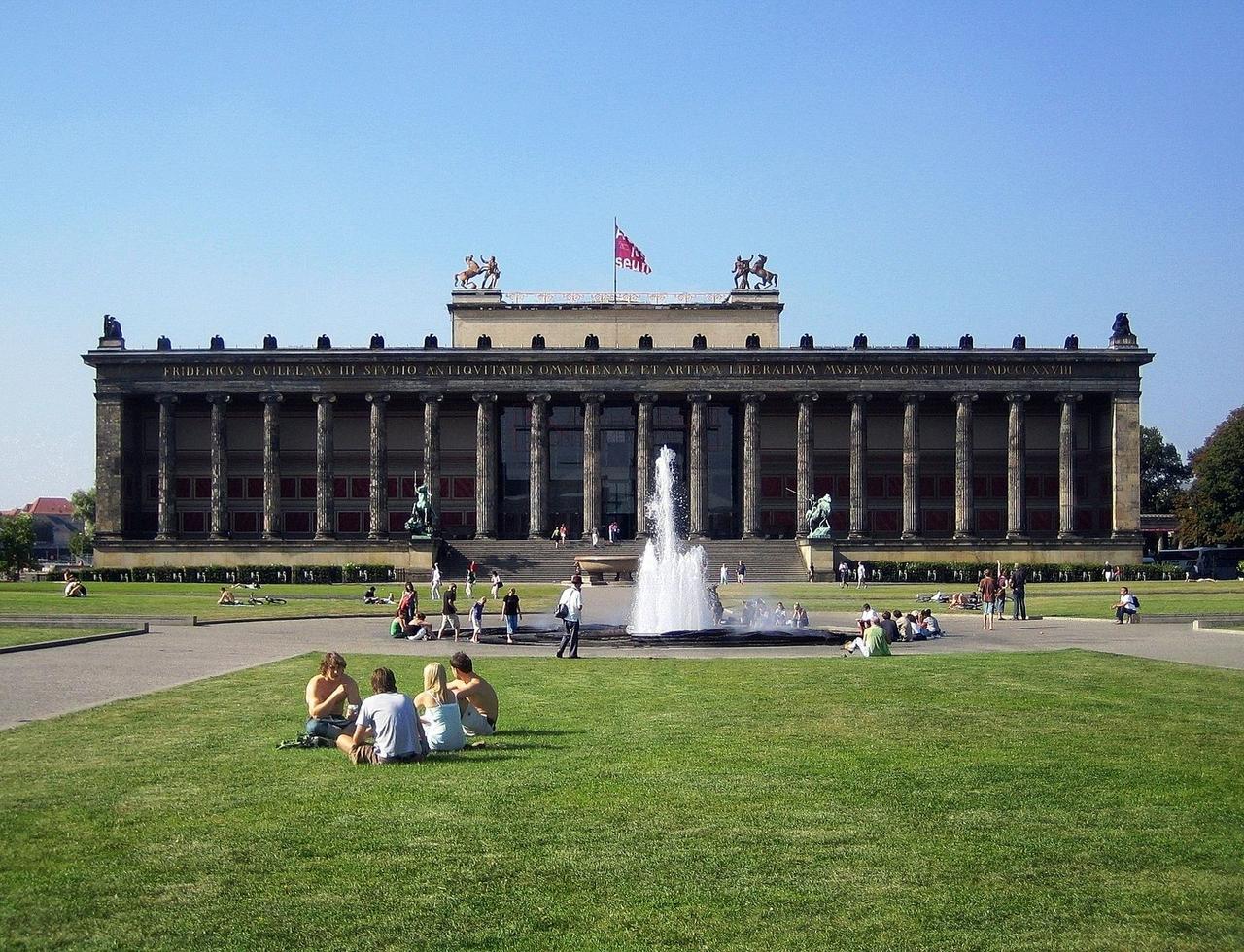
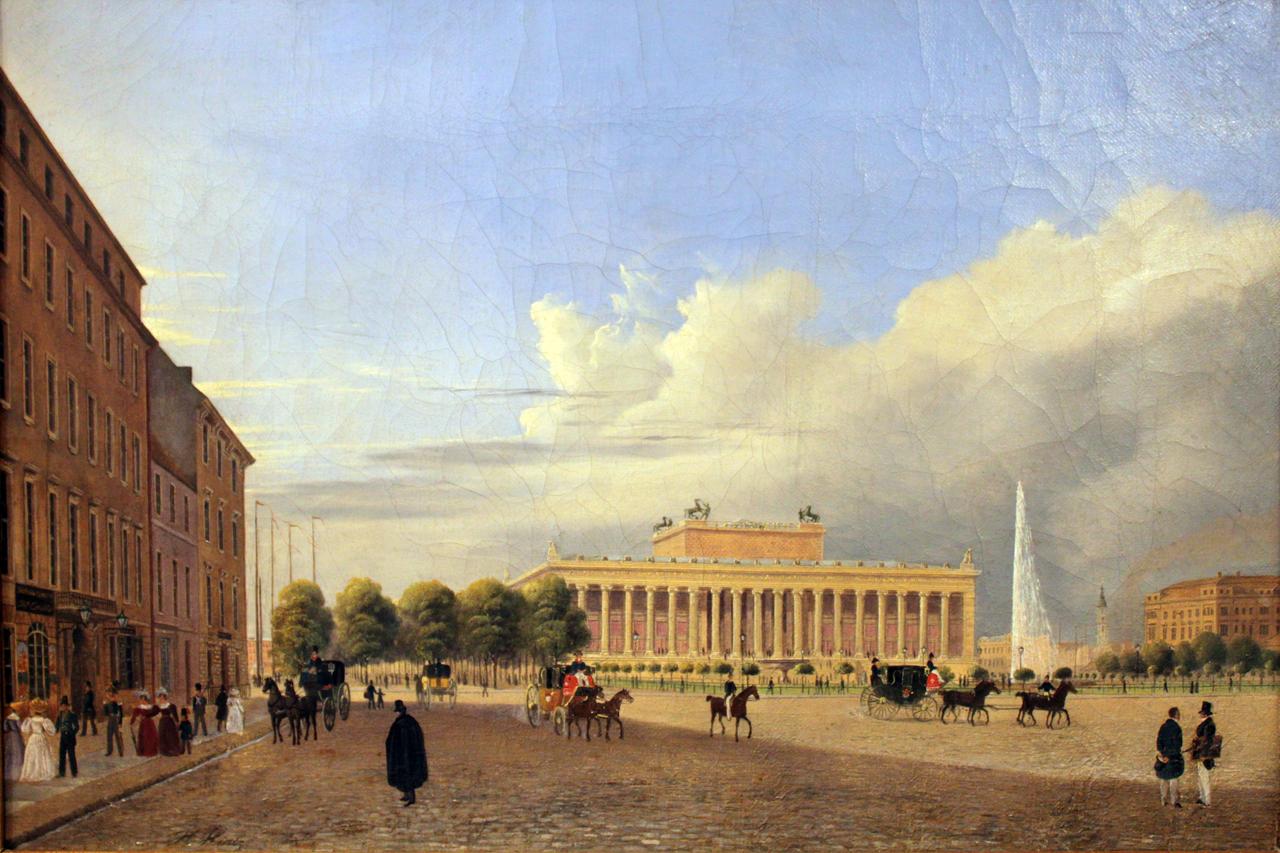
Berlin’s Lustgarten is dominated by the Altes Museum, a landmark that has shaped the city’s cultural landscape since the 19th century. Designed by architect Karl Friedrich Schinkel, the museum was completed in 1828 and officially opened on 3 August 1830. It was commissioned by King Friedrich Wilhelm III to provide public access to art and antiquities, reflecting the Enlightenment belief that culture and knowledge should be shared with everyone.
The building’s neoclassical design draws inspiration from ancient Greece and Rome. Its grand portico, supported by 18 Ionic columns, leads to a central rotunda reminiscent of Rome’s Pantheon. Schinkel aimed to create a space that was both monumental and welcoming, emphasizing clarity, proportion, and light. Originally called the Königliches Museum, it displayed the royal collection of classical antiquities, Old Master paintings, and coins. Over time, the focus narrowed to the Collection of Classical Antiquities, which it still houses today.
This transformation helped establish Museum Island as a central hub for art, history, and research. King Friedrich Wilhelm IV later expanded the vision, dedicating the northern part of Spree Island to art and science, paving the way for a cultural complex that now includes several of Berlin’s most famous museums. The Altes Museum suffered significant damage during World War II, but careful restoration allowed it to reopen in 1966. Today, visitors can explore extensive collections of Greek, Etruscan, and Roman antiquities, gaining insight into ancient civilizations through beautifully displayed objects.
Any feedback for this story?