Bebelplatz
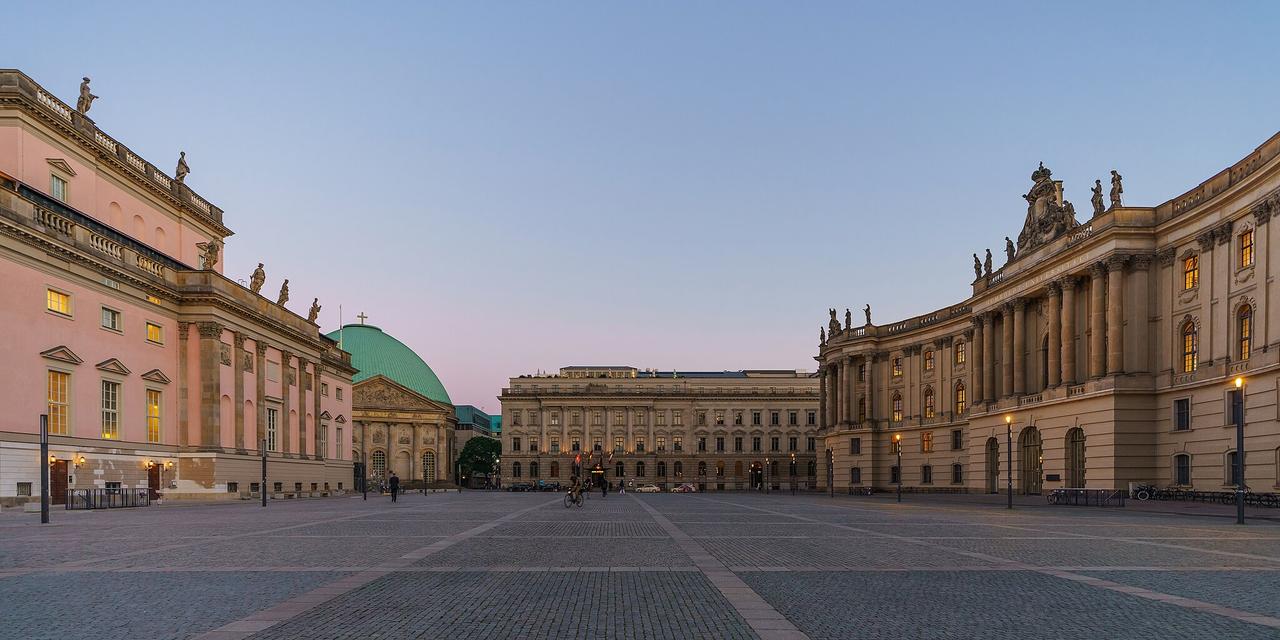
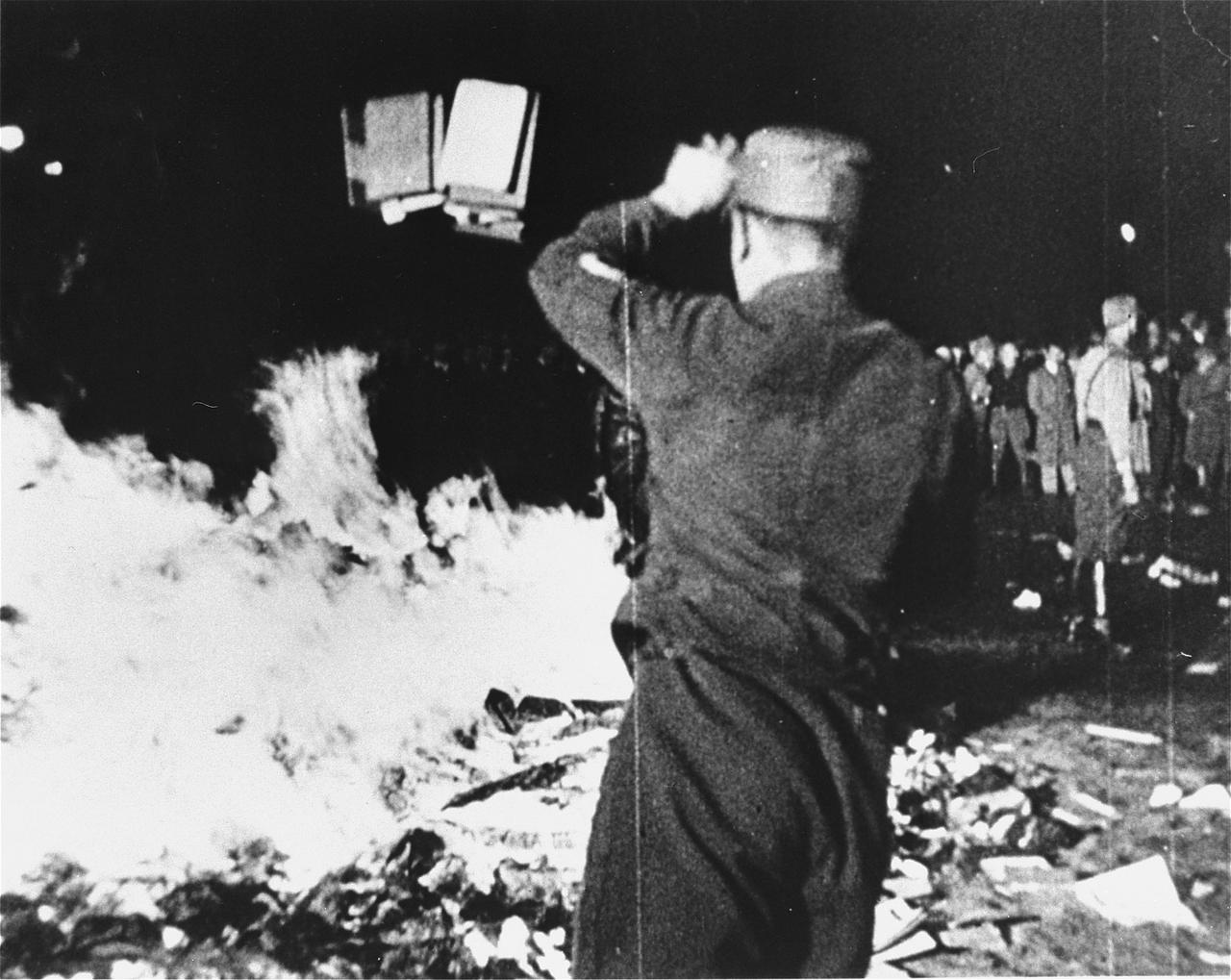
The grand stone facades surrounding you today look serene, almost untouched by time. But on May 10, 1933, this square glowed with fire. Nazi student groups piled thousands of books here and burned them. The targets were some of Germany's finest minds: novelists Heinrich and Thomas Mann, children's author Erich Kästner, essayist Stefan Zweig, and poet Heinrich Heine, who had written a century earlier that where they burn books, they will ultimately burn people too. He was right.
Most of those authors had already fled Germany by then. Their words were gone from the shelves, and soon many would lose far more. A small glass panel set into the pavement marks the spot today, revealing an underground room of empty white bookshelves. It says everything without saying a word.
The square itself has a longer, more hopeful story. King Frederick the Great of Prussia redesigned it in 1740, envisioning a grand cultural hub for Berlin. The centerpiece, the Staatsoper Unter den Linden opera house, was completed in 1741 in elegant Palladian style. It was bombed heavily in World War II and lovingly rebuilt afterward, and it still draws audiences tonight just as it did nearly 3 centuries ago.
Any feedback for this story?