Benno Ohnesorg Monument
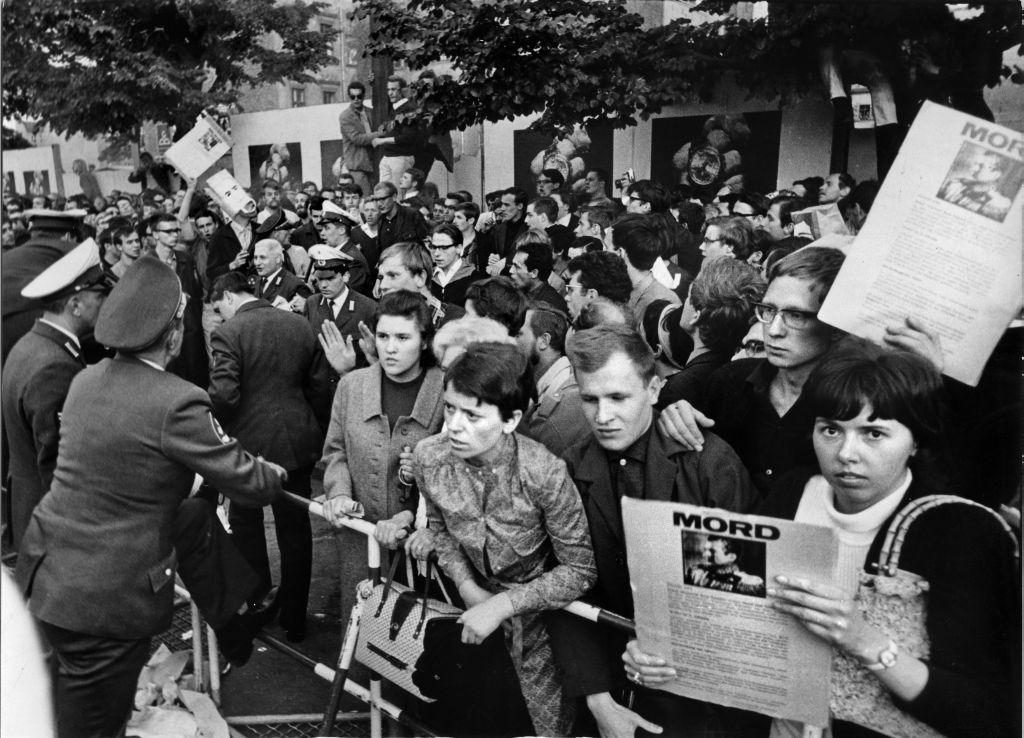
On June 2, 1967, a defining event shook West Berlin and left a lasting impact on German society and politics. During a protest against the visit of Shah Mohammad Reza Pahlavi of Iran, whose regime was notorious for oppression, 26-year-old student Benno Ohnesorg joined a political protest for the very first time. The demonstration near the Deutsche Oper Berlin began peacefully but escalated when pro-Shah supporters attacked the protesters. The police, led by Karl-Heinz Kurras, responded with extreme brutality, using batons and water cannons.
Later that evening, as demonstrators dispersed into nearby streets and courtyards, Ohnesorg was fatally shot in the back of the head by Kurras. His death, captured in haunting photographs, sparked national outrage and widespread protests. The official investigation was highly controversial. Kurras claimed he acted in self-defense, but eyewitnesses and forensic evidence contradicted his account. Despite this, he was acquitted, a verdict widely regarded as a miscarriage of justice.
Ohnesorg’s death became a turning point: the student movement radicalized, and groups such as the Red Army Faction drew inspiration from it. More broadly, a new generation of Germans began questioning state authority. Decades later, it was revealed that Kurras had been an informant for the East German Stasi, adding a disturbing dimension to the case. Today, the memorial next to the Deutsche Oper preserves the memory of that tragic day.
Any feedback for this story?