Berliner Unwille – 14th century
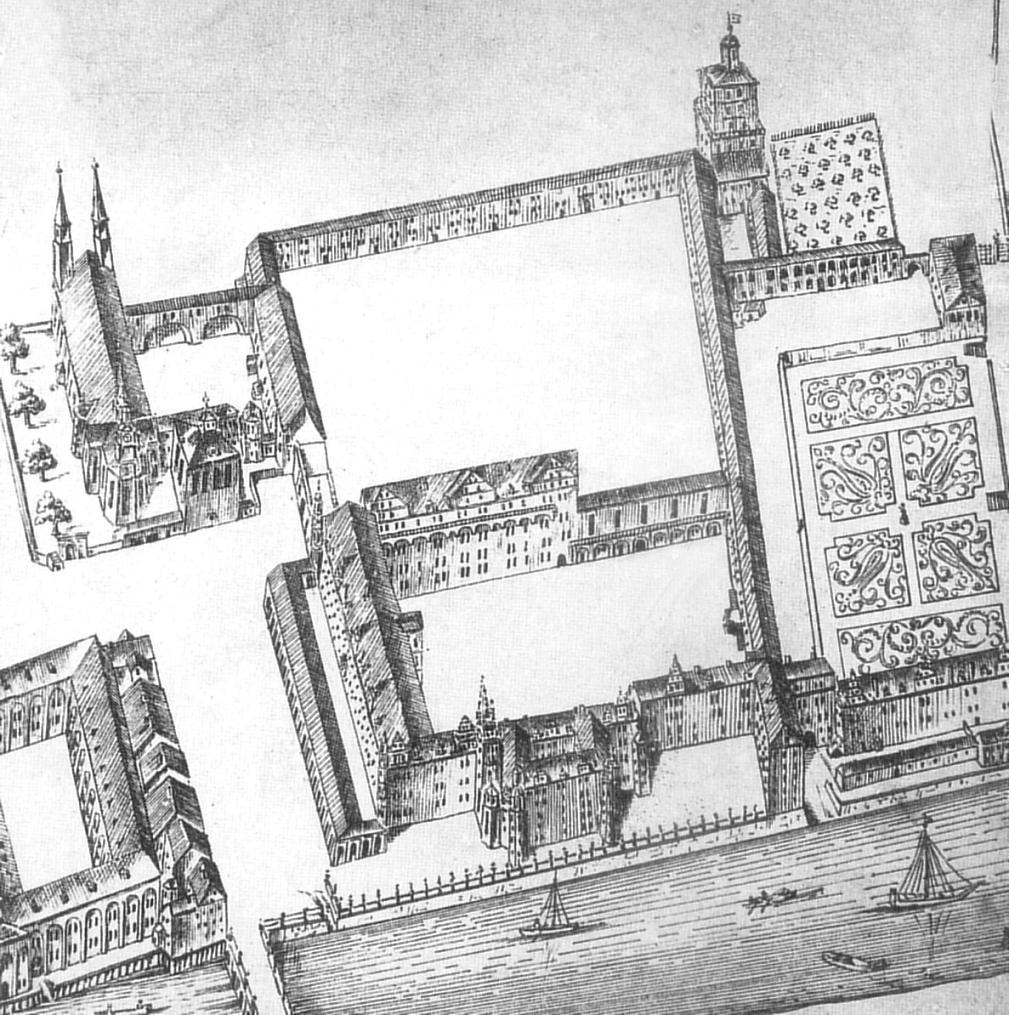
Around the mid-fifteenth century, this part of Berlin was at the heart of a dispute that locals would later remember as the Berliner Unwille—the “Berlin Displeasure.” It began when Elector Frederick II, known as “Iron-Tooth,” decided to build a new fortified residence on the Spreeinsel. The project was more than just stone and mortar; it meant taking over parts of the city’s land and tightening princely control over a community that valued its autonomy.
By spring 1448, tensions reached a breaking point. Citizens, angered by the loss of rights and space, took matters into their own hands. They broke through dikes and deliberately flooded the construction site, halting work on the planned palace. It was a rare act of open defiance in medieval Berlin, a moment when townspeople dared to push back against their ruler. But the balance of power was not in their favor. The resistance collapsed within months, and the final outcome strengthened the elector’s authority.
The new palace was built, and the city’s self-governing powers were sharply reduced. Berlin began shifting from a relatively independent trading town into a princely seat under Hohenzollern control. Key figures played their parts on both sides. Balthasar Boytin, a supporter of the elector, briefly left the city during the unrest but returned to be rewarded with the mayor’s office in 1449–1450. Wilhelm von Blankenfelde, who had been mayor in the 1440s, was caught in the political crossfire, fined, and temporarily stripped of property, though eventually reinstated.
The Berliner Unwille may not be as widely remembered today, but it marked a turning point. From then on, Berlin’s trajectory leaned firmly toward centralized princely rule, a path that would, centuries later, place the city at the core of Brandenburg, then Prussia, and eventually a united Germany.
Any feedback for this story?