Berlin's Medieval City Wall
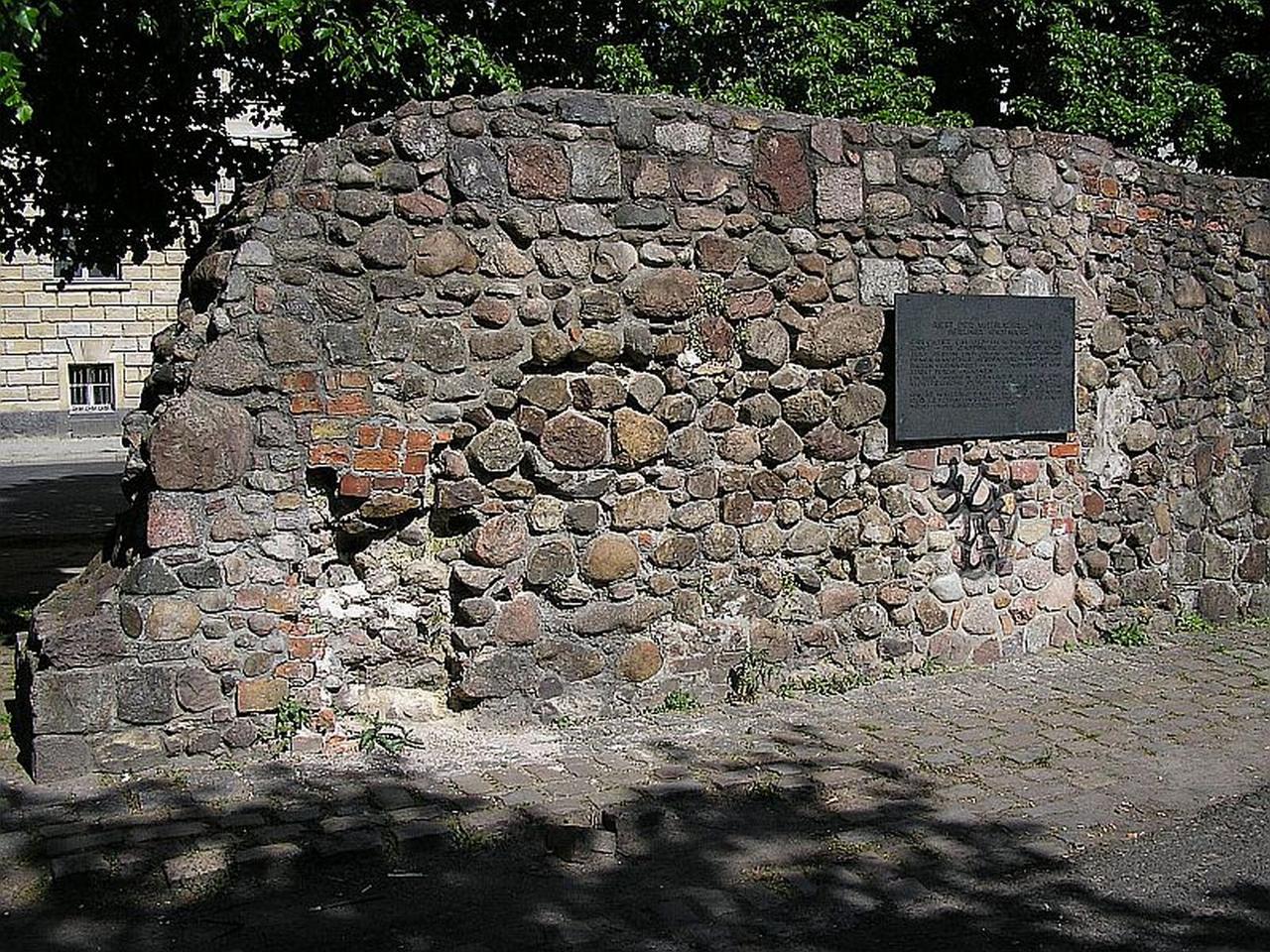
That rough stretch of stone and brick running along the street here is easy to miss, but stop for a moment. You're standing at the edge of medieval Berlin, and this wall has been quietly holding its ground for nearly 800 years.
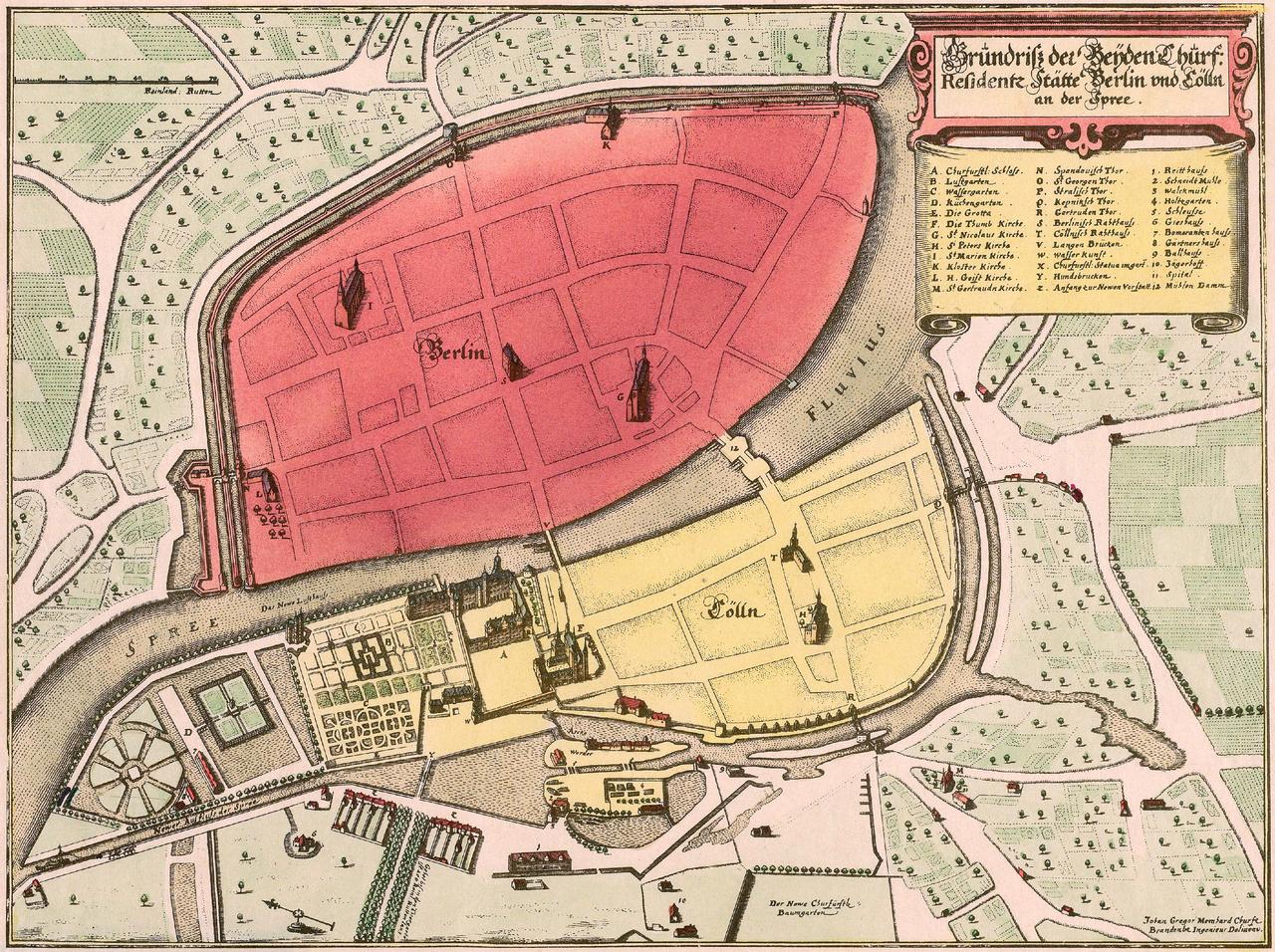
When construction began around 1250, Berlin was actually two separate settlements: Berlin on the east bank of the Spree river, and Cölln on the west. The wall was their shared skin, built first from fieldstones scraped off the surrounding countryside. Back then it stood barely 2 meters high, less a military fortress and more a statement: here is where the town ends, and the wilderness begins.
By the 14th century, the wall was rebuilt in brick and raised to 5 meters, with guard towers and narrow shooting slits. A double system of wide ditches and a thick earth rampart added extra protection. Still, the city outgrew its defenses surprisingly fast, and most of the wall was eventually torn down, its bricks recycled into houses and churches.
One small stretch even became the back wall of Zur letzten Instanz, Berlin's oldest restaurant, still serving meals today since 1621. This section was rediscovered in 1948, buried under bomb rubble from World War II, and has been protected ever since.
Any feedback for this story?