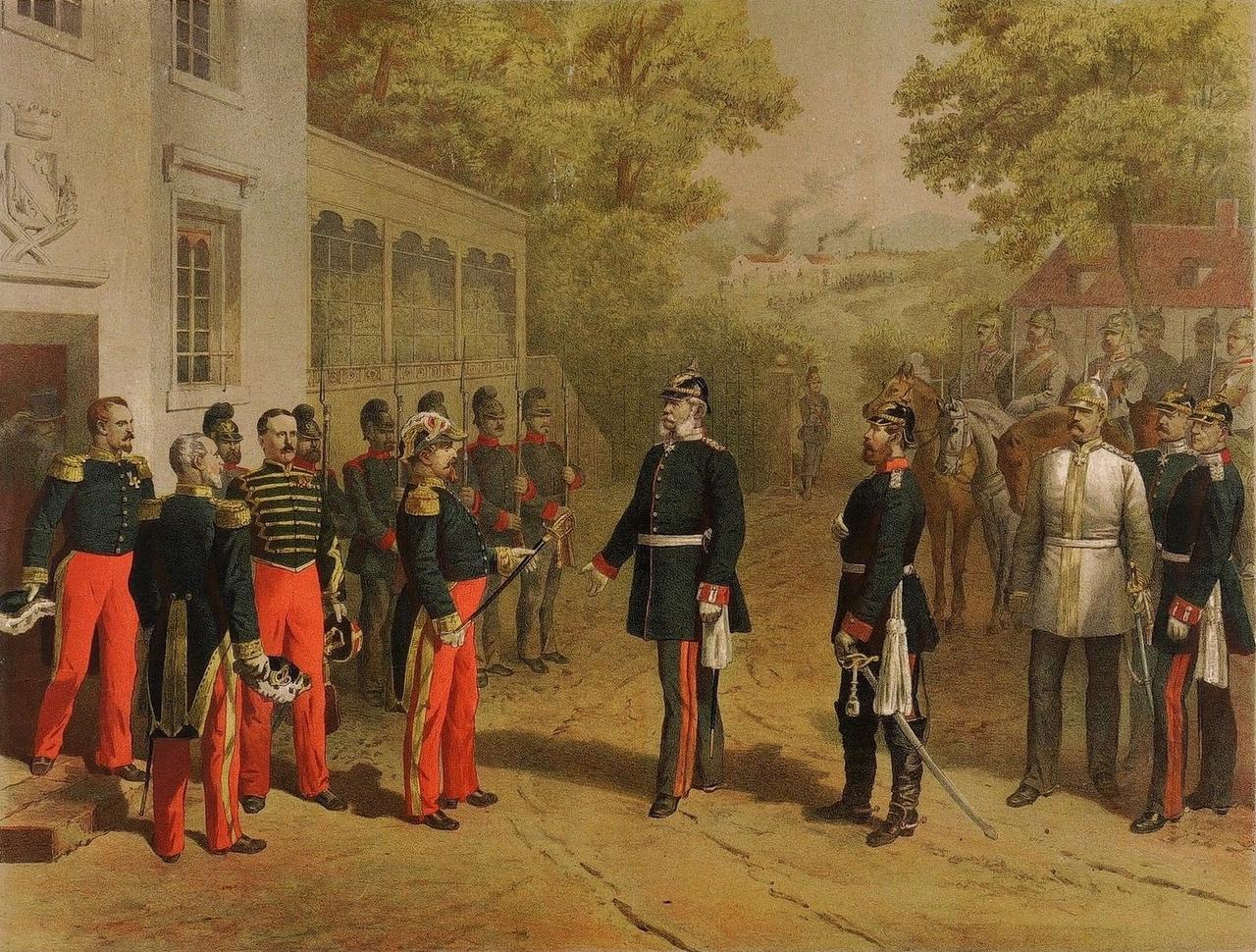
Bismarck's Europe
Take a look at Bismarck’s Europe—right here in Berlin, you’re near the spot where Otto von Bismarck quietly shaped a continent’s balance through diplomacy, not theater. You might know Bismarck as the “Iron Chancellor,” but fewer visitors realize how carefully he avoided permanent victories in war after unifying Germany in 1871. Instead, he turned toward diplomacy—iron-willed, yes, but patiently aimed at preserving peace.
He refused naval or colonial rivalries that could alarm Britain, and worked to keep France isolated while nurturing alliances with other powers. In 1873, Bismarck created the League of the Three Emperors—an arrangement binding Germany, Russia, and Austria-Hungary in mutual understanding. Its goal was stability in Eastern Europe: each respected the other’s sphere of influence in the Balkans, no permanent dominance sought, just equilibrium.
Then in 1878, in this very city, Bismarck convened the Congress of Berlin amid rising tensions over the Russo-Turkish War. Acting as what he called an “honest broker,” he hosted representatives of major powers to reverse Russia’s sweeping gains under the earlier Treaty of San Stefano. The agreement restored balance: Austria-Hungary gained administration of Bosnia and Herzegovina, Romania, Serbia, and Montenegro earned independence, and Britain took charge of Cyprus—all while Europe stood on the brink of renewed war.
It’s intriguing how a moment like that—deliberate, controlled—would estrange Russia, contributing to the breakdown of the Three Emperors’ League and paving the way for new defensive alliances, like the Dual Alliance with Austria in 1879 and the Triple Alliance with Italy in 1882.
Any feedback for this story?