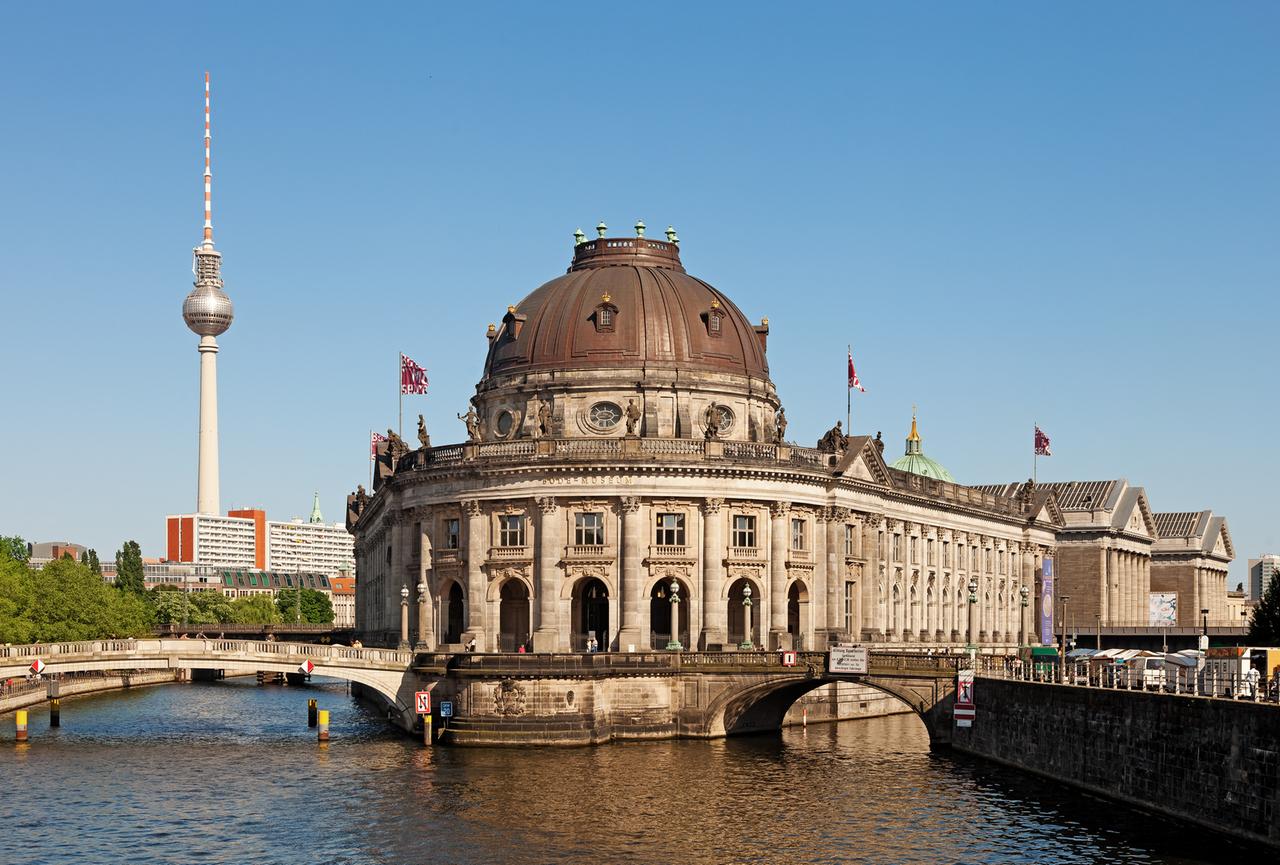
Bode Museum
On Museum Island, a UNESCO World Heritage site, stands the enchanting Bode-Museum, a neo-Baroque masterpiece near the Fernsehturm. Built between 1897 and 1904 by court architect Ernst von Ihne, it was originally named the Kaiser Friedrich Museum in honor of Emperor Frederick III, who died in 1888. In 1956, it was renamed the Bode-Museum to honor its first curator, Wilhelm von Bode.
Von Bode was instrumental in shaping the initial collection, focusing on sculpture. Today, the museum is renowned for its impressive sculptures from the Byzantine and Roman Empires, as well as Italian, French, and Spanish Gothic and early Renaissance works, making it a treasure trove for art lovers.
A highlight is the Münzkabinett, one of the world’s largest coin collections. With around 500,000 objects, spanning from the 7th century BC to modern times, it offers a comprehensive view of economic and cultural history. Located on picturesque Museum Island, the Bode-Museum, together with its neighbors, forms a hub of culture and history in central Berlin.
Any feedback for this story?