Brandenburg Gate
Right in front of you stands one of Europe's most powerful monuments, and it has been through more drama than most nations ever experience.
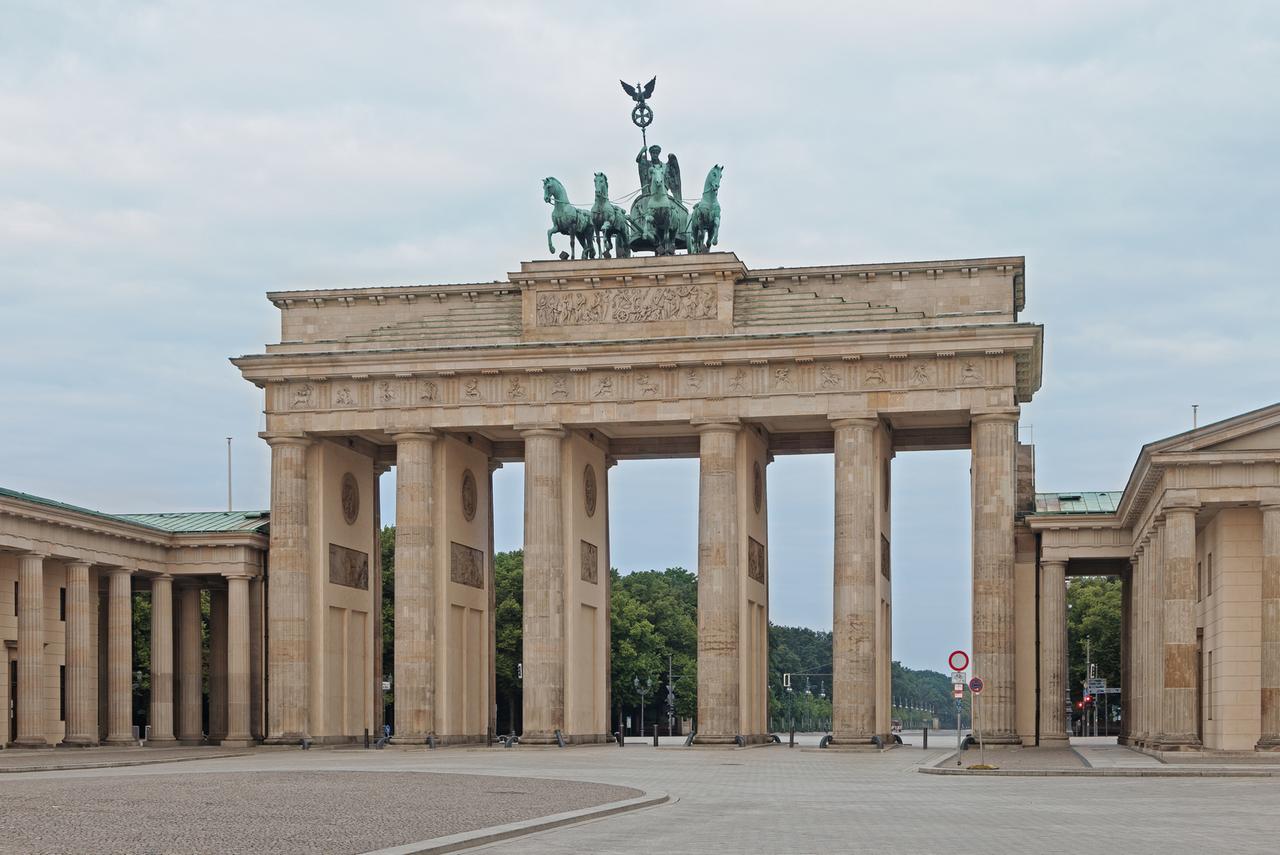
The Brandenburg Gate was built between 1788 and 1791, commissioned by Prussian King Frederick William II and designed by architect Carl Gotthard Langhans. He drew inspiration from the Propylaea, the ancient gateway to the Acropolis in Athens. Twelve Doric columns form five passageways, and back in its day, only royalty could use the central one.
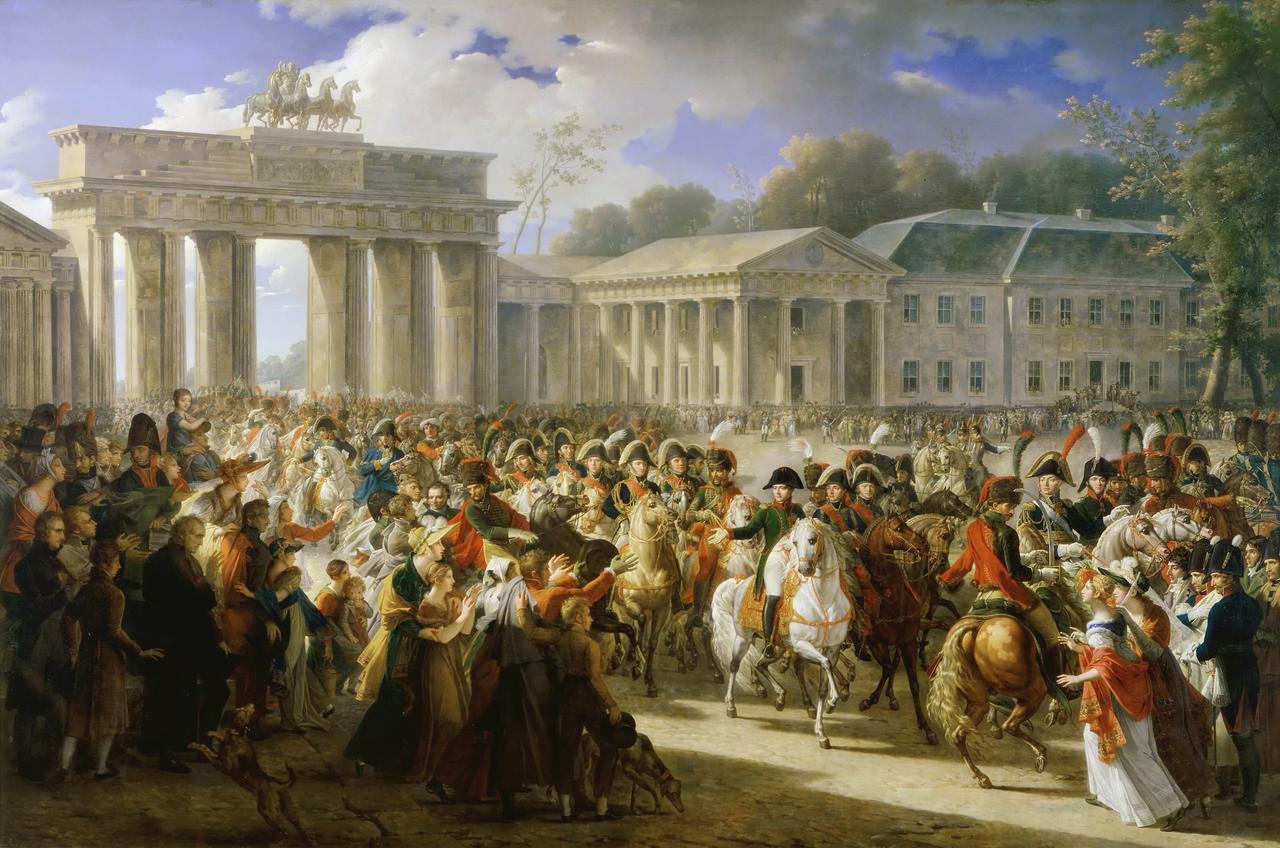
Perched on top is the Quadriga, a sculpture of the goddess Victoria riding a four-horse chariot, created by Johann Gottfried Schadow. In 1806, Napoleon Bonaparte conquered Berlin and literally shipped the Quadriga to Paris as a trophy. Eight years later, after his defeat, it came home, this time decorated with an iron cross and Prussian eagle as a declaration of pride.
World War II left the gate badly damaged, and then came the Berlin Wall in 1961, which sealed the gate inside a heavily guarded no-man's-land for nearly three decades. American presidents spoke here. Ronald Reagan stood before this gate in 1987 and demanded that Soviet leader Mikhail Gorbachev tear the wall down.
Two years later, he did. On November 9, 1989, the wall fell, and hundreds of thousands of people celebrated right where you are standing now.
Any feedback for this story?