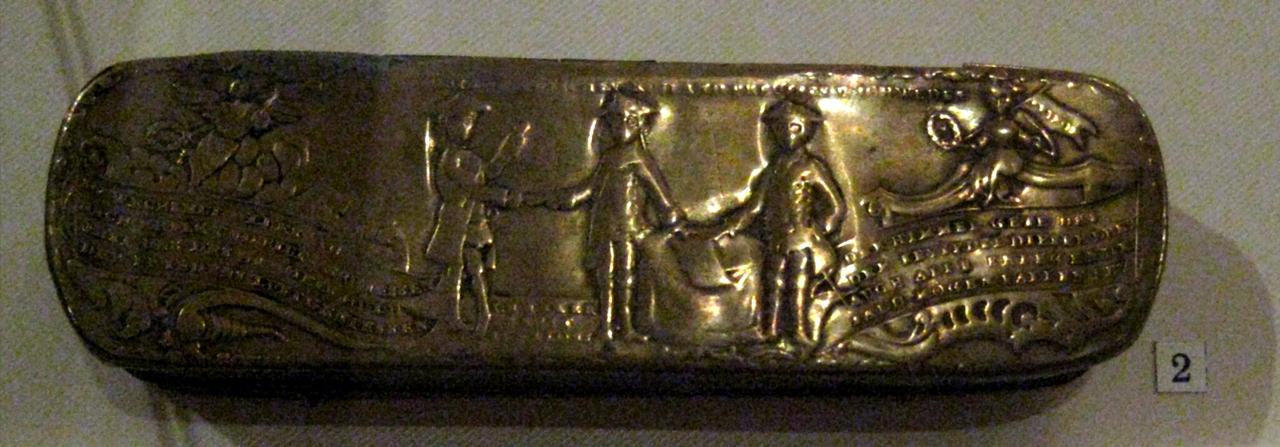
Brandenburg miracle – 1762
Berlin in the mid-eighteenth century was on the edge of disaster. In August 1759, during the Seven Years' War, Frederick II of Prussia suffered a crushing defeat at the Battle of Kunersdorf. Nearly 19,000 of his soldiers were lost, leaving him with only 18,000 troops. Fearful for his kingdom, he wrote to his brother, "I think everything is lost. Adieu pour jamais" — “Goodbye forever.” Despite these losses, Frederick managed to regroup. He gathered around 33,000 soldiers to defend Berlin, even though a much larger force of about 90,000 Russian and Austrian troops threatened the city.
But the enemy hesitated. Their supply lines were stretched, and the prospect of a long siege discouraged them. By September 1759, both armies withdrew, and Berlin was spared. Frederick later called this unexpected survival the "Miracle of the House of Brandenburg." A second turning point came in January 1762. Empress Elizabeth of Russia, a strong opponent of Prussia, died on January 5.
Her successor, Peter III, admired Frederick and immediately changed Russia’s approach. Russian troops left East Prussia and Pomerania, and by May 15, the Treaty of Saint Petersburg ended the war between Russia and Prussia.
Any feedback for this story?