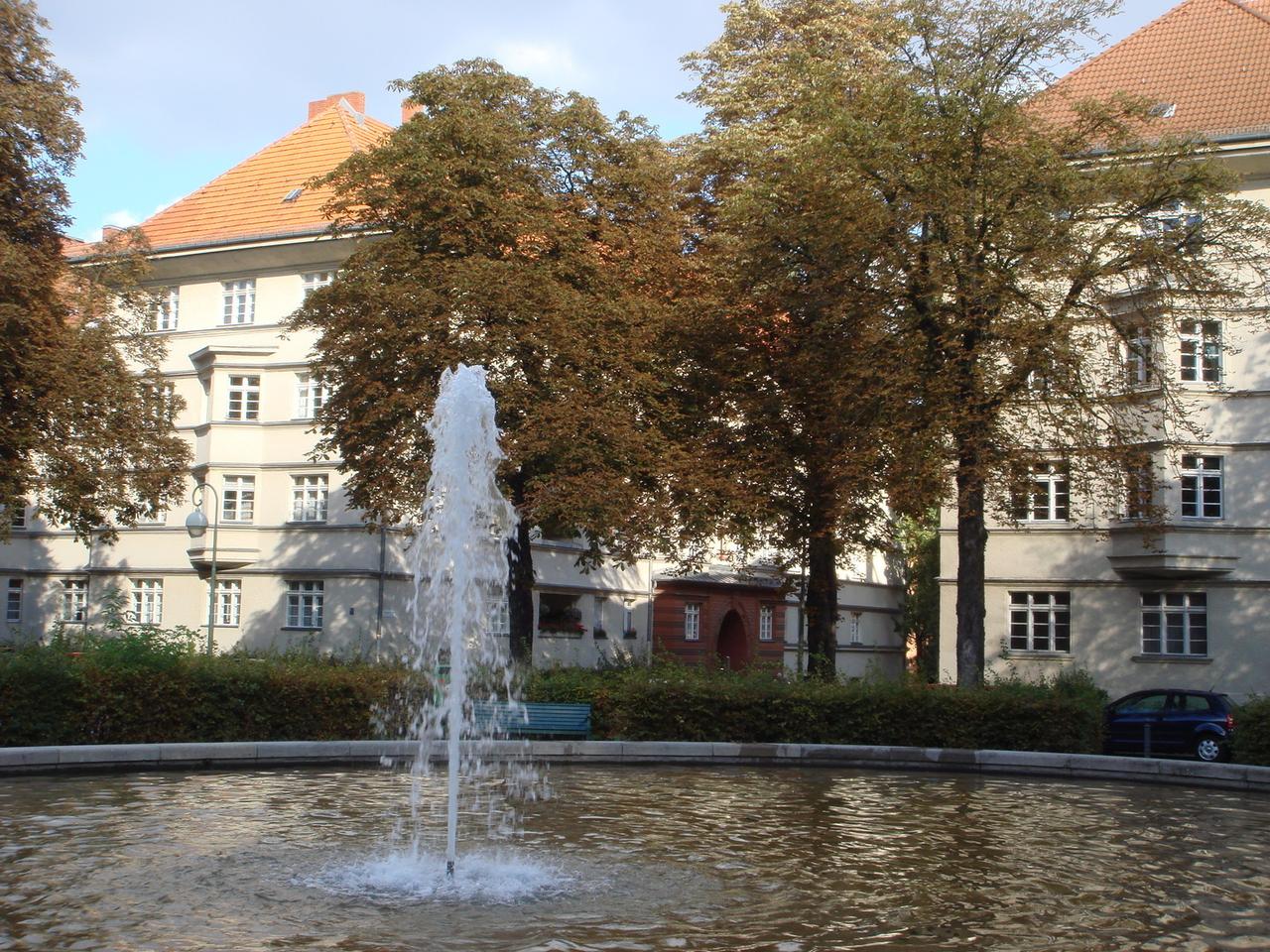
Cecilien Gardens
Nestled in Berlin’s Schöneberg district, the Ceciliengärten housing estate is a testament to early 20th-century urban planning and architectural ambition. Its roots date back to the late 19th century, when the idea of a green, community-focused neighborhood first emerged. After Schöneberg’s annexation by Berlin, construction took place between 1922 and 1927, transforming the district significantly. The initial phase involved various stakeholders, including a housing foundation for employees of Berlin’s transport company, signaling a deliberate effort to create a livable and aesthetically pleasing environment for the working class.
The estate was named after Crown Princess Cecilie of Prussia (1886–1954), wife of Crown Prince Wilhelm. Cecilie, a highly regarded public figure, also lent her name to Cecilienhof Palace in Potsdam, Cecilienkoog in North Friesland, and the four-masted barque Herzogin Cecilie. Architect and politician Heinrich Lassen was central to the project. A stone on the façade of Traegerstrasse 2 commemorates his contributions. Lassen focused on functionality and comfort, ensuring that by 1927 about 621 apartments were completed, each averaging 90 square meters – remarkably spacious for the era.
The greenery designed by landscape architect Albert Brodersen was an integral part of the neighborhood, providing tranquility amidst the cityscape. In 1977, the parks were designated protected monuments, and in 1995 the entire district was listed as a heritage site. Today, Ceciliengärten is a vibrant neighborhood that embodies the ideals of early 20th-century planning while highlighting the importance of preserving architectural heritage.
Any feedback for this story?