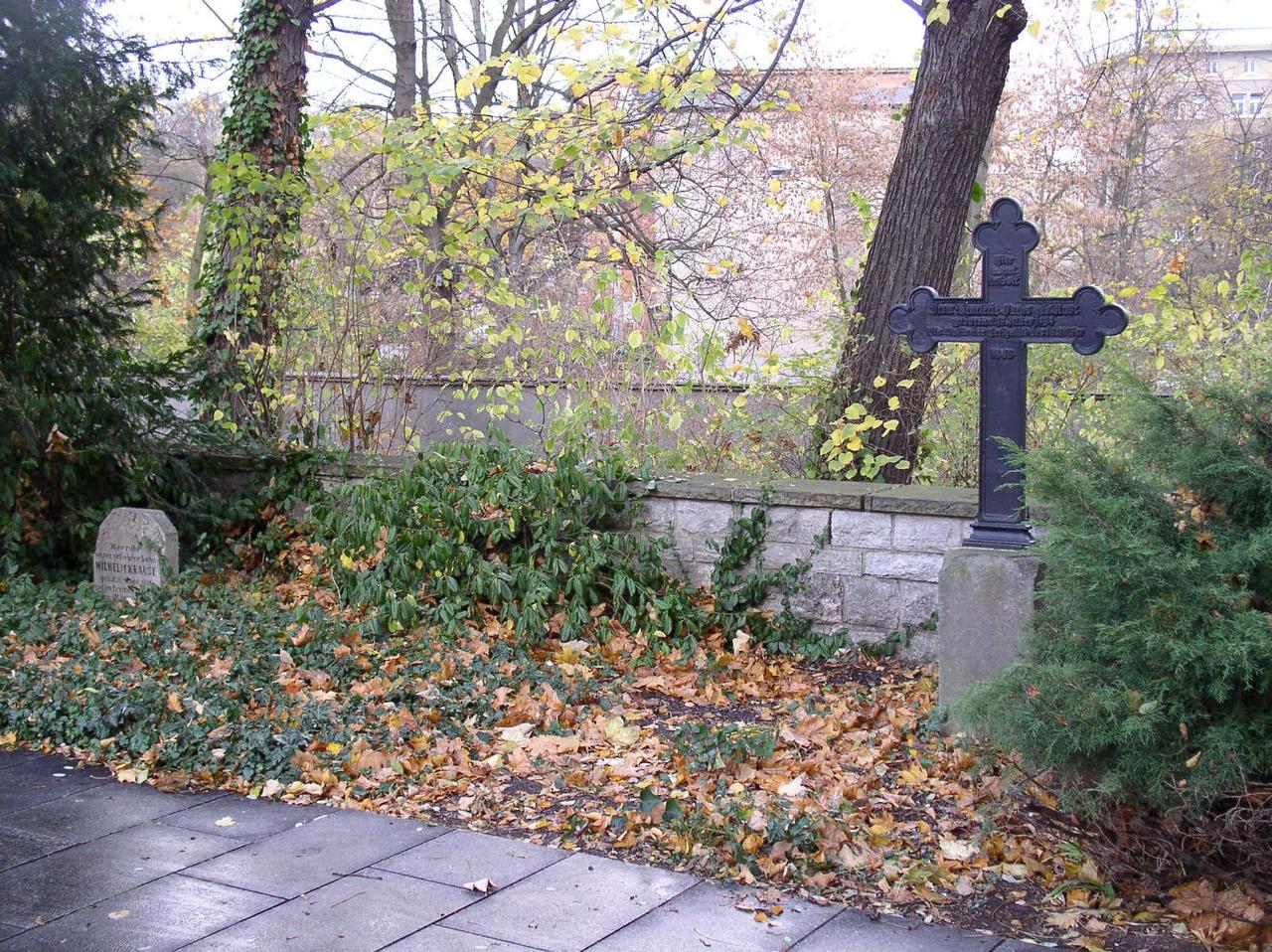
Cemetery of the March Fallen
The Friedhof der Märzgefallenen, or Cemetery of the March Fallen, in Berlin is a historic site that commemorates the victims of the March Revolution of 1848. This revolution began in France and quickly spread to other countries, including Germany. On March 15, 1848, unrest erupted in Berlin, leading to violent street battles and numerous casualties. The uprising was part of a broader wave of revolutionary movements across Europe that sought to end autocratic rule and achieve greater democratic governance.
King Frederick William IV of Prussia responded to the unrest by announcing constitutional changes and promising press freedom and reforms of the German Confederation. Despite these concessions, the situation in Berlin escalated, resulting in many deaths. Street fighting continued until the king ordered the military to withdraw from the city. The victims were honored in a memorial service at the Deutscher Dom on the Gendarmenmarkt, followed by a funeral procession to a cemetery on the southeast side of Friedrichshain Park, at Ernst-Zinnaweg.
This cemetery, the Friedhof der Märzgefallenen, was redesigned in 1925 by architect Ludwig Hoffmann. Today, it preserves eighteen original gravestones, a grave slab, three iron grave crosses, and two cast-iron grave monuments, keeping alive the memory of those who perished in the struggle for freedom and rights. In addition to the March Revolution victims, the cemetery also holds those who died during the November Revolution of 1918. Thus, the site stands as a poignant reminder of Berlin’s turbulent history and the ongoing fight for political and social change.
Any feedback for this story?