Charité
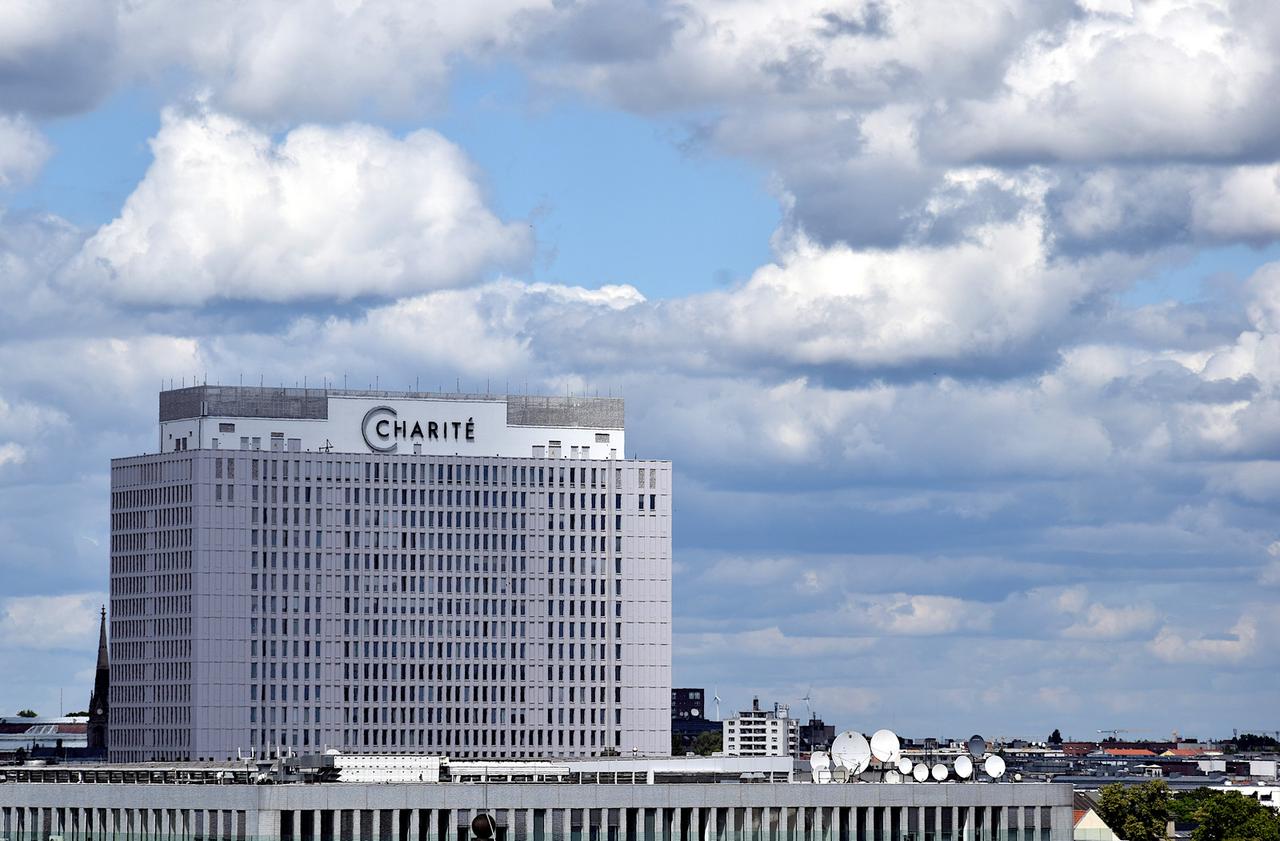
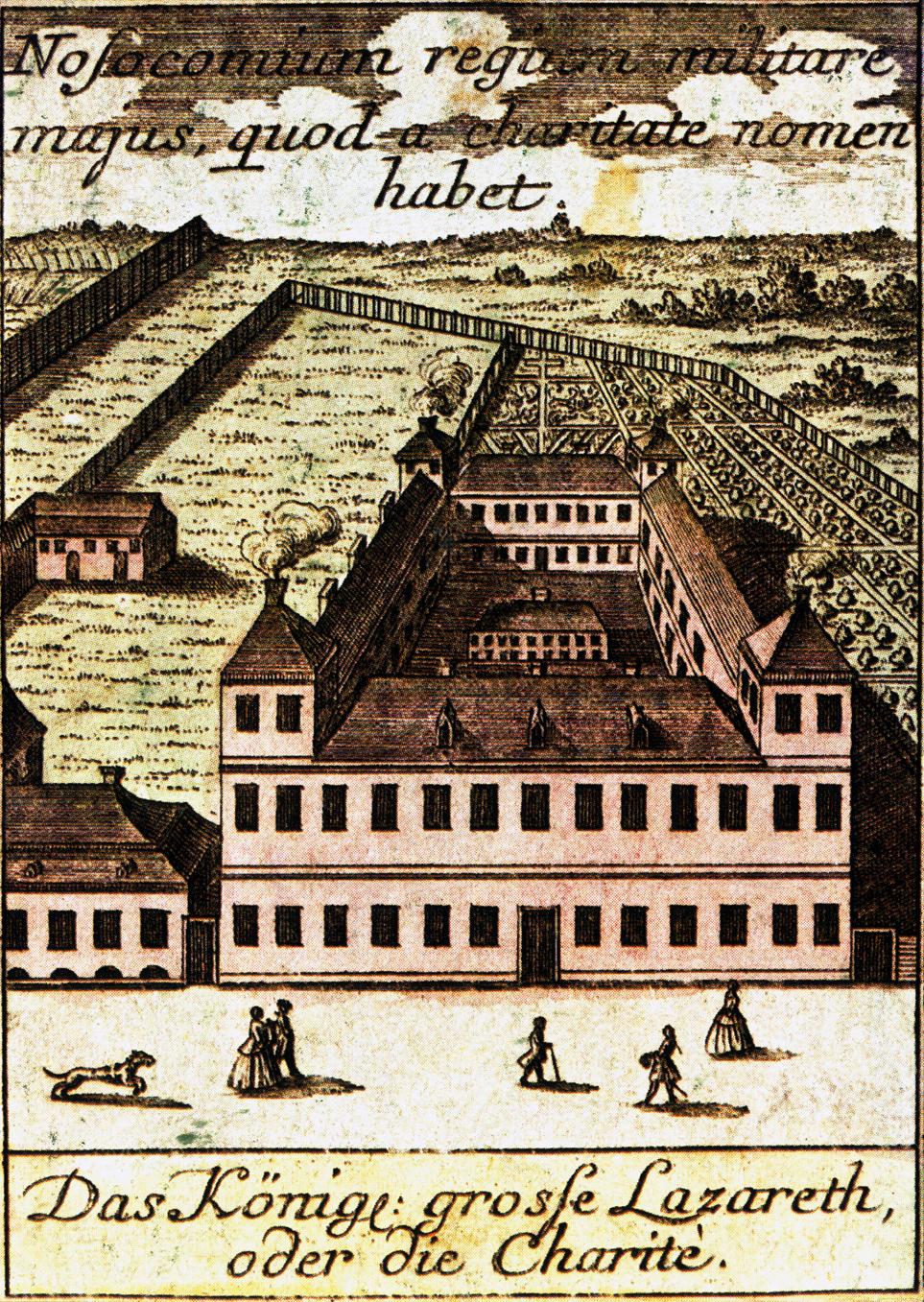
Charité, Berlin’s largest hospital, embodies a rich history and medical innovation. Founded in 1710 by Frederick I of Prussia during a plague outbreak, it began as a pesthouse to isolate the sick. As the plague subsided, Charité assumed new roles, sheltering beggars, unmarried pregnant women, and the elderly. In 1727, Frederick William I of Prussia renamed the institution Charité, marking its transformation from a pesthouse to a multifaceted hospital. In the 19th century, Charité became affiliated with the newly founded University of Berlin, creating a leading center for medical training and research.
This partnership attracted renowned scientists and produced eight Nobel Prize winners. However, Charité’s history also bears darker chapters. During World War II, physicians connected to the hospital were implicated in war crimes. Karl Gebhardt conducted horrific experiments on concentration camp prisoners and was executed after the Nuremberg Doctors’ Trial.
After the war, Charité was located in East Berlin and continued under communist rule. Following the fall of the Wall and Germany’s reunification, Charité became the largest university hospital in Europe. Today, Charité stands as a symbol of resilience and progress—an institution at the forefront of research and education, while also reflecting on its complex past.
Any feedback for this story?