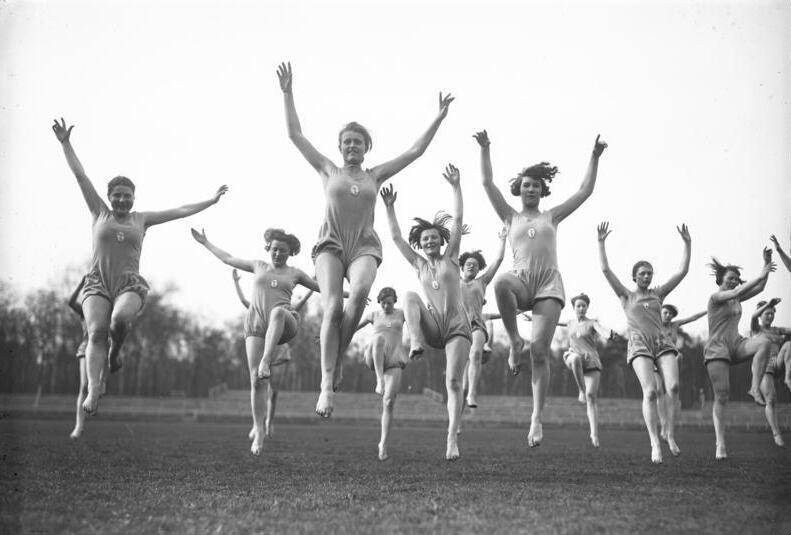
Cultural boom – 1920s
In the years after the First World War, Berlin transformed into one of the most exciting cultural capitals in the world. By the 1920s, the city had become a magnet for artists, writers, filmmakers, and free thinkers, all drawn to its open atmosphere and restless energy. This was the era of the Bauhaus movement, founded by Walter Gropius in 1919. Though it began in Weimar, its ideas quickly spread to Berlin, reshaping architecture and design with clean lines, modern materials, and a belief that art and industry could work together.
Everyday objects, buildings, and even furniture began to reflect this new vision of modern living. Literature and cinema also flourished. Alfred Döblin’s novel Berlin Alexanderplatz captured the grit and rhythm of city life, while filmmakers like Fritz Lang brought German Expressionism to the screen with works such as Metropolis (1927). These films blended striking visual style with futuristic and social themes, influencing cinema far beyond Germany’s borders. In painting and illustration, the New Objectivity movement offered a sharp, realistic look at life in the Weimar Republic.
Artists like George Grosz and Jeanne Mammen depicted crowded streets, nightlife, and the everyday struggles of ordinary people. Mammen’s work stood out for its vivid portrayals of women, particularly within Berlin’s queer communities. Nightlife was another defining feature of the decade. Places like the famous Moka Efti were more than just clubs—they were sprawling entertainment hubs with cabaret stages, dance floors, and stylish interiors. Visitors could experience music, fashion, and conversation deep into the night.
By the end of the decade, Alexanderplatz glowed with neon signs, busy trams, and the buzz of a city embracing modernity. This “Golden Twenties” period was short-lived, ending with the 1929 economic crash, but its legacy remains a vivid chapter in Berlin’s history—an era when creativity and change seemed to touch every corner of the city.
Any feedback for this story?