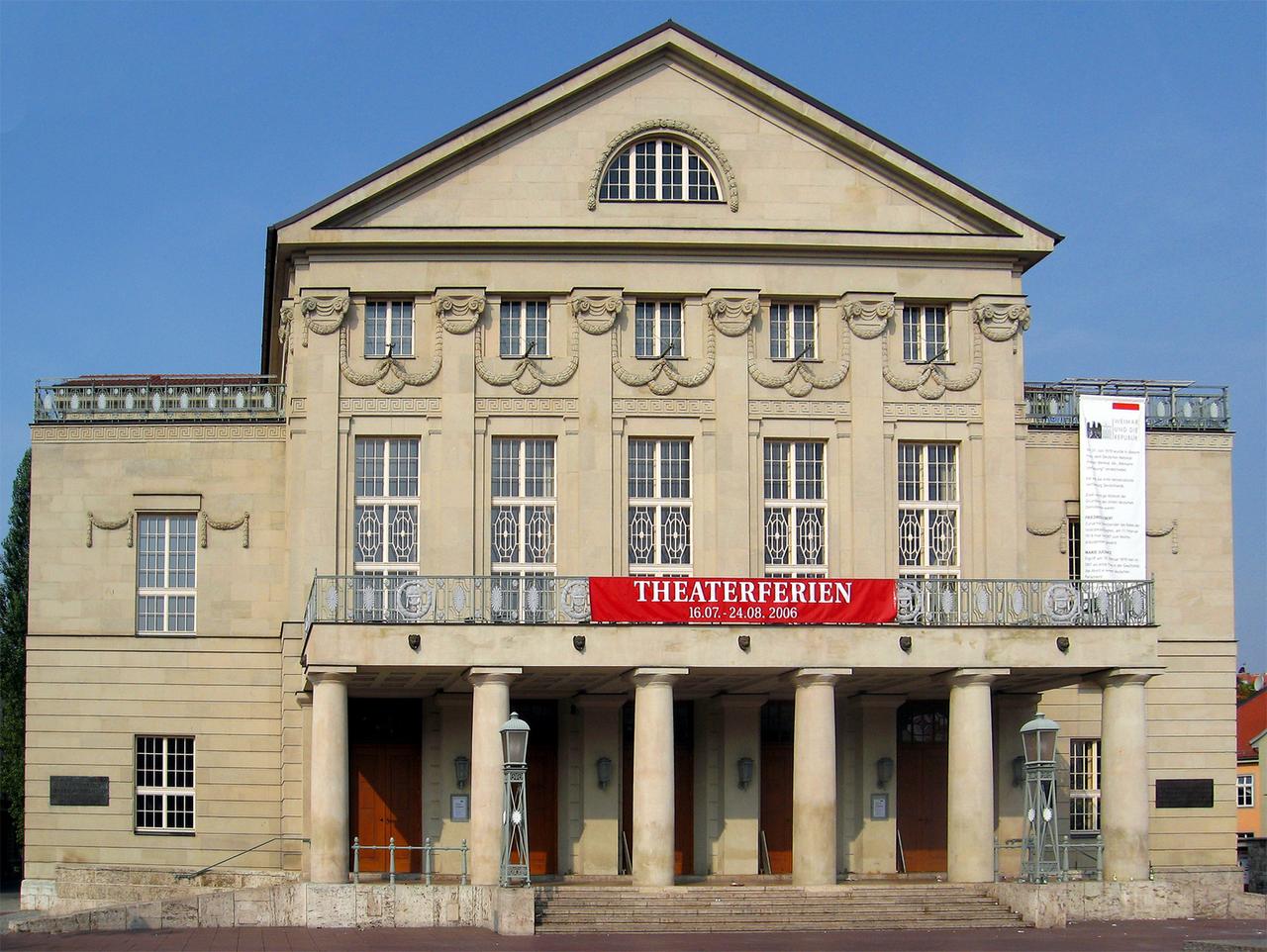
Deutsches Theater
On Schumannstrasse in Berlin stands the Deutsches Theater, a cornerstone of the city’s cultural landscape. Founded in 1883 by Adolf L’Arronge, it was initially named Friedrich-Wilhelm-Städtisches Theater after its conservative patron, Emperor Wilhelm II. Architect Eduard Titz designed the building, commissioned by entrepreneur Friedrich Wilhelm Deichmann.
The theater gained fame under Otto Brahm, who introduced controversial plays by Gerhart Hauptmann. In 1905, pioneering director Max Reinhardt took the helm, modernizing the theater with innovative lighting and stage techniques, ushering in a golden era. Under the Nazi regime, the theater faced censorship and was closed in 1944.
After World War II, it reopened and during the GDR period housed an ensemble named after Bertolt Brecht, continuing its legacy of artistic excellence. Today, the Deutsches Theater remains a symbol of Berlin’s rich theatrical history and resilience, constantly adapting and thriving through changing times.
Any feedback for this story?