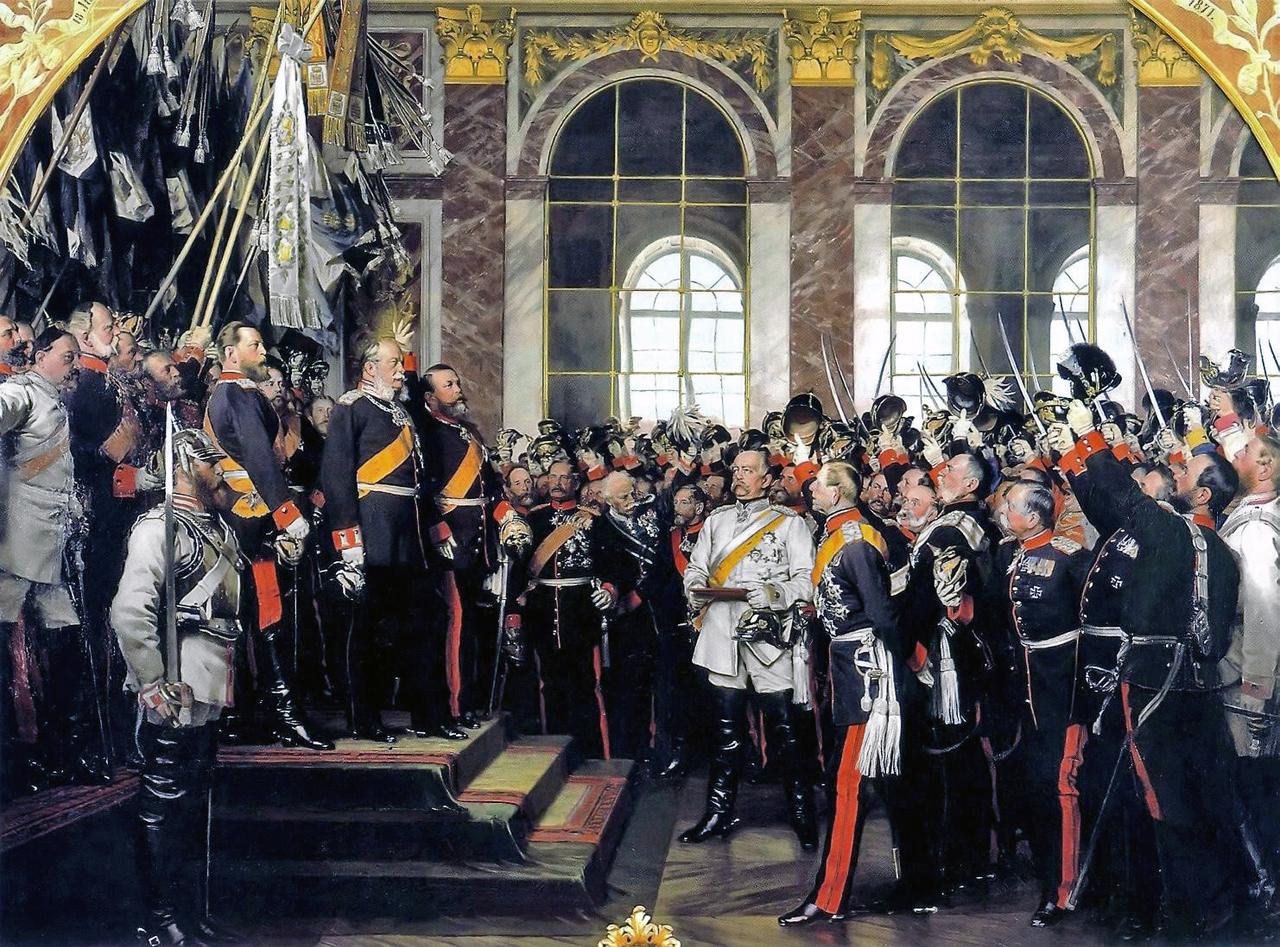
Emperor Wilhelm I
In 19th-century Europe, one man shaped the course of an empire: Kaiser Wilhelm I. Born on March 22, 1797, in Berlin as Wilhelm Friedrich Ludwig of Prussia, he played a decisive role in the unification of Germany, becoming the first Emperor of the German Empire in 1871. His path to emperorship was not straightforward. Initially reluctant to take the throne, he became King of Prussia in 1861 after the death of his older brother, Frederick William IV.
His reign was marked by sweeping military reforms, driven largely by Otto von Bismarck, the master of realpolitik, who orchestrated the wars that united the German states under Prussian rule. The Franco-Prussian War of 1870-1871 proved decisive. Following a swift victory, the German Empire was proclaimed on January 18, 1871, in the Hall of Mirrors at Versailles, with Wilhelm I as emperor. His rule was conservative, supporting anti-socialist laws and the Kulturkampf against the Catholic Church.
Yet he was viewed as a fatherly figure who brought stability. Under his reign, Germany rapidly industrialized, expanding railways, steel, and its navy. Despite surviving three assassination attempts, his popularity endured. Wilhelm I died on March 9, 1888, at the age of 90. His death marked the end of an era, but his legacy lived on. He was succeeded by his son, Friedrich III, and later his grandson Wilhelm II, who led Germany into the 20th century.
Any feedback for this story?