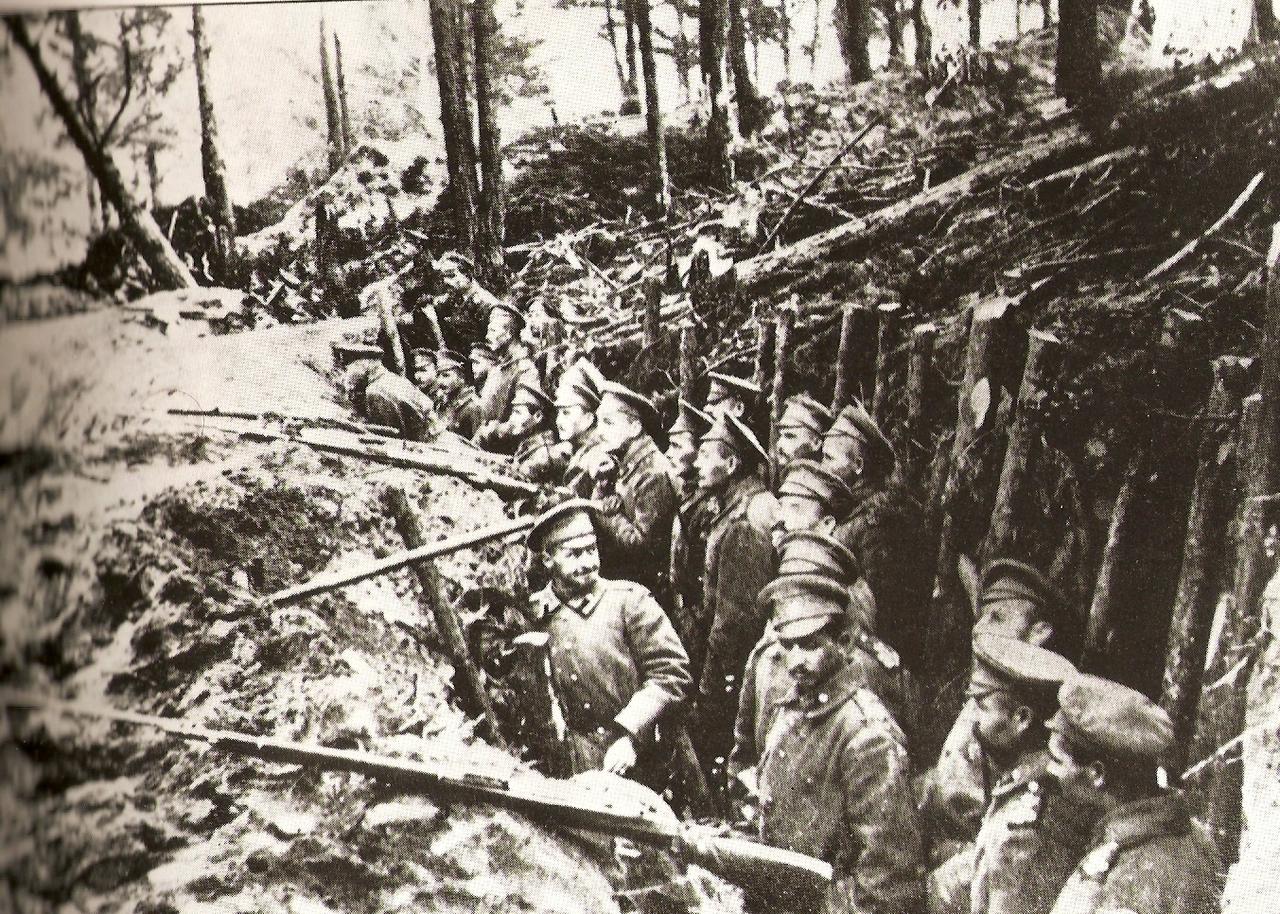
First World War – 1914–1918
Berlin in 1914 was alive with energy and national pride, as news of the First World War swept through the city. Crowds gathered along Unter den Linden and at public squares, waving flags and cheering for a swift victory. Many believed the conflict would be short, yet the reality that awaited Germany would be far harsher than anyone expected. The war soon changed daily life in Berlin. The British naval blockade made food scarce, forcing citizens to adapt to severe shortages.
The winter of 1916–1917, later called the “Turnip Winter,” left many Berliners surviving on turnips and other limited rations. Families coped with hunger, long queues, and the constant worry about the future, showing resilience under difficult circumstances. Economic and social pressures grew as the war continued.
Workers began organizing strikes and protests in 1916, demanding better conditions and calling for the conflict to end. Although authorities tried to suppress these demonstrations, the unrest reflected growing discontent across the working class and highlighted the strain on the home front.
Berlin also became a center of political change. As German forces suffered defeats on multiple fronts, the population’s patience wore thin. By late 1918, revolutionary activity surged in the city. Mass protests and uprisings forced Kaiser Wilhelm II to abdicate in November 1918, ending the German Empire and paving the way for the Weimar Republic. Remnants of this era remain visible in Berlin today.
The Kaiser Wilhelm Memorial Church, damaged during later conflicts, serves as a reminder of both the city’s trials and its resilience. Historical records, memorials, and sites scattered across Berlin provide insight into how the First World War reshaped urban life, society, and politics in the German capital.
Any feedback for this story?