German reunification
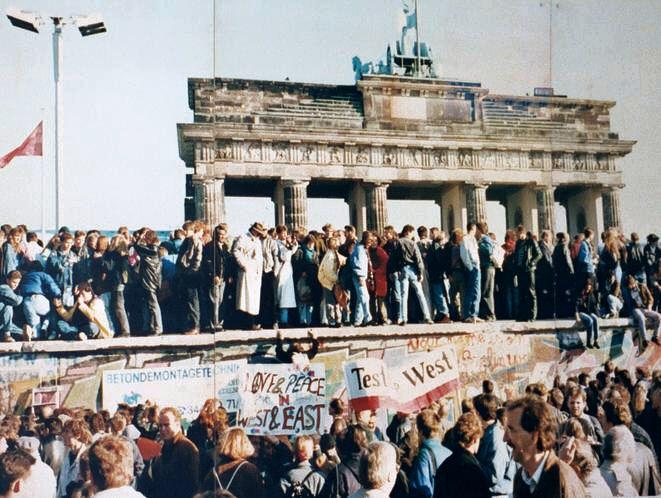
The fall of the Berlin Wall was preceded by events that revealed weakening control by the East German government and rising unrest among the population. In 1989, thousands of East Germans fled West through Hungary after it opened its border with Austria. Protests erupted in cities such as Leipzig, where the Monday demonstrations saw thousands demanding freedom and reform. Under pressure, the authorities allowed travel to the West, leading to a rush at border crossings and the fall of the Wall.
Soon after, on November 28, 1989, Chancellor Helmut Kohl presented his Ten-Point Plan to the Bundestag, outlining a gradual path to reunification. The plan included humanitarian aid, cooperation between East and West, and eventually a federation. While some European leaders and the Soviet Union feared a united Germany might disrupt the balance of power, Kohl reassured them by stressing Germany’s commitment to the European Community and NATO. In 1990, intense diplomatic negotiations followed.
On September 12, 1990, the Two Plus Four Agreement was signed by the two German states and the four Allied powers, settling borders, military issues, and the withdrawal of Soviet troops. On October 3, 1990, Germany was officially reunified. This historic moment was celebrated nationwide, marking the end of division. Reunification was not only a milestone in German history but also a catalyst for European integration.
Any feedback for this story?