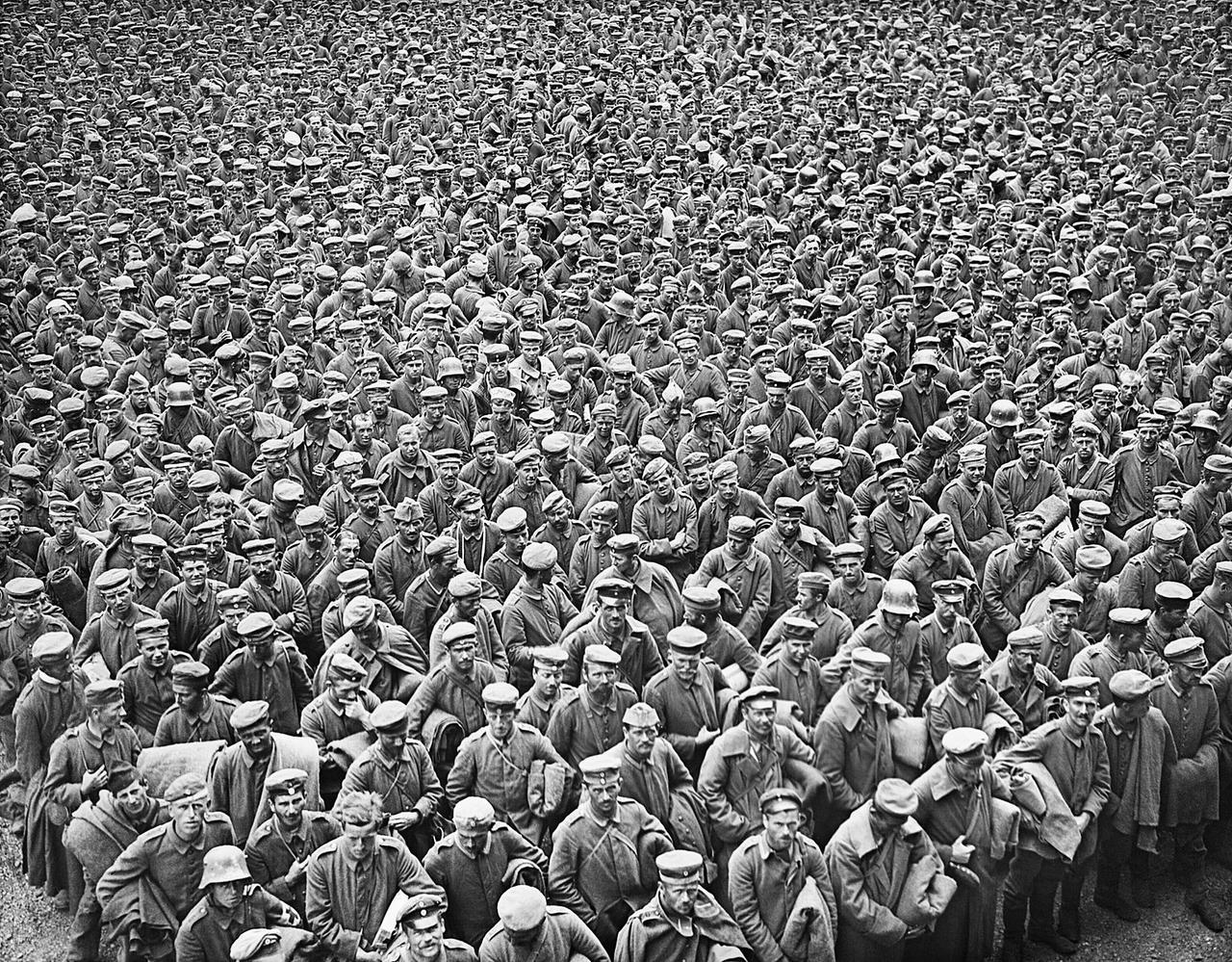
Germany loses WWI – 1918
It's hard to imagine the upheaval that swept through these streets in 1918, as Berlin became the center of Germany's profound political transformation. The city witnessed the end of the German Empire and the birth of the Weimar Republic, events that reshaped the nation’s future. In the final months of World War I, Germany faced severe military setbacks. The Allies launched the Hundred Days Offensive beginning on 8 August 1918, pushing back German forces and causing widespread demoralization among soldiers.
By October, desertions and mutinies were common, signaling that the army was near collapse. The situation escalated with the Kiel mutiny in early November, where sailors refused orders for a final attack against the British fleet. This act of defiance spread quickly, inspiring protests and uprisings in cities across Germany, including Hamburg, Munich, and notably Berlin.
On 9 November, workers' and soldiers' councils took control of key parts of the city, forcing Kaiser Wilhelm II to abdicate after more than four centuries of Hohenzollern rule. On the same day, Philipp Scheidemann proclaimed a German Republic from the Reichstag balcony, while Karl Liebknecht announced a socialist republic from Wilhelmstrasse. This dual declaration marked the beginning of the German Revolution, a struggle between moderate socialists and radical leftists over the country’s political direction. The revolution’s early stages were relatively calm, but tensions grew in December 1918 when disputes over sailors’ pay led to violent clashes.
By January 1919, the Spartacist uprising, led by Rosa Luxemburg and Karl Liebknecht, attempted to establish a council republic in Berlin but was suppressed by government forces, and both leaders were killed. The Berlin March Battles in March 1919, known as Bloody Week, represented the revolution’s climax. Workers on general strike demanded more radical reforms, leading to fierce fighting between revolutionary groups and government-loyal Freikorps.
Around 3,000 people, many civilians, were killed. By August 1919, the Weimar Constitution formally established the Weimar Republic, but the social and political divisions left by the revolution remained deep, shaping the challenges Germany would face in the decades to come.
Any feedback for this story?