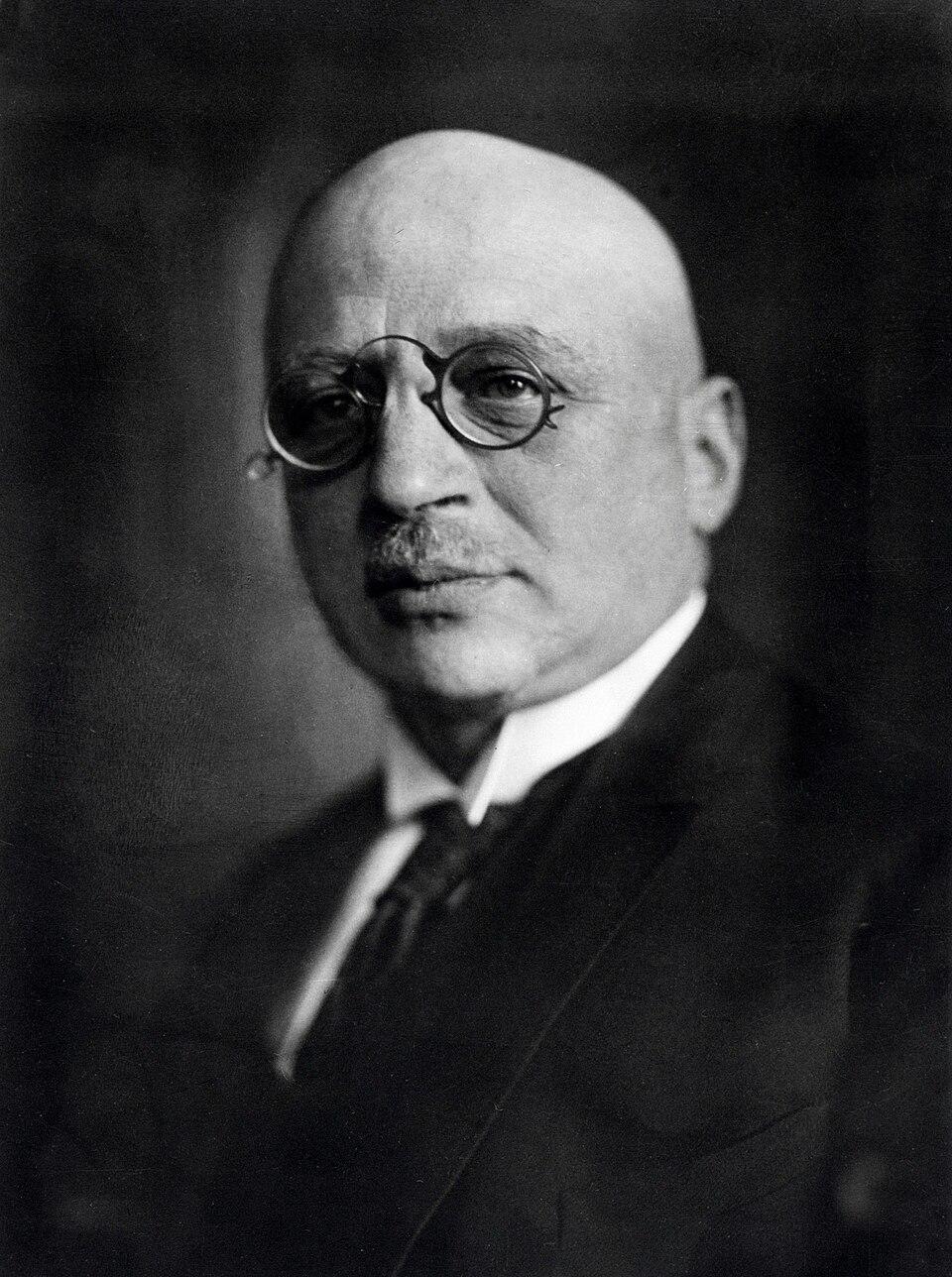
Haber Nobel Prize – 1918
In 1918, a major scientific achievement in Berlin changed the course of agriculture worldwide. Fritz Haber was awarded the Nobel Prize in Chemistry for developing the Haber-Bosch process, a method to synthesize ammonia from nitrogen and hydrogen. This breakthrough allowed large-scale production of fertilizers, helping to dramatically increase food production and supporting nearly half of the global population.
Haber’s contribution was recognized by the Nobel Committee for providing "an exceedingly important means of improving the standards of agriculture and the well-being of mankind." However, the 1918 prize was delayed due to the committee's concerns that no candidate fully met Alfred Nobel's original criteria. It was ultimately awarded to Haber in 1919. Born in 1868 in Breslau (now Wrocław, Poland), Haber was a German-Jewish chemist who studied at the Universities of Heidelberg and Berlin.
He earned his doctorate in 1891 while working under Karl Liebermann at the Technische Hochschule in Charlottenburg. His early career included industrial research and postdoctoral work in Zurich and Jena, experiences that shaped his innovative approach to chemistry. Despite his scientific success, Haber’s legacy is complex. During World War I, he played a central role in developing chemical weapons, including chlorine gas used at the Second Battle of Ypres in 1915.
This work earned him the controversial title of "father of chemical warfare" and has sparked ethical debates about his contributions. Today, the Fritz Haber Institute in Berlin-Dahlem honors his achievements in science while continuing research in physical chemistry and electrochemistry. The institute reflects the dual nature of his legacy: groundbreaking innovations that have transformed society, coupled with the moral questions surrounding some of his wartime work.
Any feedback for this story?