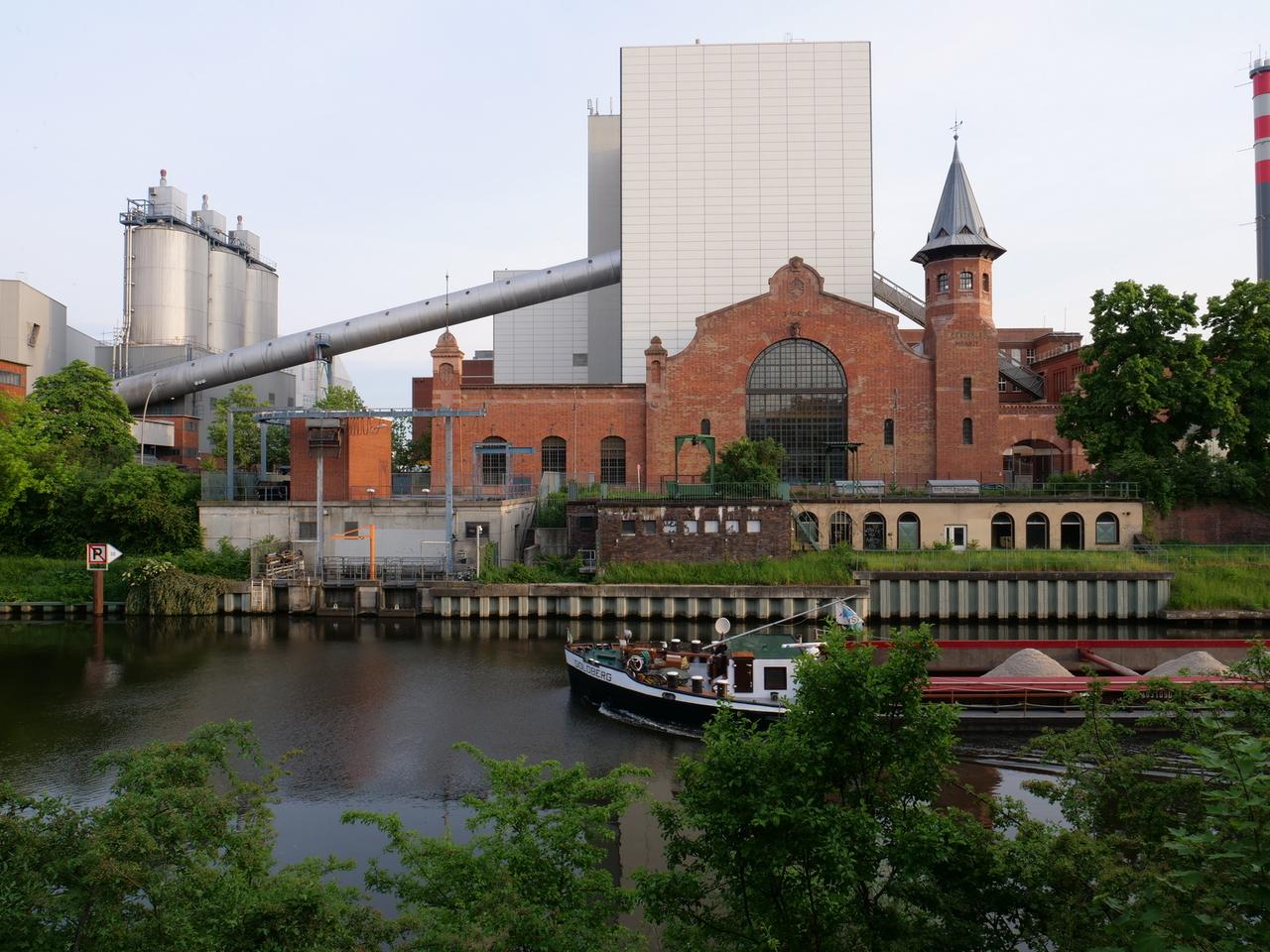
Kraftwerk Moabit
Take a look at the old red brick building by the Spree River, and you’re seeing more than just a relic — this is the Moabit Power Station, once one of Berlin’s most important energy hubs. Built between 1906 and 1909, it was not only a powerhouse for the city but also a pioneer in integrating industrial architecture with the urban landscape. What many don’t know is that Moabit was among the first power stations in Berlin to use a combined heat and power system.
This meant that alongside producing electricity, the station’s waste heat was cleverly reused to warm nearby homes and businesses an early example of energy efficiency long before modern sustainability became a concern. The station was fueled mainly by coal brought in by barges on the Spree, linking the waterway directly to the city’s growing industrial network. Inside, huge turbines and boilers worked around the clock, powering trams, factories, and streetlights across Berlin. World War II brought heavy damage to Moabit, interrupting its operations.
But after the war, it was carefully repaired and updated to keep Berlin running through the Cold War era. Despite technological advances, the station remained largely unchanged in design, making it a snapshot of early 20th-century engineering. By the 1980s, the power station’s role diminished as newer plants took over. Yet, the building stands today as a powerful reminder of Berlin’s rapid growth and industrial ambition.
Any feedback for this story?