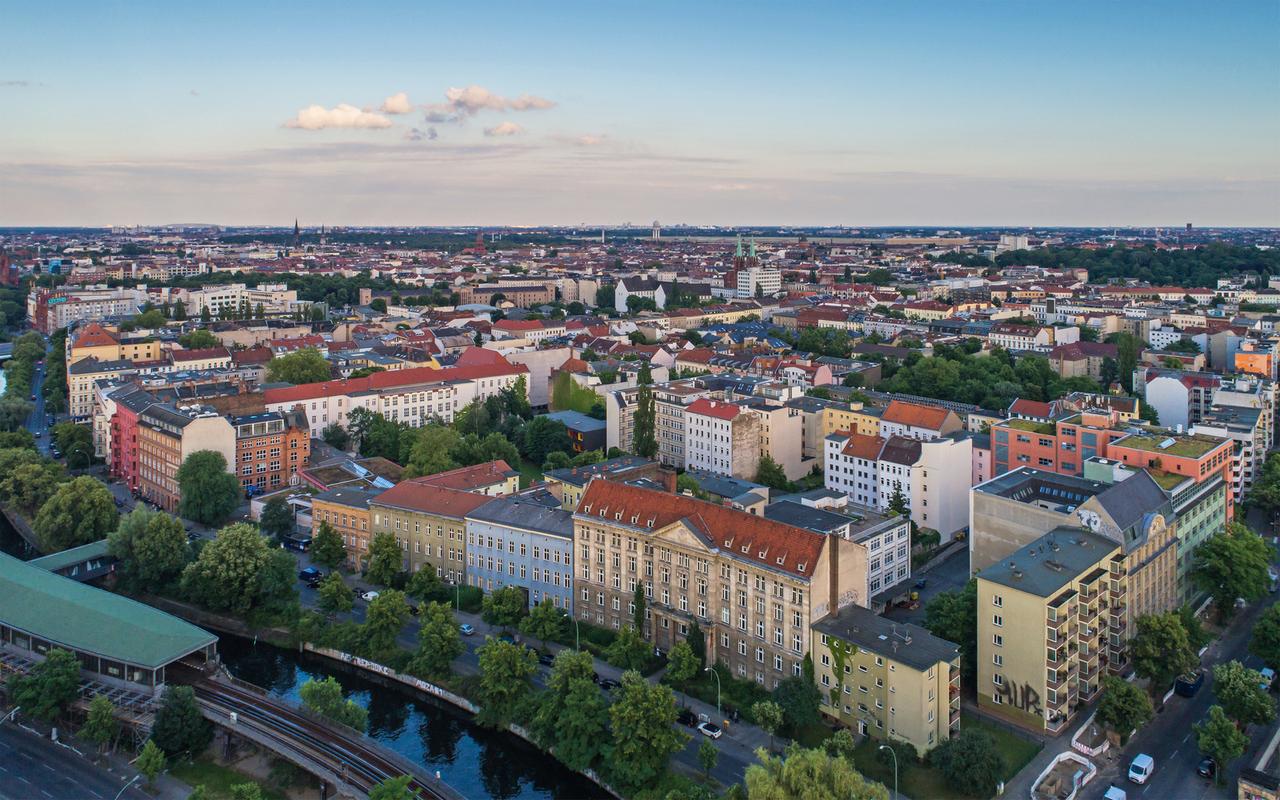
Kreuzberg
Step into Kreuzberg, and you find yourself in a neighborhood where Berlin’s layered history quietly reveals itself in every street corner and building. While many know Kreuzberg as a vibrant cultural hotspot, fewer realize it was once a refuge for the city’s displaced and marginalized during the Cold War era. Located just west of the Berlin Wall, Kreuzberg was cut off from the city center for decades. This isolation led to severe economic decline, but also created space for communities that mainstream society often overlooked.
By the 1970s, it became home to one of Europe’s largest Turkish immigrant populations, who brought new life and traditions to the area. This influx shaped Kreuzberg’s identity in ways still visible today—from lively markets to authentic street food. An often-overlooked fact is that Kreuzberg was also a center of early environmental activism. In the late 1970s, local residents protested the construction of a highway through the neighborhood’s parks. Their efforts successfully preserved large green spaces like the Viktoriapark, which remains a peaceful retreat in the city.
Kreuzberg’s reputation as a haven for artists and squatters emerged from its affordable housing and vacant buildings. This attracted a diverse mix of people who challenged social norms and cultivated a spirit of resistance. In fact, the SO36 district’s punk scene was pivotal in shaping Berlin’s alternative culture, influencing music, politics, and art far beyond the neighborhood. After reunification, Kreuzberg faced gentrification pressures, yet it still holds onto its multicultural roots and rebellious spirit. Exploring its streets today, you’ll find traces of its past resilience alongside ongoing debates about community and change.
Any feedback for this story?