Kristallnacht
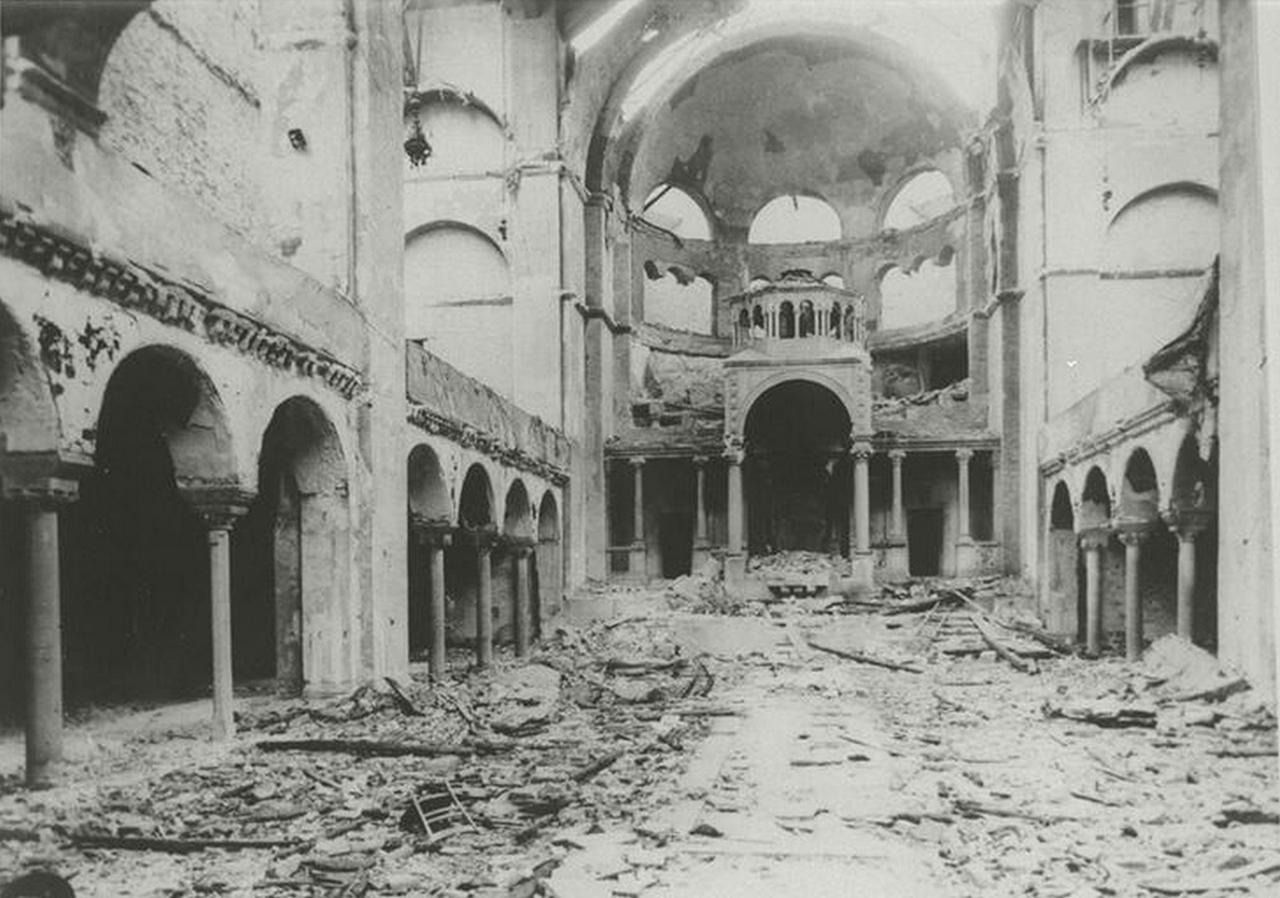
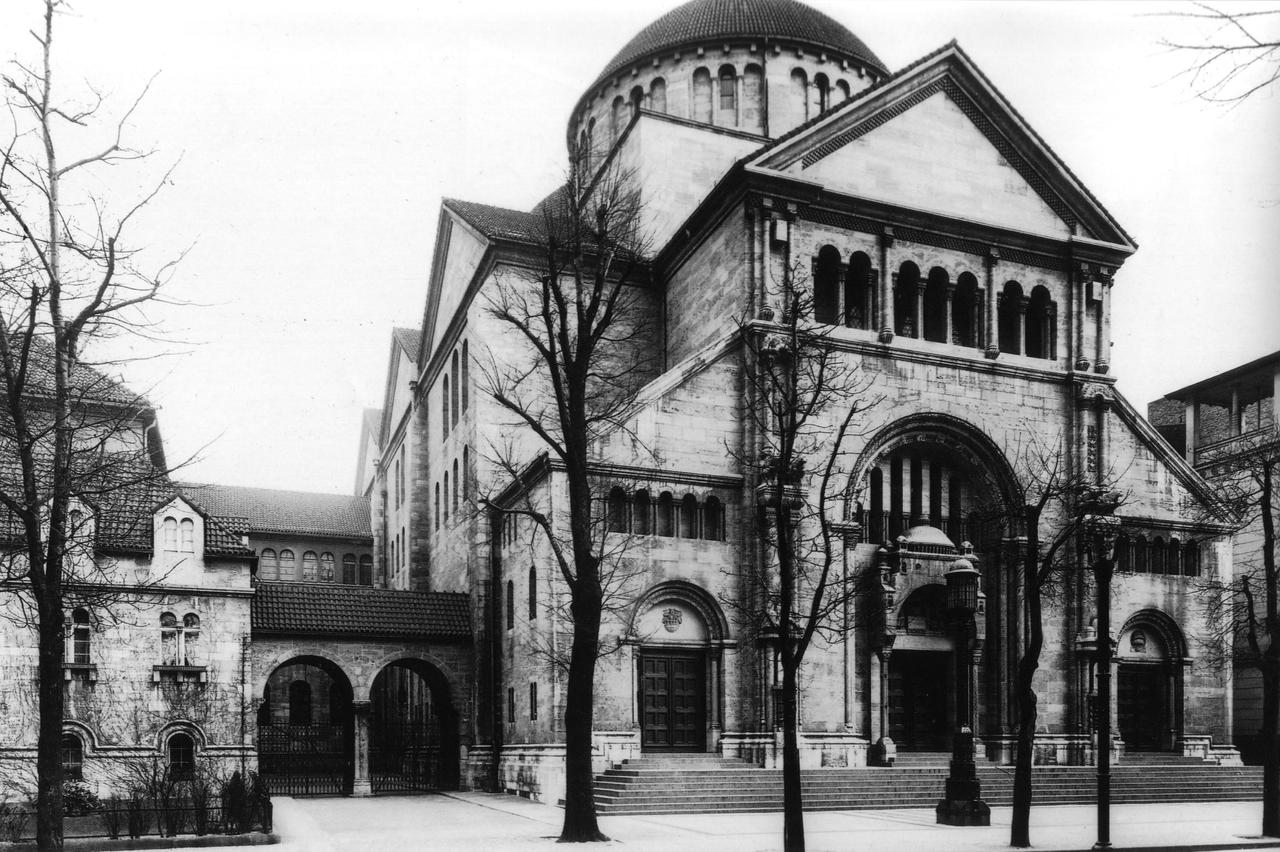
You are standing on the site where the Fasanenstraße synagogue once stood — at the time, Berlin’s largest Jewish house of worship. On the night of November 9, 1938, the building became a target of Kristallnacht. Earlier that evening, Joseph Goebbels had called for “retaliation” following the assassination of diplomat Ernst vom Rath.
SA stormtroopers entered the synagogue, smashed its windows, desecrated sacred objects, and set the building ablaze. The trigger was vom Rath’s killing in Paris by young Herschel Grynszpan, protesting the deportation of his parents. This was not an outburst of spontaneous anger, but a coordinated campaign.
In Berlin and beyond, shops, homes, and hundreds of synagogues were destroyed. The term “Kristallnacht” refers to the shards of broken glass that littered the streets. By the next morning, all that remained here was rubble and ash. Around 30,000 Jewish men were arrested. For many, that night marked the beginning of state-orchestrated persecution that would culminate in the Holocaust.
Any feedback for this story?