Kurfürstendamm
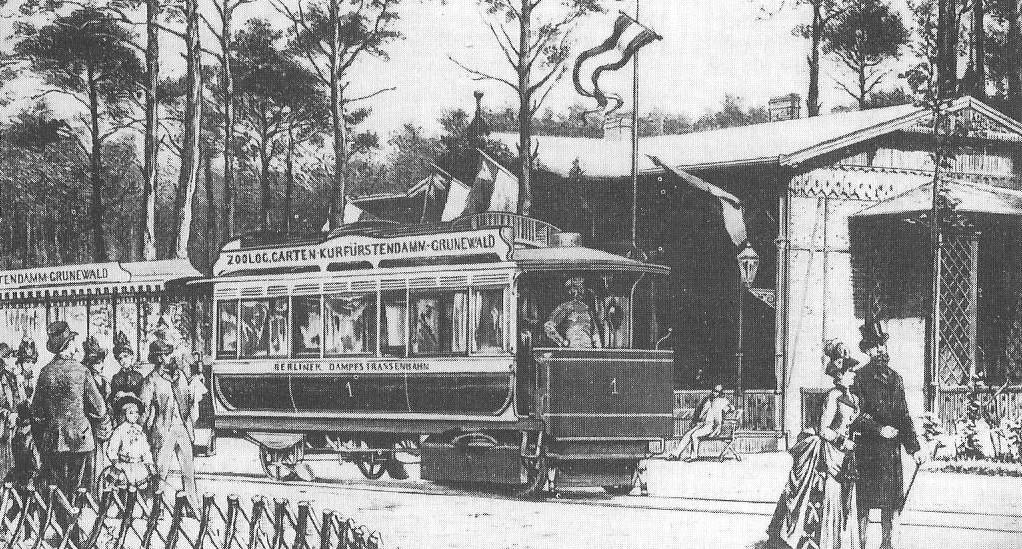
This street, Kurfürstendamm, was designed in the late 16th century as a wide bridle path for the Electors of Brandenburg to ride from the city to their hunting grounds in the Grunewald forest. Its name literally means “Elector’s Causeway,” reflecting this original royal purpose. What many don’t know is that Kurfürstendamm was one of the first streets in Berlin to be artificially lit with gas lamps in the 19th century, making it a pioneer of modern urban nightlife.
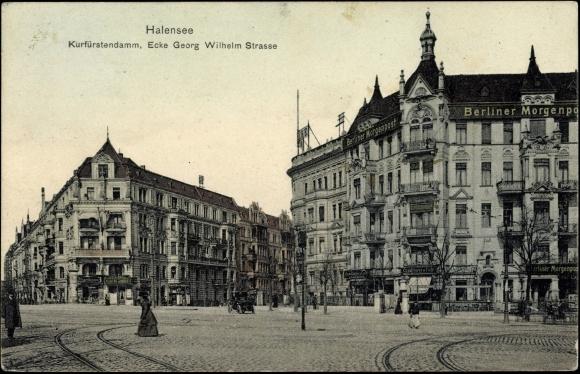
This early lighting helped turn the area into a safe and lively place for evening strolls and social gatherings. In the late 1800s, the street transformed dramatically from a simple path into a grand boulevard inspired by Parisian avenues. Tree-lined and spacious, it quickly became the address for luxury shops, cafés, and theaters, drawing Berlin’s rising middle class as well as artists and intellectuals. During the Weimar Republic, Kurfürstendamm became a cultural hotspot, with jazz clubs and cabarets where new music and political ideas flourished.
Less known is that some of Berlin’s early film premieres happened here, marking the boulevard as a key player in the city’s entertainment history. World War II caused severe damage to Kurfürstendamm, but it was quickly rebuilt after the war, symbolizing West Berlin’s recovery. During the Cold War, it stood near the Berlin Wall and served as a vibrant meeting point, contrasting the divided city’s tensions.
Any feedback for this story?