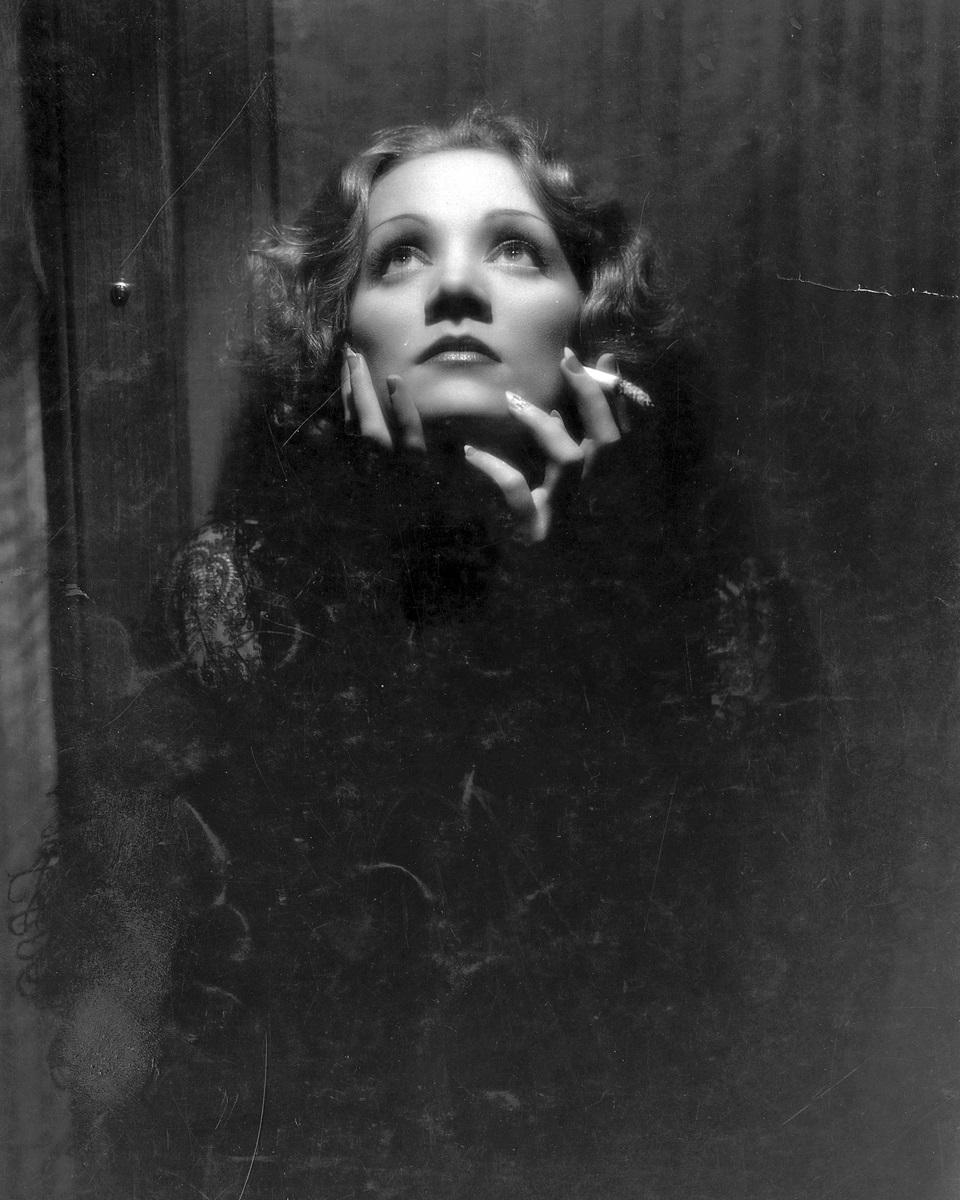
Marlene Dietrich breakthrough – 1930s
Marlene Dietrich’s early career in Berlin intersected with one of the city’s most significant theatrical events: the premiere of Die Dreigroschenoper (The Threepenny Opera) on August 31, 1928. This production, staged at the Theater am Schiffbauerdamm, was a collaboration between composer Kurt Weill and playwright Bertolt Brecht. It marked a pivotal moment in the Weimar Republic’s cultural landscape, blending sharp social commentary with innovative music.
The opera’s satirical take on capitalist society resonated with audiences, and songs like “Die Moritat von Mackie Messer” (“Mack the Knife”) became instant hits. While Dietrich did not perform in the original production, she was part of Berlin’s vibrant cabaret scene during this period. Her performances in various venues contributed to the city’s reputation as a hub of artistic experimentation. Dietrich’s involvement in the entertainment industry during this time reflects the dynamic cultural environment that gave rise to groundbreaking works like The Threepenny Opera.
The premiere was attended by notable figures of the time, including Berlin’s intellectual and artistic elite. The production’s success was not immediate; it gained popularity through word of mouth and critical acclaim, eventually becoming a staple of German theater. Its influence extended beyond the stage, impacting music, film, and political discourse in the years that followed. In the years after the premiere, Dietrich’s career continued to evolve. She transitioned from stage performances in Berlin to international film roles, achieving fame in Hollywood.
Despite her global success, she maintained connections to her Berlin roots, occasionally returning to perform and engage with the city’s artistic community. The legacy of The Threepenny Opera endures, with its themes and music remaining relevant in contemporary discussions of social and political issues. Similarly, Dietrich’s contributions to the arts continue to be celebrated, highlighting the lasting impact of Berlin’s cultural scene in the early twentieth century.
Any feedback for this story?