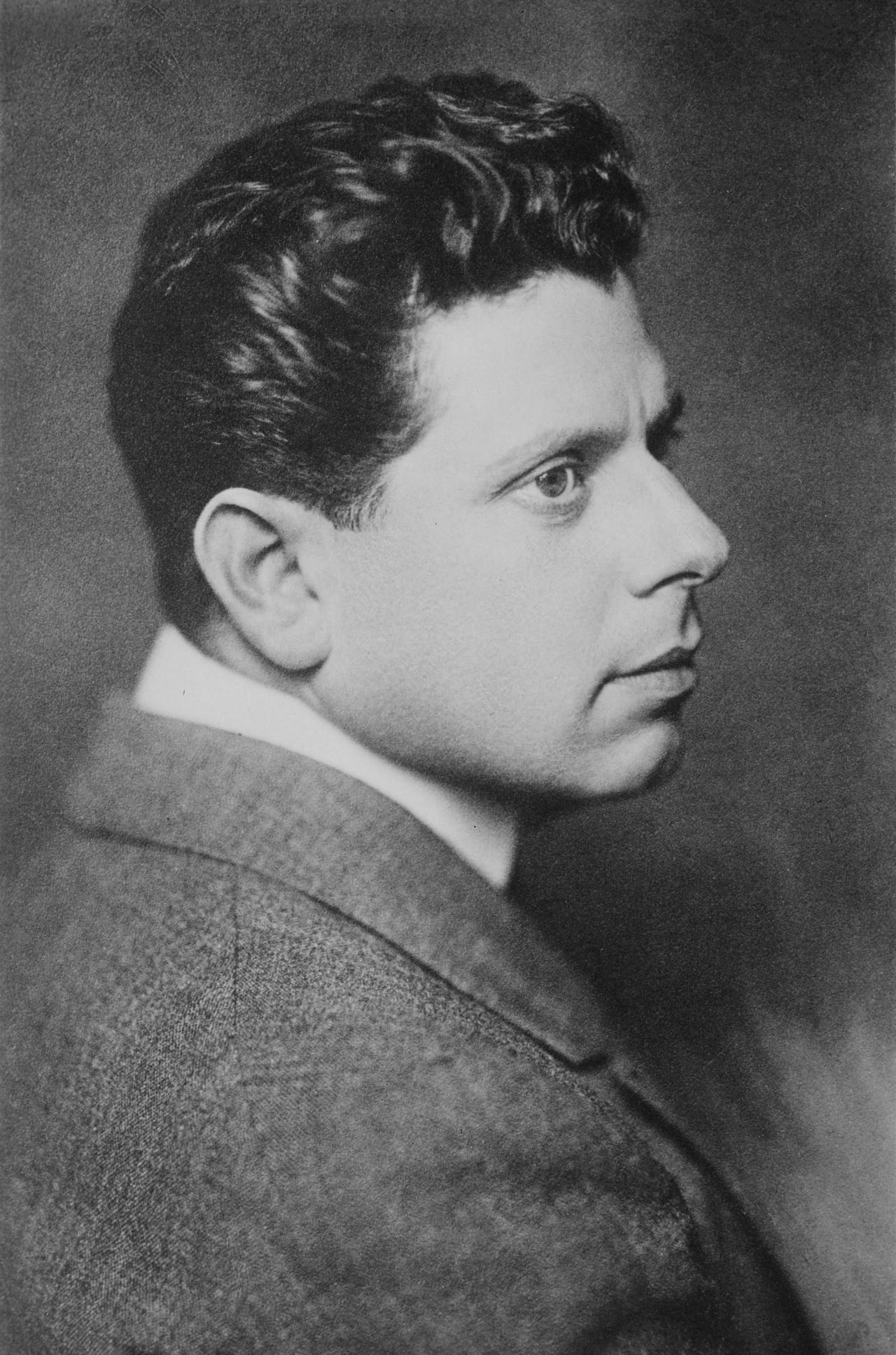
Max Reinhardt
Max Reinhardt, born Maximilian Goldmann in 1873, was an Austrian theater director and impresario whose innovative approaches transformed the world of theater in the early 20th century. Born in Baden near Vienna into a Jewish family, his first steps into the arts came as an actor when he joined the Vienna Conservatory in 1890, studying under renowned director and actor Otto Brahm. Reinhardt’s career took a decisive turn when he moved to Berlin in 1894 and joined the Deutsches Theater.
His performances and directorial work quickly attracted attention for their boldness and creativity. Reinhardt believed that theater should be a total sensory experience, engaging audiences through elaborate stage design, lighting, and innovative staging techniques. One of his most significant achievements was the founding of the Salzburg Festival in 1920, together with composer Richard Strauss and playwright Hugo von Hofmannsthal. Celebrating classical music and drama, the festival became one of Europe’s most prestigious cultural events.
Reinhardt’s productions were known for their grandeur and imaginative staging, often outdoors and integrating natural surroundings. His influence extended into film as well: his 1935 production of A Midsummer Night’s Dream, co-directed with William Dieterle, showcased groundbreaking special effects and a cast that included James Cagney and Mickey Rooney. The rise of the Nazi regime forced Reinhardt, as a Jew, to flee to the United States in 1933. There he continued his work, founding the Max Reinhardt Workshop for Stage, Screen, and Radio in Hollywood, which became both a haven for exiled European artists and a training ground for American talent.
Any feedback for this story?