Museum Ring
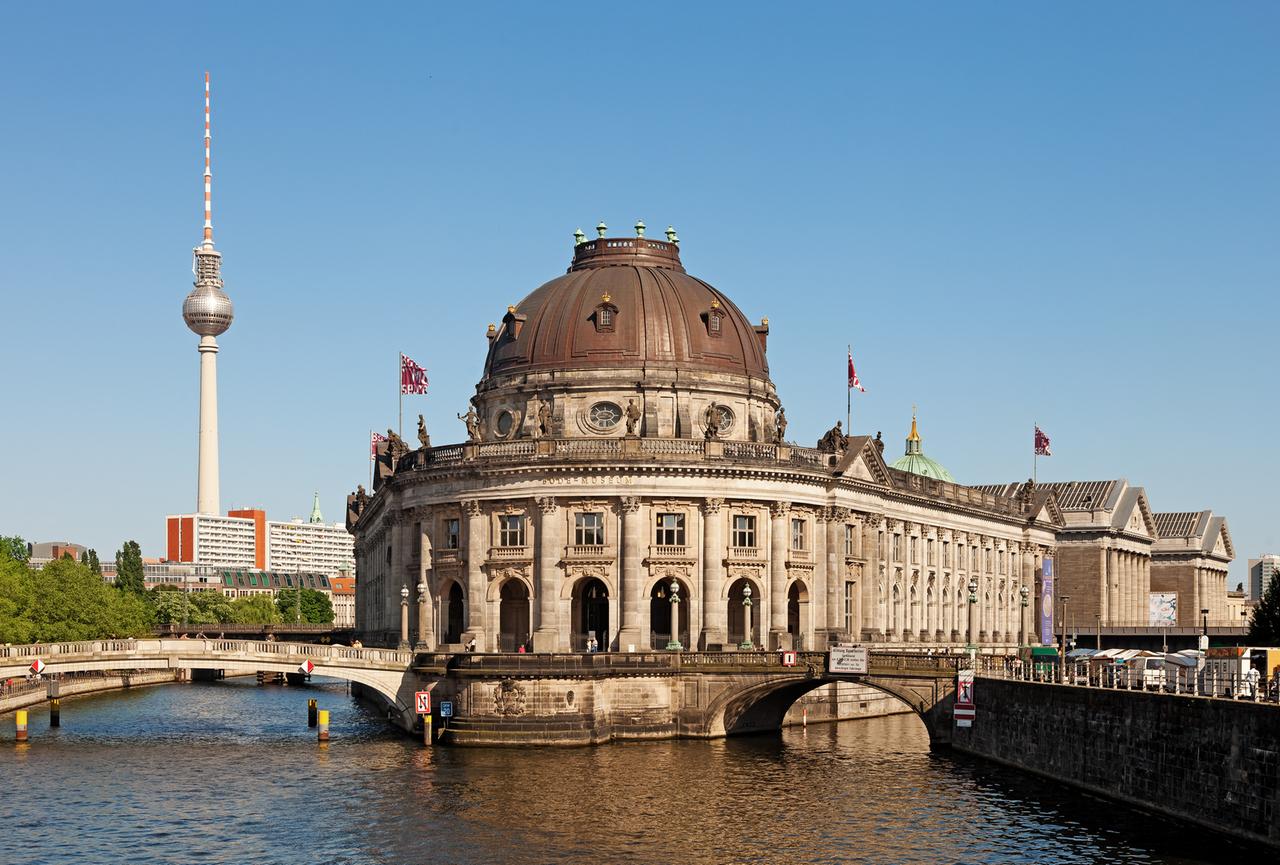
This spot, right here on the Spree River, holds more than just beautiful buildings—it is the heart of Museum Island, a unique place where Berlin’s past and culture quietly meet. Few realize that this small island is home to not only some of the world’s most famous museums but also stories of resilience and unexpected history. Museum Island’s beginnings go back to the early 1800s, when King Frederick William III wanted art to be shared with everyone, not just the wealthy.
The first museum, the Altes Museum, opened in 1830 and was designed by Karl Friedrich Schinkel, who carefully chose its classical style to invite the public in, making knowledge and culture accessible to all. One lesser-known story is about the Neues Museum, which almost vanished after World War II. Bombed badly and left in ruins, it was closed for over 70 years before reopening in 2009. During that long time, the famous bust of Nefertiti it houses was hidden away for protection, traveling through secret locations to avoid destruction. Another hidden detail is the underground tunnels connecting some of the museums, originally built to move art safely and secretly.
These tunnels played a crucial role during the war and later during Cold War tensions, allowing art to be hidden or moved without public notice. Despite the heavy damage the island suffered during the war, the careful restorations have blended old and new in surprising ways, like the reconstructed facades beside modern glass walls. Museum Island is now a UNESCO World Heritage Site, symbolizing Berlin’s hope and commitment to protecting culture through difficult times.
Any feedback for this story?