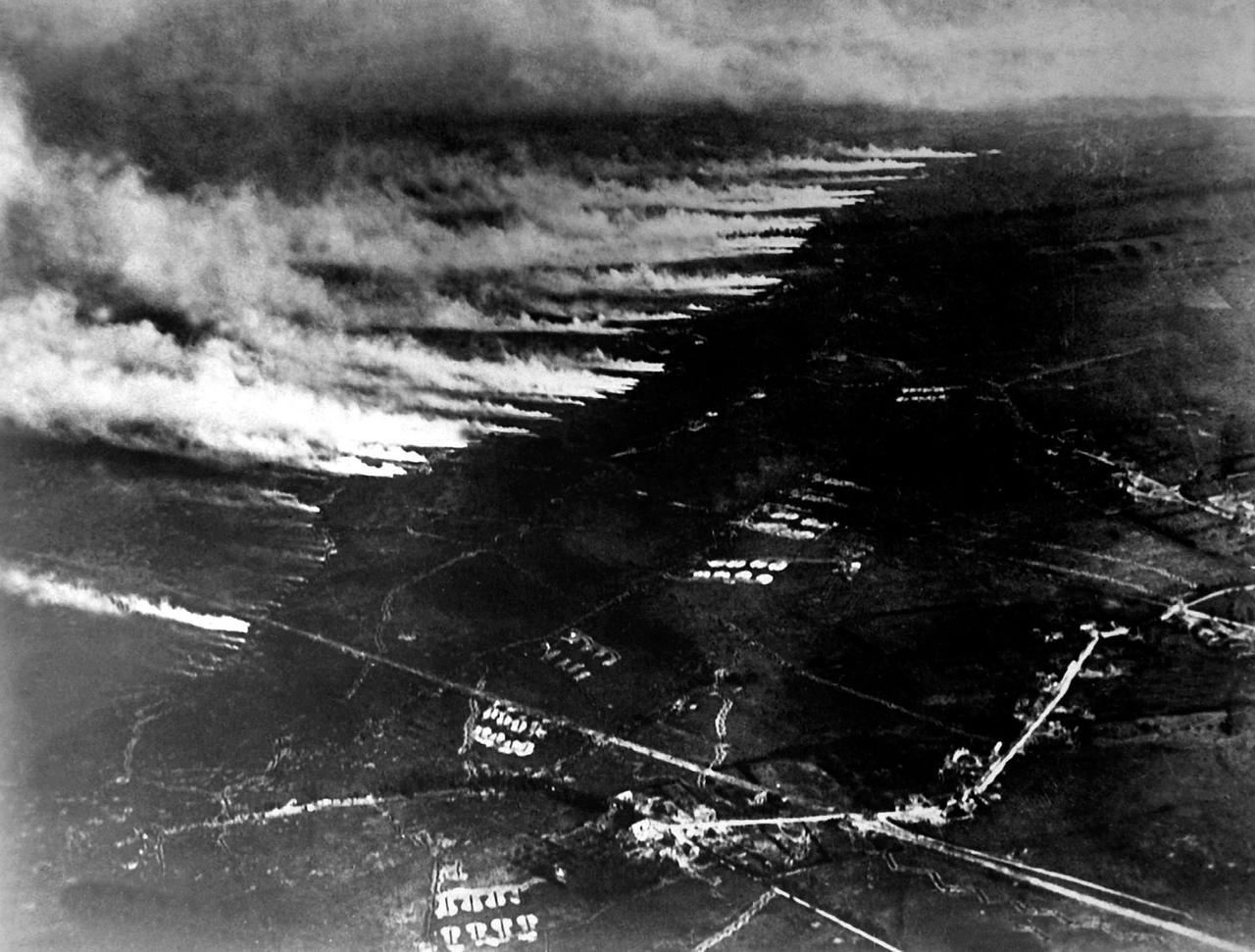
Mustard gas developed – 1916
Berlin in 1916 was a hub of scientific and industrial activity, playing a central role in Germany's efforts during World War I. Amid the city’s laboratories and chemical factories, German chemists were working on a new type of chemical weapon: mustard gas. While it would not be deployed until 1917, its development began in earnest here. The German military aimed to break the deadlock of trench warfare on the Western Front.
Researchers in Berlin, including institutions linked to the chemist Fritz Haber, focused on creating chemical agents that could cause severe injuries and disrupt enemy defenses. Haber's work connected academic chemistry with industrial production, enabling the large-scale manufacture of chemical substances for the army. Mustard gas production involved combining sulfur compounds with other chemicals to create a substance that blistered skin and damaged respiratory systems.
Its heavier-than-air property allowed it to settle in trenches and low-lying areas, remaining dangerous for days. Soldiers exposed to it faced prolonged suffering, as the gas could penetrate clothing and even contaminate equipment. Berlin’s chemical industry made these processes possible, drawing on the city’s expertise and infrastructure. The work done here marked a significant step in the escalation of chemical warfare. Though chemical weapons had been used earlier, mustard gas was particularly feared for its persistence and the intensity of its effects.
The development of mustard gas would later contribute to international efforts to restrict chemical weapons. Treaties and agreements in the decades that followed sought to prevent its use, reflecting a recognition of its devastating consequences.
Any feedback for this story?