Napoleon crushed Prussia
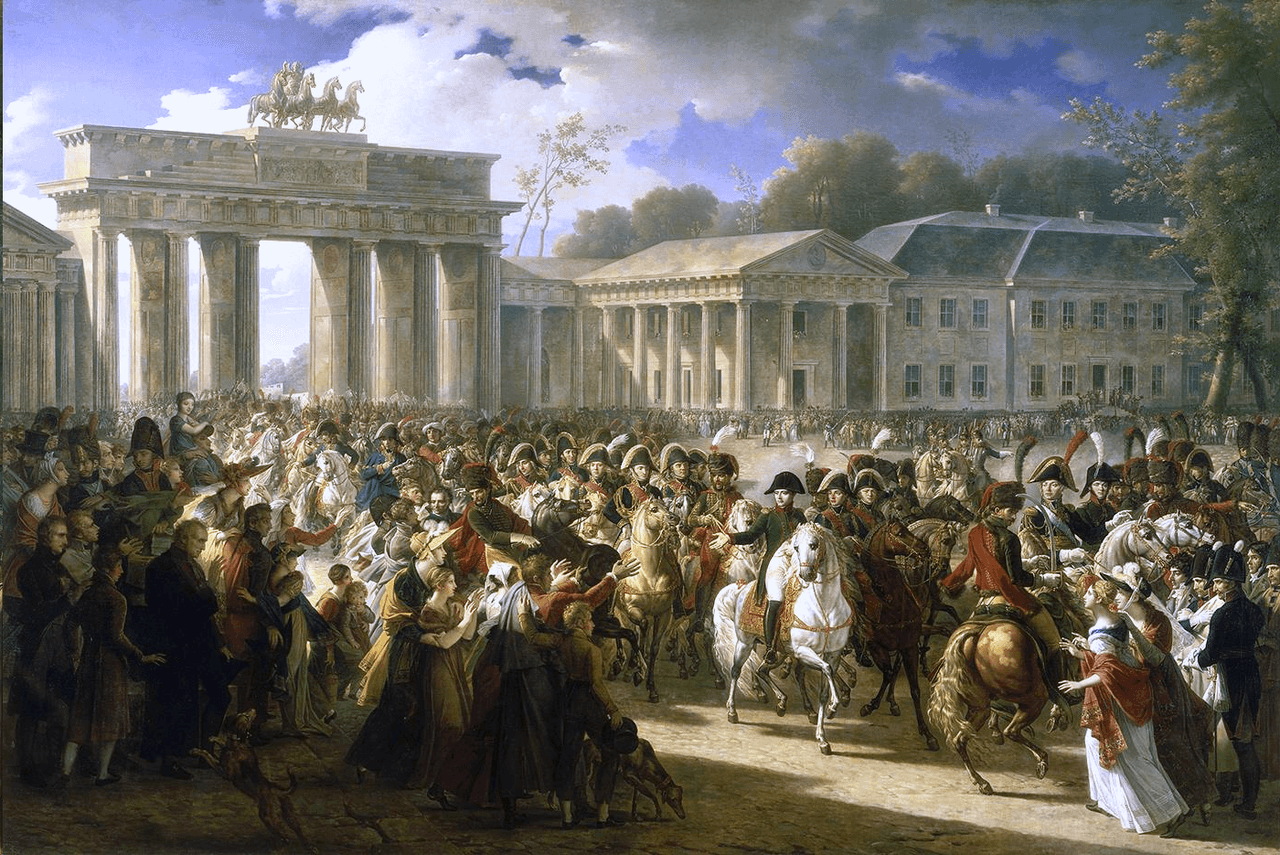
We are standing at the Brandenburg Gate, the very spot where Napoleon Bonaparte rode triumphantly into Berlin in 1806. Picture it: a conquering French emperor passing through this gate as a symbol of total victory, the Prussian capital falling silent around him.
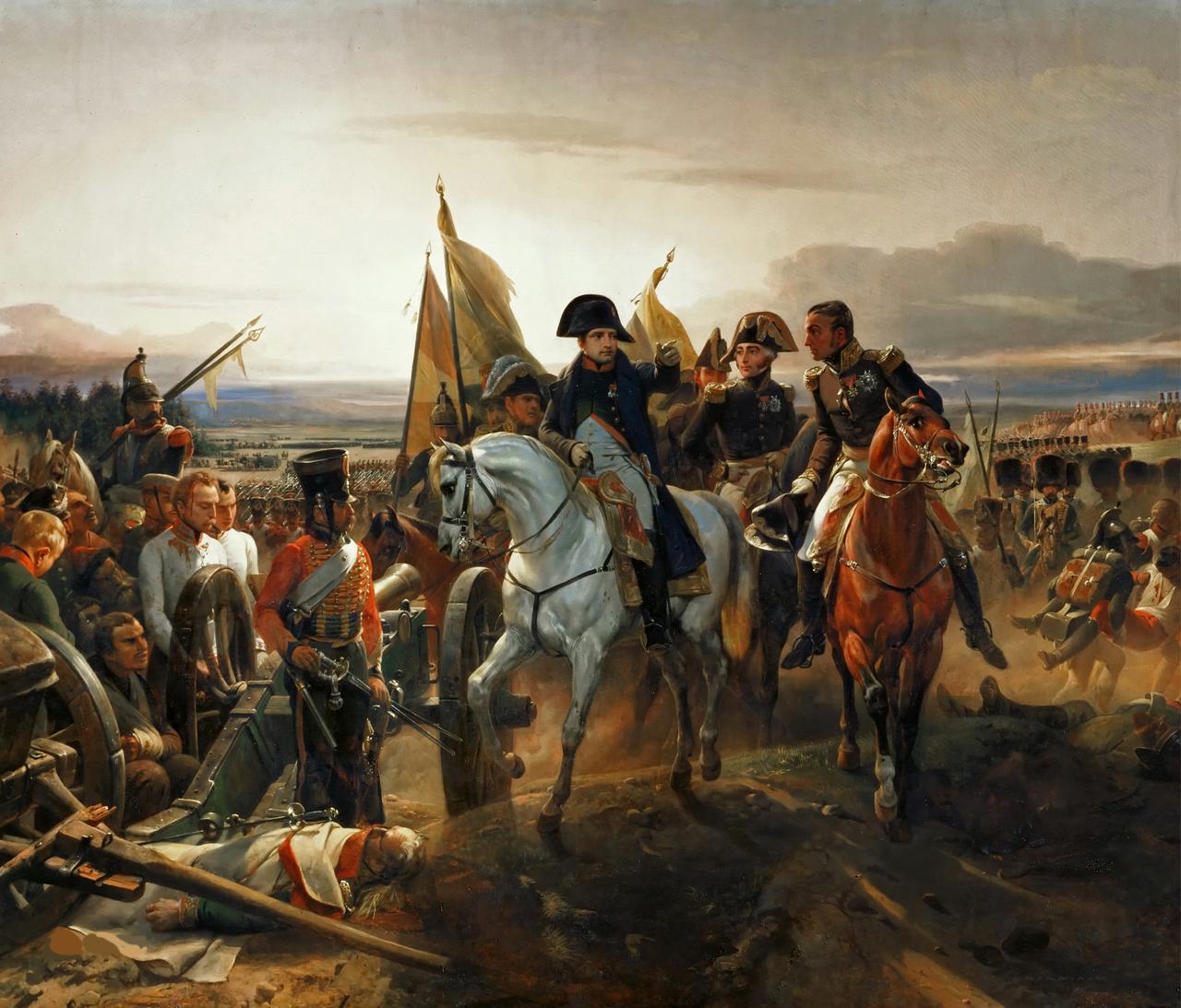
Just weeks earlier, the Prussian army had been crushed at the Battle of Jena-Auerstedt, a catastrophic double defeat that shattered one of Europe's most feared military powers almost overnight. Napoleon's troops poured into the city, and Berlin bore the full weight of occupation. Artworks were seized, the royal palace was looted, and local resources were stripped to feed French campaigns elsewhere in Europe.
For the people of Berlin, daily life became a grind of economic hardship and military restrictions. French soldiers were everywhere, and the city had little say in its own fate.
Yet something unexpected grew from that humiliation. Prussian leaders, stung by the defeat, launched sweeping reforms in education, government, and the military. These changes gradually rebuilt Prussian strength and planted the seeds of a German national identity that would reshape the continent in the decades ahead.
So the gate you see today is more than architecture. It witnessed the low point of a kingdom that then quietly rebuilt itself into something far more powerful.
Any feedback for this story?