Oberbaum Bridge
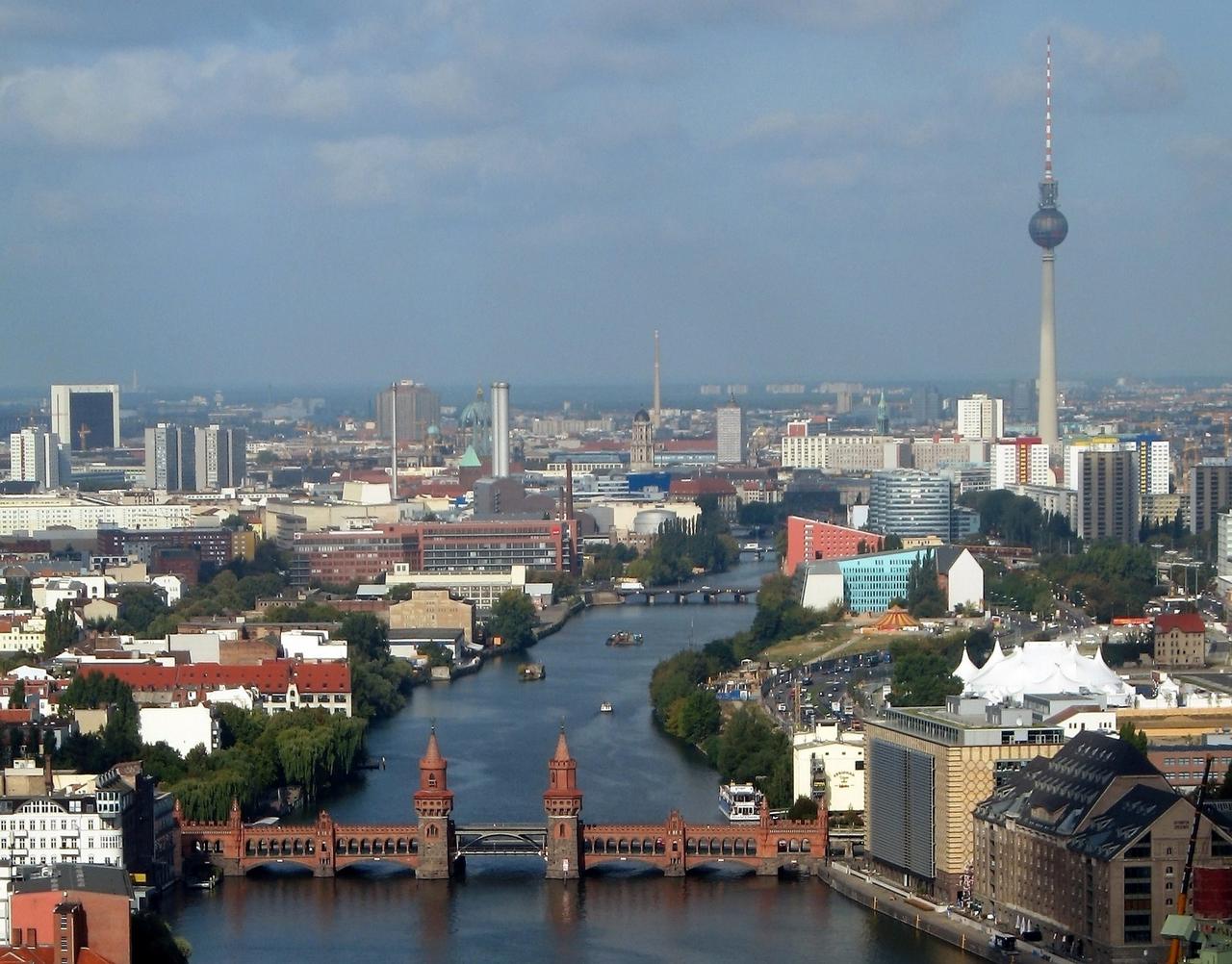
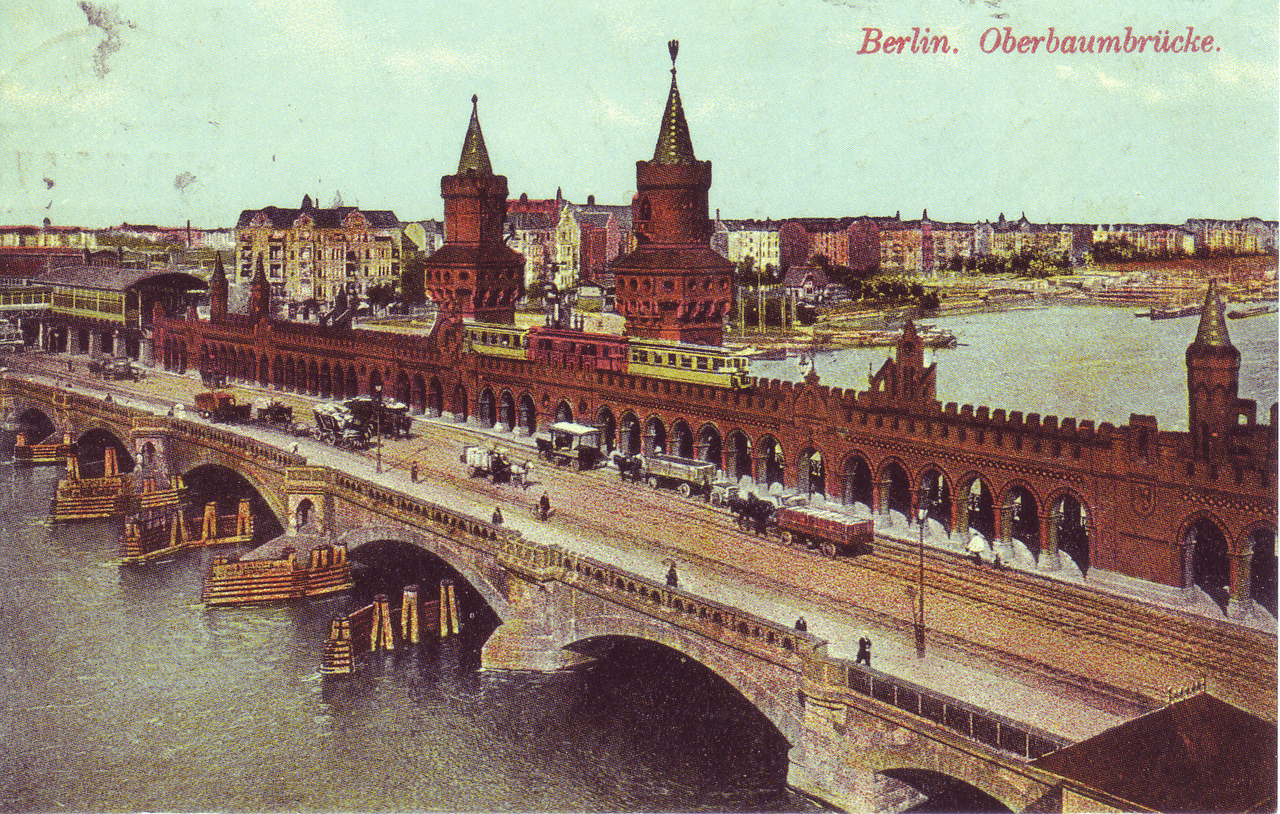
The red brick towers rising before you have witnessed more than a century of Berlin's most dramatic moments. The Oberbaum Bridge, completed in 1896, was built in a Gothic Revival style, and those pointed arches and twin towers were designed to resemble medieval city gates. It was ambitious, even theatrical, and very deliberately so.
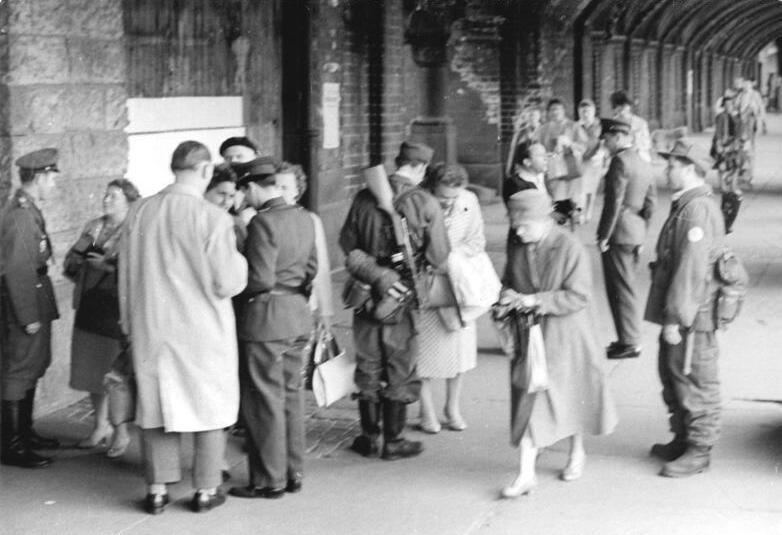
For decades it served simply as a crossing over the River Spree, connecting the neighborhoods of Friedrichshain and Kreuzberg. Then came 1961, and everything changed. When the East German government built the Berlin Wall, this bridge was sealed off and turned into a heavily guarded checkpoint. Families on opposite banks could see each other and not reach each other. The bridge that was meant to connect became a symbol of separation.
After the Wall fell in 1989, the city moved quickly to restore what had been lost. By 1994 the Oberbaum Bridge was fully reopened, with the lower deck carrying pedestrians and cars, and the upper deck running the U1 subway line directly overhead.
Today it shows up in films, paintings, and countless photographs as a symbol of Berlin's reunification. Considering it spent nearly 30 years keeping people apart, it has done a remarkable job of making up for lost time.
Any feedback for this story?