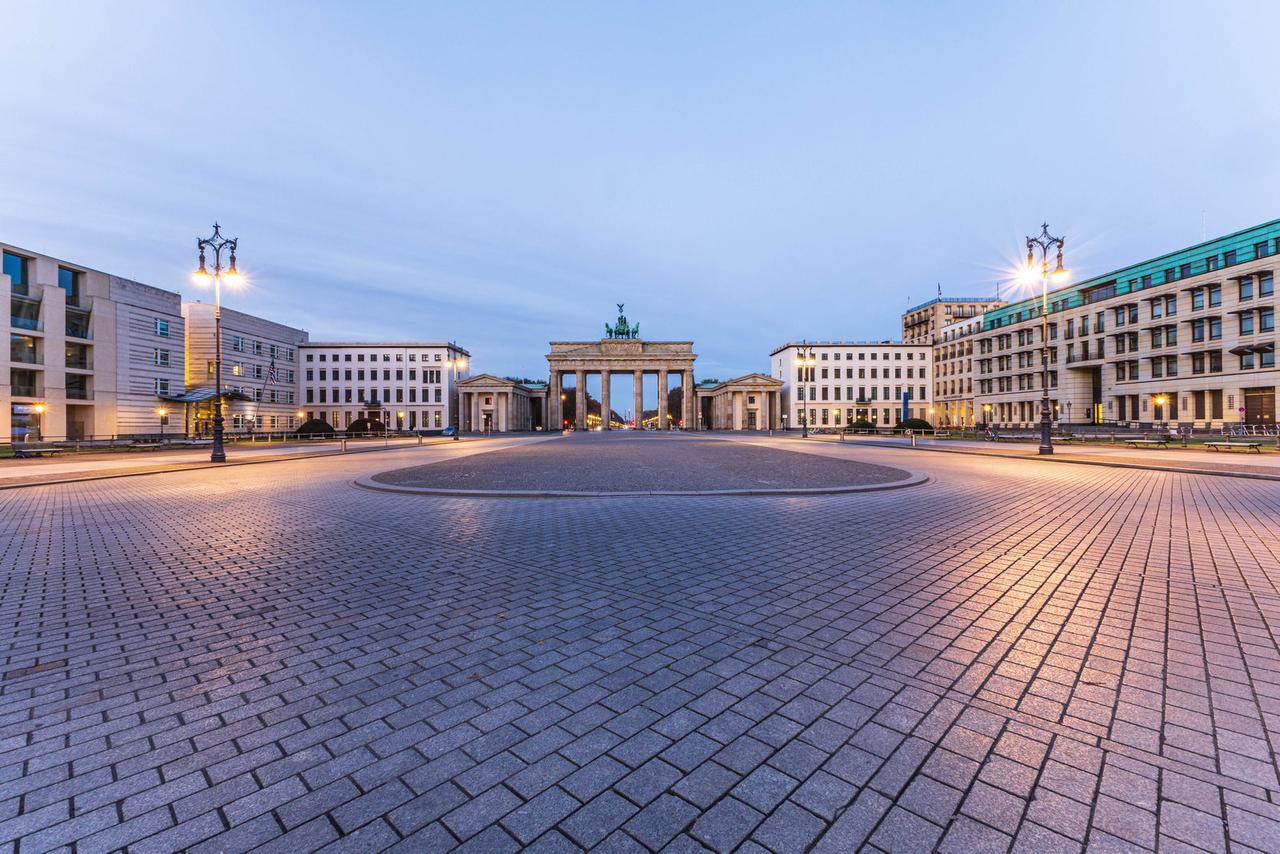
Paris Square
Here in Pariser Square, you stand at the crossroads of Berlin’s complex history and hopeful future. Nestled beside the Brandenburg Gate, this square has long been a silent witness to Germany’s changing political landscape and cultural identity. Pariser Square was designed in the late 18th century by Carl Gotthard Langhans, who also created the Brandenburg Gate. Its name honors the entry of Allied forces into Paris in 1814, marking the end of the Napoleonic Wars and a new chapter in European history.
During the 19th century, the square was a vibrant space for public celebrations and important parades, connecting Berlin to broader continental events. But after World War II, its atmosphere shifted dramatically. With the construction of the Berlin Wall in 1961, Pariser Square became part of the tense border zone dividing East and West Berlin. The Brandenburg Gate was stranded in a restricted area, inaccessible to both sides. For almost thirty years, the square remained empty and silent, symbolizing the division of the city and country.
Following the fall of the Berlin Wall in 1989, Pariser Square quickly regained its importance. It was restored, and in 2002, the Brandenburg Gate reopened as a powerful symbol of German reunification. The square today hosts diplomatic ceremonies and attracts locals and tourists alike. A lesser-known fact is the presence of the Hotel Adlon on Pariser Square, which was once among Europe’s most luxurious hotels before being destroyed in World War II and later rebuilt. The hotel hosted numerous famous guests, adding to the square’s rich historical significance.
Any feedback for this story?