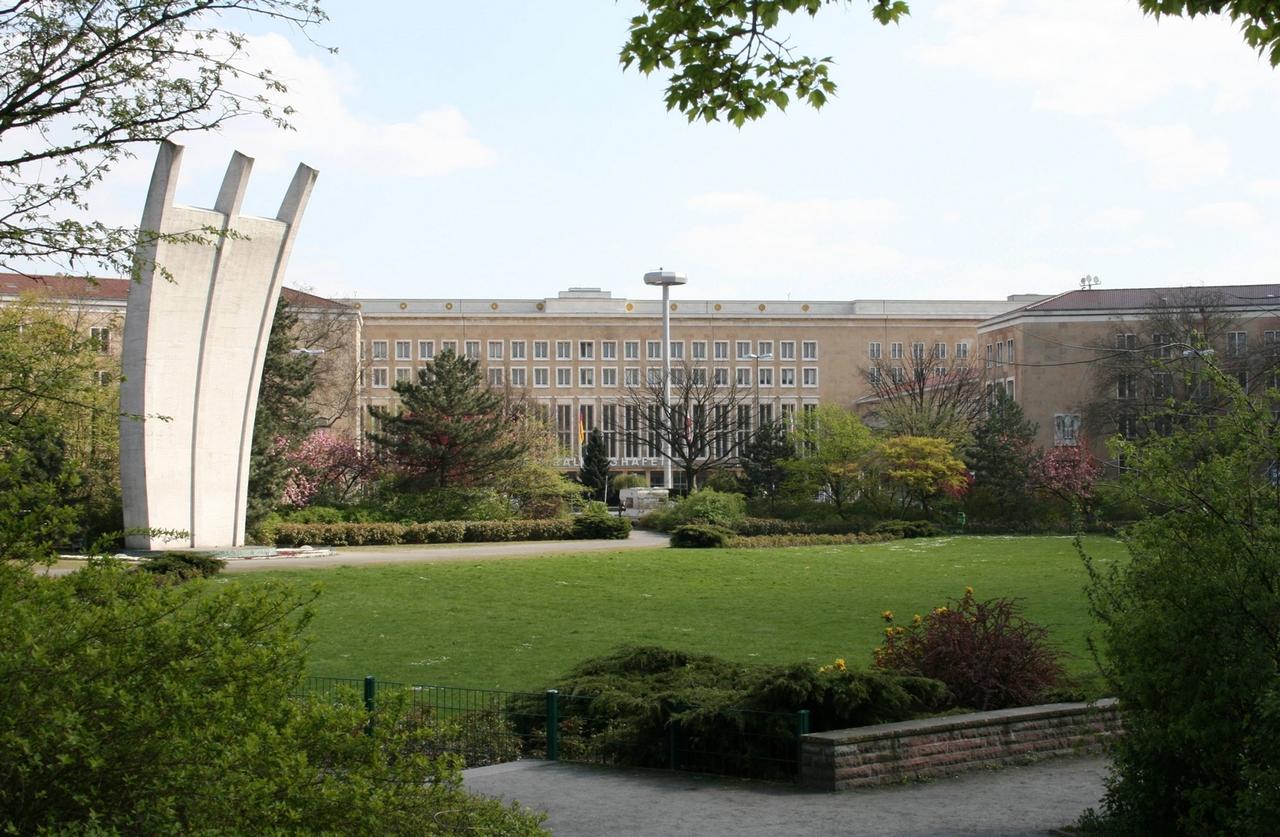
Platz der Luftbrucke
Right behind you is the very spot near where one of the largest airlift operations in history began the Berlin Airlift, known locally as the "Luftbrücke" or Air Bridge. In 1948, when the Soviet Union blockaded all land and water access to West Berlin, cutting off food and fuel supplies, the Western Allies faced a daunting challenge: how to keep the city alive without triggering a military conflict.
The solution was an unprecedented airlift, supplying everything the city’s two million residents needed by air. What’s less known is that the airlift wasn’t just about cargo planes arriving; it relied heavily on a massive network of ground crews, mechanics, and air traffic controllers who worked around the clock to keep planes landing every 90 seconds at the nearby Tempelhof Airport.
Over 200,000 flights were made during the nearly 11 months of the blockade, delivering more than 2.3 million tons of food, coal, and medicine. The operation became a symbol of hope and resilience in a divided city. Locals sometimes recall how children in West Berlin would wave and cheer at the low-flying planes, seeing them as lifelines from the outside world.
Any feedback for this story?