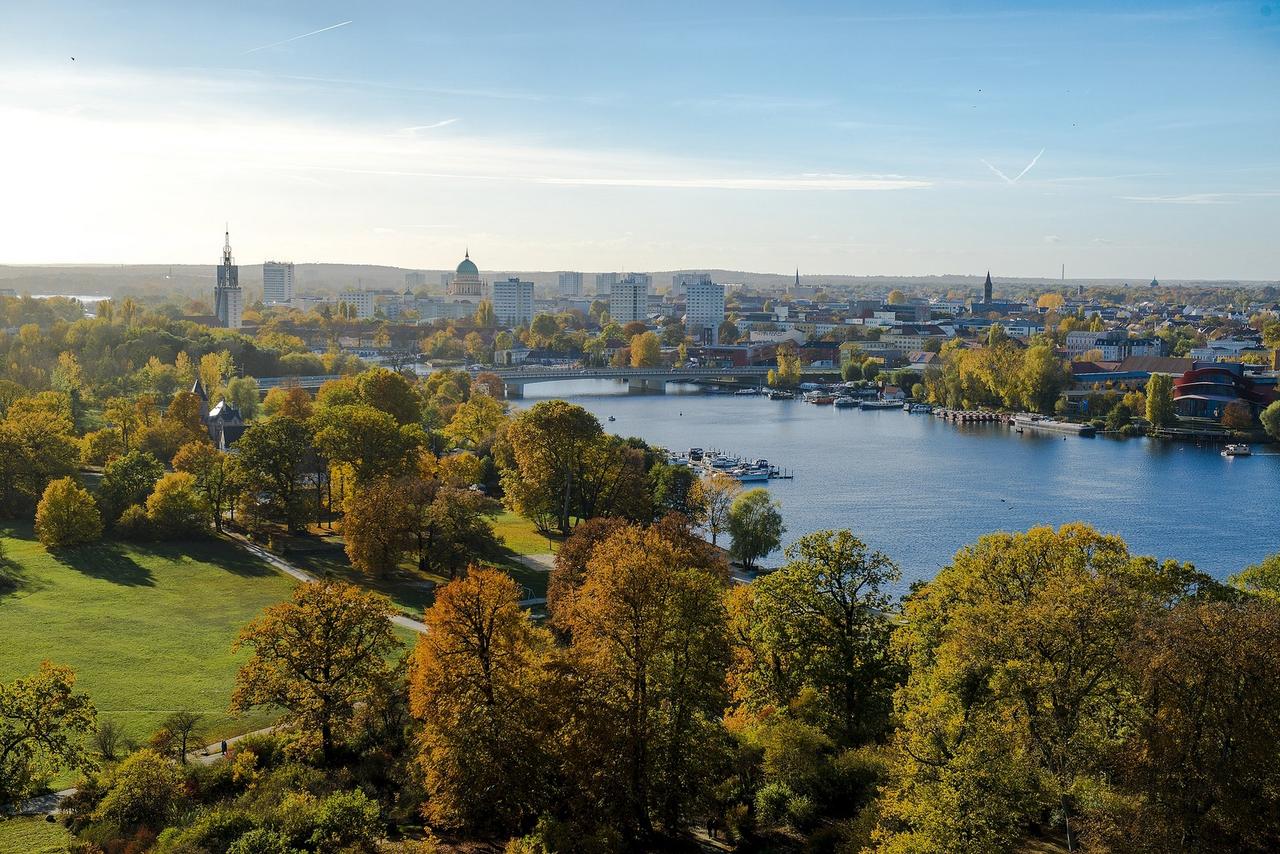
Potsdam
Look around you the charming streets, grand palaces, and lush parks all belong to Potsdam, a city just outside Berlin that has quietly shaped European history for centuries. Walking here, you tread on the grounds of Prussian kings and emperors who designed Potsdam as a showcase of power and culture. One of the lesser-known facts about Potsdam is that it is home to the largest World Heritage Site in Germany. The Palaces and Parks of Potsdam and Berlin, declared a UNESCO World Heritage Site in 1990, include not only the famous Sanssouci Palace but also a remarkable network of gardens, lakes, and historic buildings.
This ensemble reflects the artistic and political ambitions of Prussia's rulers between the 17th and 19th centuries. Sanssouci Palace, often called the "German Versailles," was built by Frederick the Great in the mid-1700s as a summer retreat. Unlike Versailles' overwhelming grandeur, Sanssouci was designed to be more intimate and personal, reflecting the king's love for art, philosophy, and music. The palace's Rococo style and terraced vineyards reveal a unique blend of nature and architecture rarely found elsewhere. Beyond Sanssouci, Potsdam also hosted key moments in 20th-century history.
The city was the site of the Potsdam Conference in 1945, where Allied leaders met to decide Europe's post-war fate. Today, the conference site stands as a reminder of the city’s global importance beyond its royal past. Potsdam’s blend of Baroque, Rococo, and Romantic styles, alongside its lakes and parks, offers a peaceful yet historically rich experience. Every corner of the city tells a story from the Dutch Quarter with its red brick houses to the Cecilienhof Palace, where history was made.
Any feedback for this story?