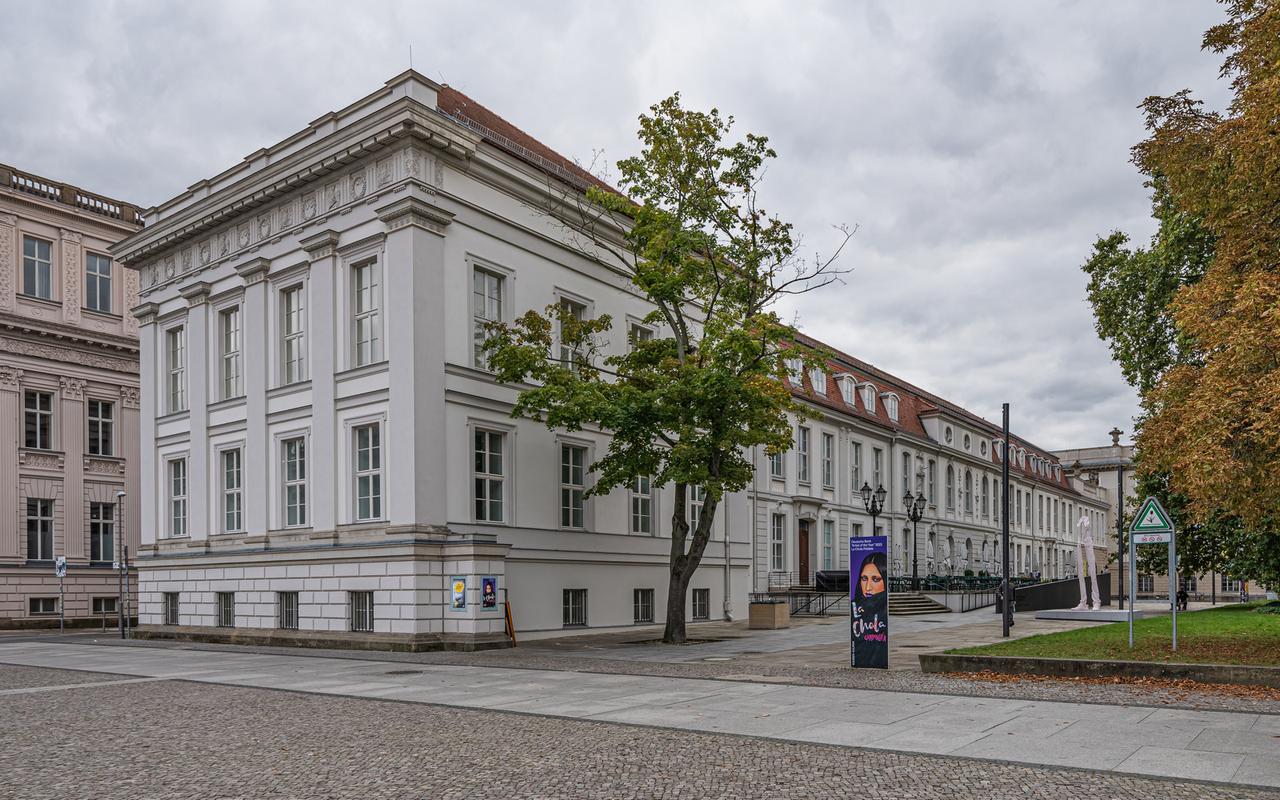
Princesses' Palace
Standing in front of the Princesses' Palace, you're looking at one of Berlin's more quietly ironic buildings. In the early 19th century, King Friedrich Wilhelm III of Prussia had this elegant neoclassical structure renovated specifically for his three daughters. The name stuck. The princesses, apparently, did not.
Historians believe the royal daughters never actually lived here, despite all the fuss of remodeling and naming the place after them. Whether they simply preferred other residences or the logistics never worked out, nobody knows for certain. The palace became more of a title than a home.
But the story doesn't stop with royalty. Fast forward to the era of East Germany, when Berlin was divided and the communist state controlled almost every corner of daily life. Inside this very building, the elegant Operncafé became something unexpected: a regular meeting place for East Berlin's gay community. Every week, in the shadow of the nearby Staatsoper opera house, people gathered here for disco nights, carving out a small but real space for themselves under a regime that wasn't exactly known for its open-mindedness.
A palace built for princesses who never showed up, later kept alive by people who absolutely did.
Any feedback for this story?