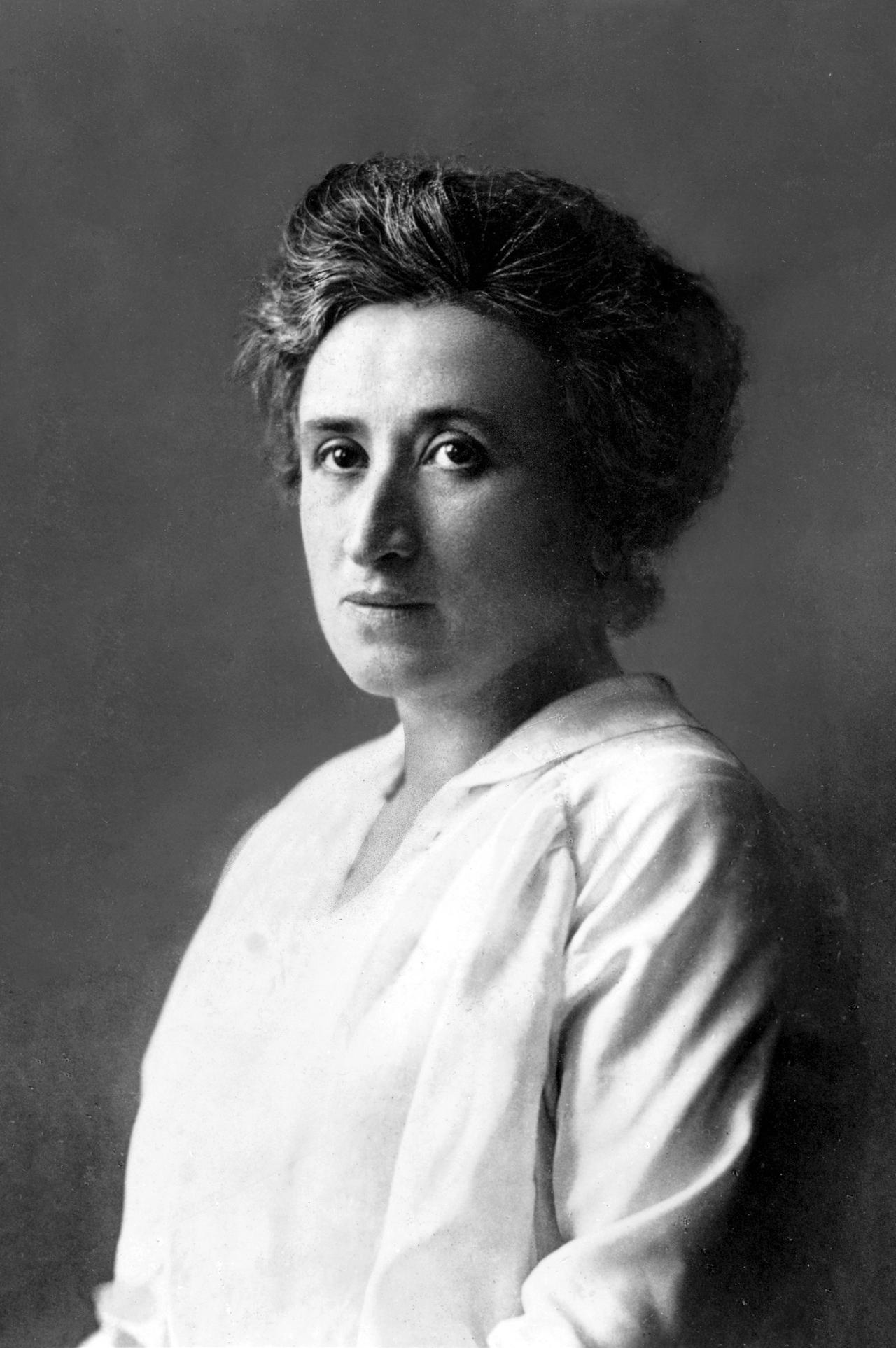
Rosa Luxemburg
This is where the memory of Rosa Luxemburg lingers a space once filled with her passionate calls for justice and democracy. While many know her as a revolutionary leader, fewer realize she was also an exceptional theorist who challenged both capitalism and the authoritarian tendencies within early socialism. Born in 1871 in Zamość, now Poland, Luxemburg was a precocious student who completed her doctorate in political economy at the University of Zurich one of the few women of her time to do so. Her thesis critically examined the economic policies of the Russian Empire, showing early on her deep interest in how power and economics shaped society.
Luxemburg’s approach to socialism was distinct. Unlike some contemporaries who supported strict party control, she believed in grassroots democracy. She famously argued that “freedom is always freedom for the one who thinks differently,” emphasizing the importance of debate within socialist movements. During World War I, Luxemburg’s outspoken opposition to the war made her a target for authorities. She was imprisoned several times but used these moments to write influential essays warning against militarism and nationalism, which she saw as tools that divided the working class.
In 1918, she co-founded the Spartacus League, which aimed to steer Germany towards a democratic socialist future after the war’s devastation. However, her life was cut short in January 1919 when she was murdered during the violent suppression of the Spartacist uprising in Berlin. An often overlooked detail is Luxemburg’s deep engagement with culture and literature. She loved poetry and maintained correspondence with writers and artists, believing that culture was essential to social change.
Any feedback for this story?