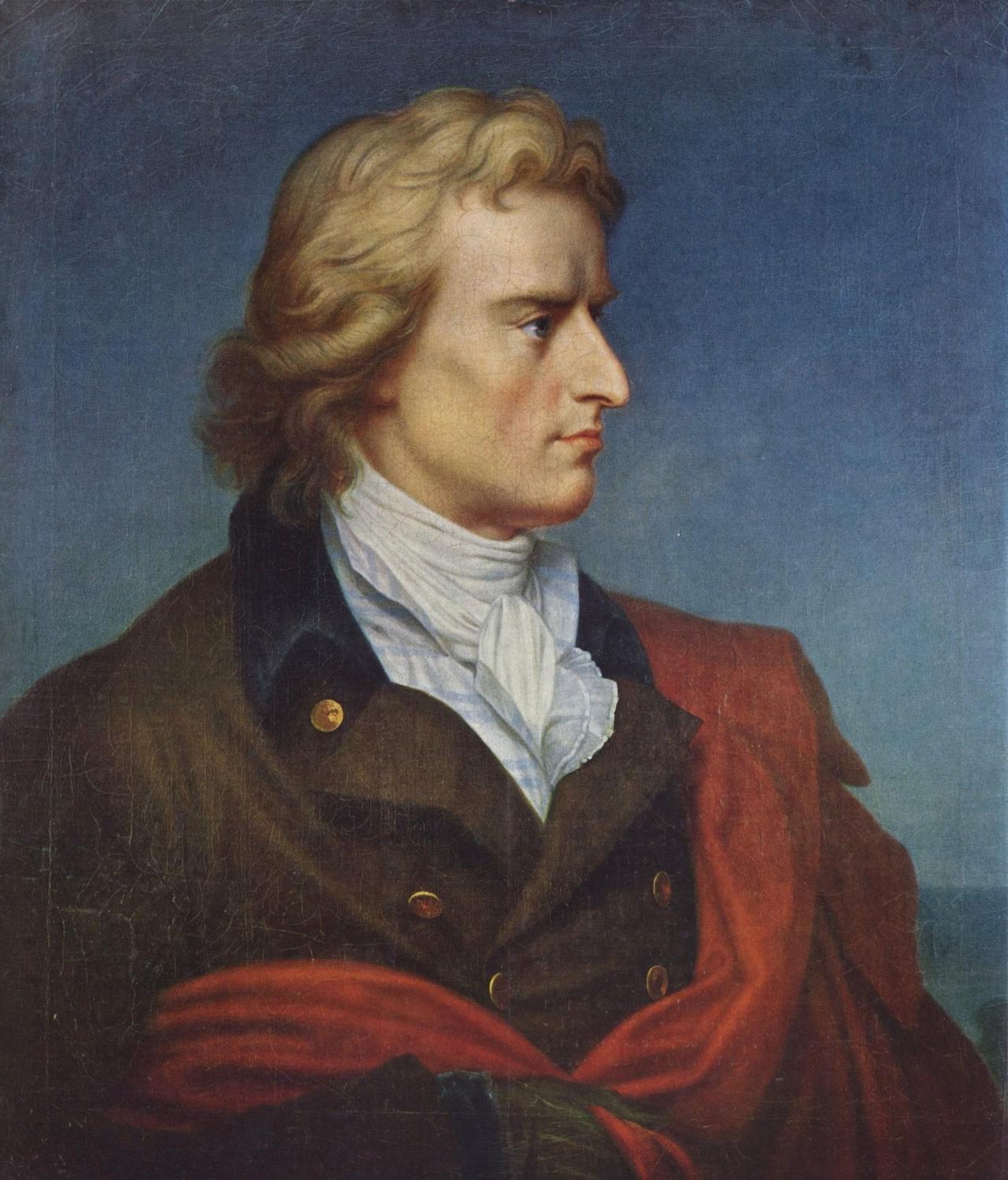
Schiller Monument at Gendarmenmarkt
The bronze figure in front of you is Friedrich Schiller, one of the most restless and defiant minds Germany ever produced. He was a playwright, poet, and philosopher who genuinely believed that art could make people better. Standing here at the Gendarmenmarkt, one of Berlin's most elegant squares, it feels fitting that his monument occupies center stage.
Schiller was born in 1759 in a small town in southwestern Germany and grew up under strict military schooling. That rigid environment didn't crush him. It sharpened him. His first major play, "The Robbers," written in 1781, was a raw, furious attack on political corruption and abuse of power. The Duke of Württemberg was so offended he had Schiller briefly imprisoned. Schiller escaped and never looked back.
He went on to write some of the most celebrated dramas in the German language, including "William Tell" and "Mary Stuart." His friendship with Goethe, the other towering giant of German literature, shaped an entire cultural movement focused on beauty and moral ideals.
And then there is his "Ode to Joy," the poem Beethoven set to music in the Ninth Symphony, now sung by millions across the world. Not bad for a man who died at just 45.
Any feedback for this story?