Schlossplatz and the Thirty Years' War
Right here at Schlossplatz, you're standing on ground that once belonged to a battered and exhausted city. Back in the early 17th century, Berlin was little more than a small fortified town, and then came the Thirty Years' War.
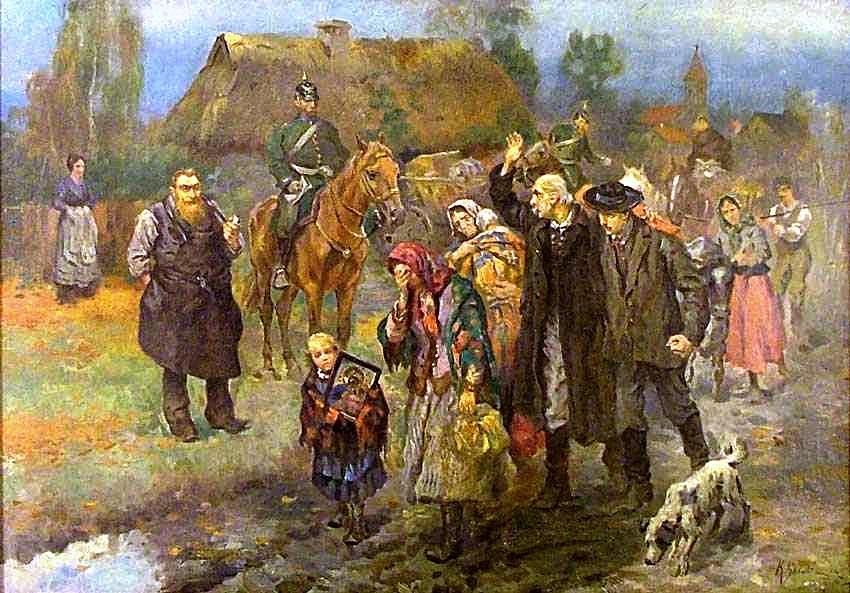
From 1618 to 1648, this conflict tore through the Holy Roman Empire, a sprawling collection of German-speaking states that covered much of central Europe. Armies marched back and forth across the land, and Brandenburg-Prussia, the region surrounding Berlin, suffered badly. Troops were quartered in homes. Farmland was stripped bare. Villages were abandoned. Disease and famine followed where soldiers led, and the population collapsed sharply.
Berlin itself was not completely destroyed, but the strain was enormous. The city spent decades slowly piecing itself back together, rebuilding trade, restoring order, and trying to feed its people.
And yet, out of that devastation came something unexpected. The Peace of Westphalia in 1648 redrew the map of Europe, and Brandenburg-Prussia emerged from the chaos with newfound political recognition. The war that had nearly broken the region also cleared the ground for its rise as a major power in northern Europe.
This square, in many ways, stands at the heart of that long and painful transformation.
Any feedback for this story?