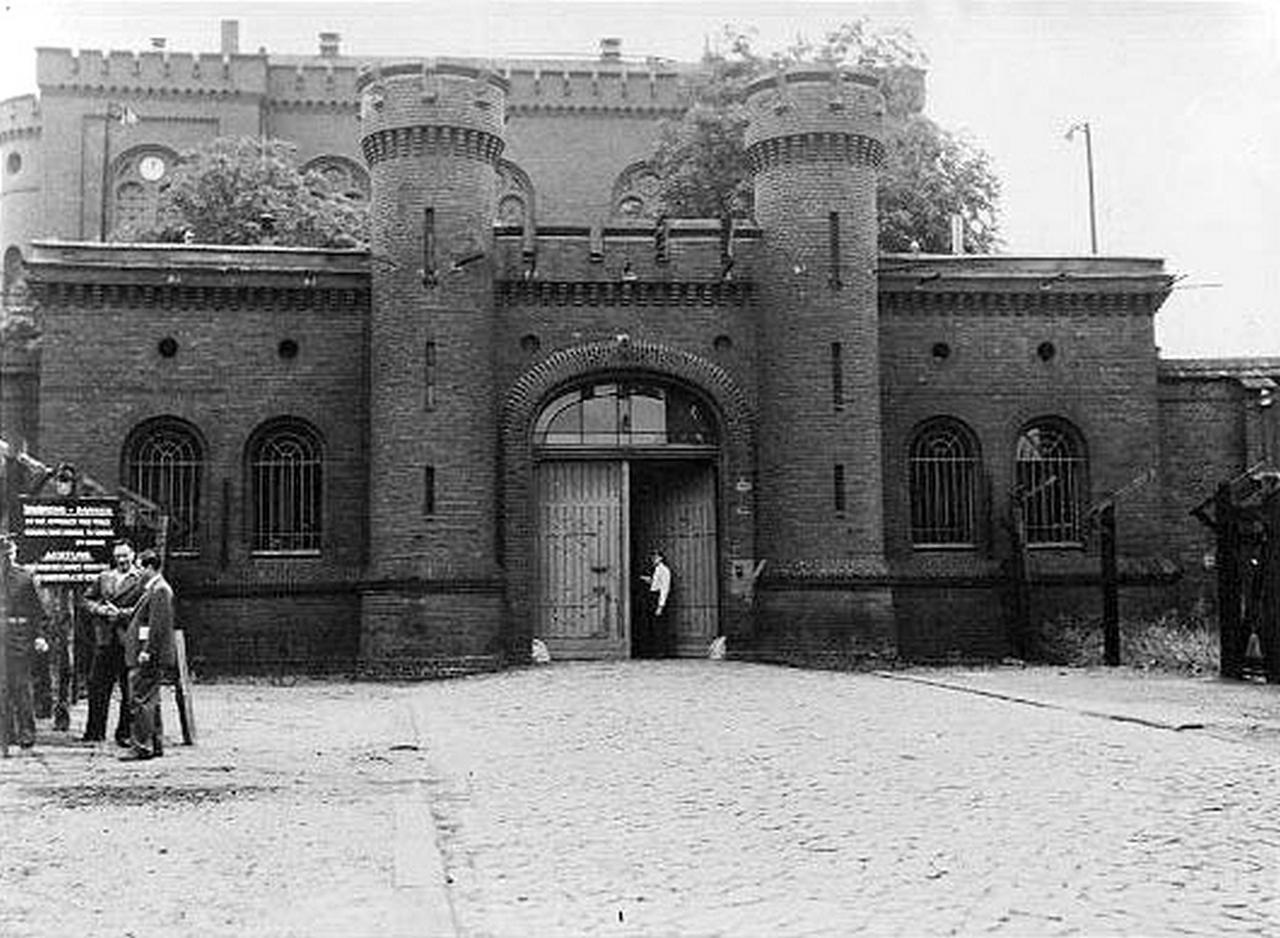
Spandau and Spandau Prison
Here in Spandau, you're standing in a district with roots deeper than Berlin itself. Once an independent town, Spandau became part of Greater Berlin in 1920—but its identity, shaped by centuries of military and industrial significance, remains distinct. Spandau’s name became globally recognized after World War II, not for its historic old town or citadel, but because of Spandau Prison. Located on Wilhelmstraße, the prison was originally built in 1876 and served various roles before becoming one of the most closely watched buildings in post-war Europe.
After the Nuremberg Trials, seven top Nazi war criminals were sentenced to serve their prison terms here. Among them was Rudolf Hess, Hitler’s deputy, who remained the prison’s sole inmate from 1966 until his death in 1987. His presence meant that the prison required daily supervision by military guards from the four Allied powers—Britain, France, the Soviet Union, and the United States—who rotated control every month. The level of security was extraordinary for a single prisoner. Over 600 guards were involved in maintaining the prison operations, with strict protocols, frequent inspections, and high political sensitivities.
Hess’s incarceration became symbolic of post-war divisions and the tensions of the Cold War. When Hess died at age 93, the Allies quickly agreed to demolish the prison. Their goal: to prevent it from becoming a neo-Nazi pilgrimage site. By 1987, the prison was completely torn down, and today, a shopping center stands on the site. No public marker indicates what once stood there.
Any feedback for this story?