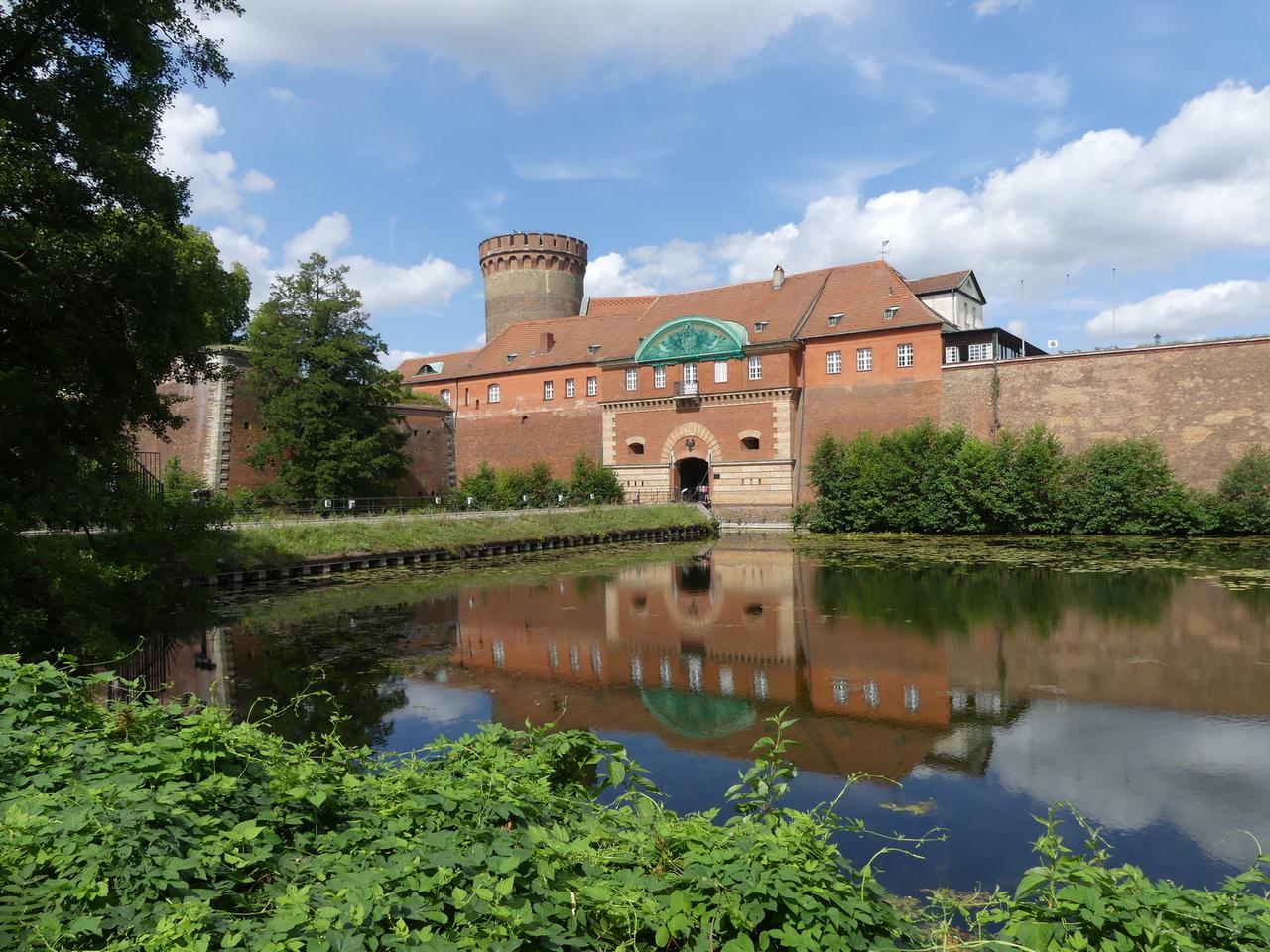
Spandau Citadel
Where the Spree and Havel rivers meet lies the Spandau Citadel. Built between 1559 and 1594, this Renaissance fortress rose on the foundations of a medieval castle. Remarkably, the donjon—a fortified tower often serving as a last line of defense—remains intact, offering a direct link to the site’s early history. The Citadel’s main role was the defense of Spandau, and it soon became one of the best-preserved forts of its era.
Its strength was tested several times. In 1675, Swedish troops laid siege to the fortress, but it held firm. Another turning point came on October 25, 1806, when Napoleon’s forces approached. To the surprise of many, the commandant surrendered without resistance, and Napoleon personally toured the citadel the next day.
The fortress then served as a base for French and Polish troops until 1813. That year, the Prussians launched a determined assault. During the battle, artillery fire struck a gunpowder magazine, causing a massive explosion and heavy damage. Nevertheless, the French commandant negotiated a peaceful handover to Prussian commander August von Thümen, ensuring a safe withdrawal for his troops.
Any feedback for this story?