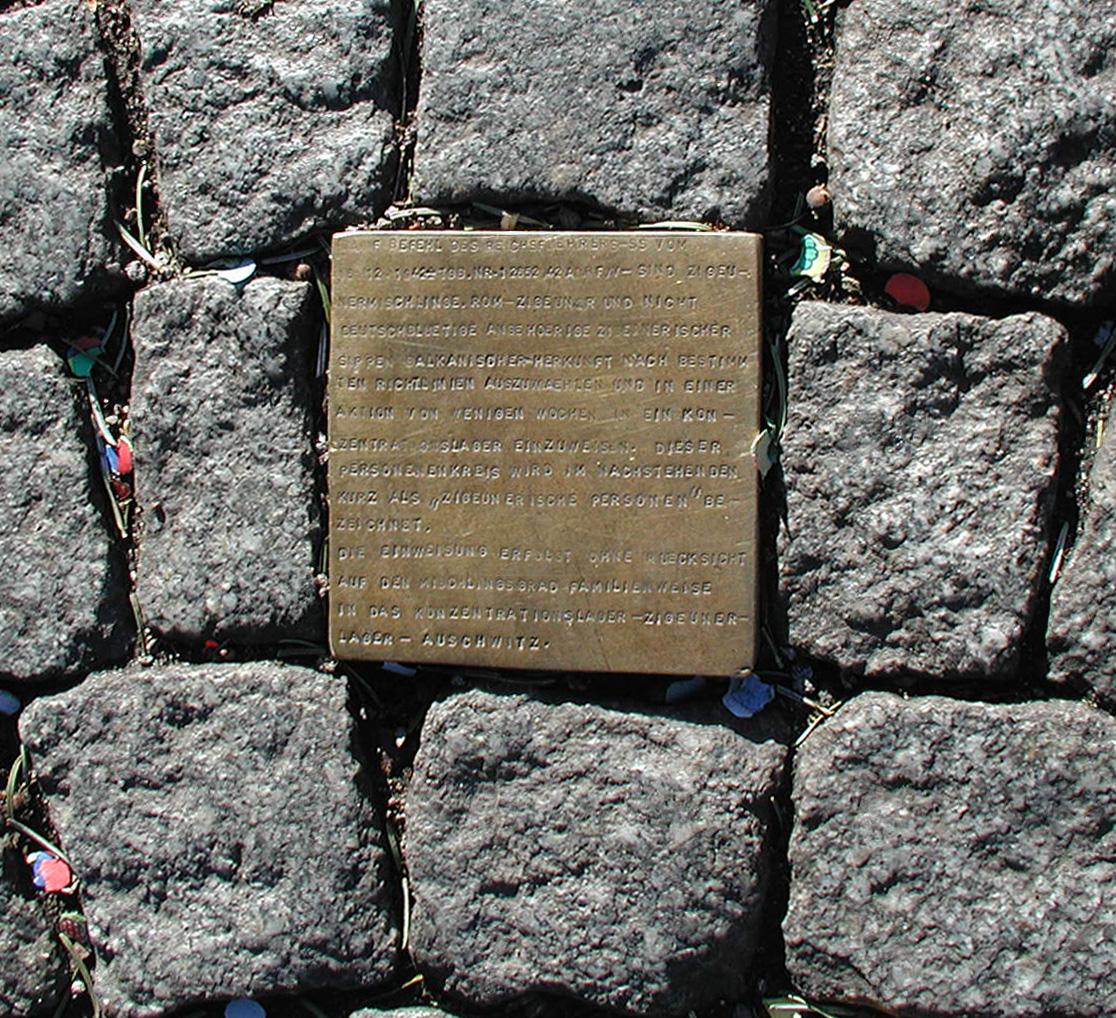
Stumbling Stones memorial – 2000s
As you explore Berlin, you may come across small brass plaques embedded in the pavement. These are Stolpersteine, or "stumbling stones," each marking the last voluntarily chosen residence of a person persecuted by the Nazis. The project began in 1996 when artist Gunter Demnig installed the first Stolperstein in Berlin-Kreuzberg. By the early 2000s, the initiative had gained momentum. In July 2000, the first officially sanctioned Stolpersteine were laid in Berlin, specifically in Kreuzberg at Naunynstraße 46.
The Stolpersteine serve as a decentralized memorial, commemorating individuals such as Jews, Sinti and Roma, political and religious dissidents, and other victims of Nazi persecution. Each plaque bears the inscription "Here lived..." followed by the person's name, birth year, and fate, offering a poignant reminder of their existence and the atrocities they faced. The installation process involves meticulous research to identify the individuals to be commemorated.
This includes tracing their last known addresses and, when possible, contacting surviving family members for approval. This approach ensures that the memorials are both historically accurate and personally meaningful. Over the years, the project has expanded beyond Berlin. By 2015, Stolpersteine had been installed in numerous countries, making it the largest decentralized memorial in the world.
The Stolpersteine are more than just historical markers; they are a testament to the resilience of memory and the importance of acknowledging past injustices. As you encounter these plaques, take a moment to reflect on the lives they represent and the lessons they impart.
Any feedback for this story?