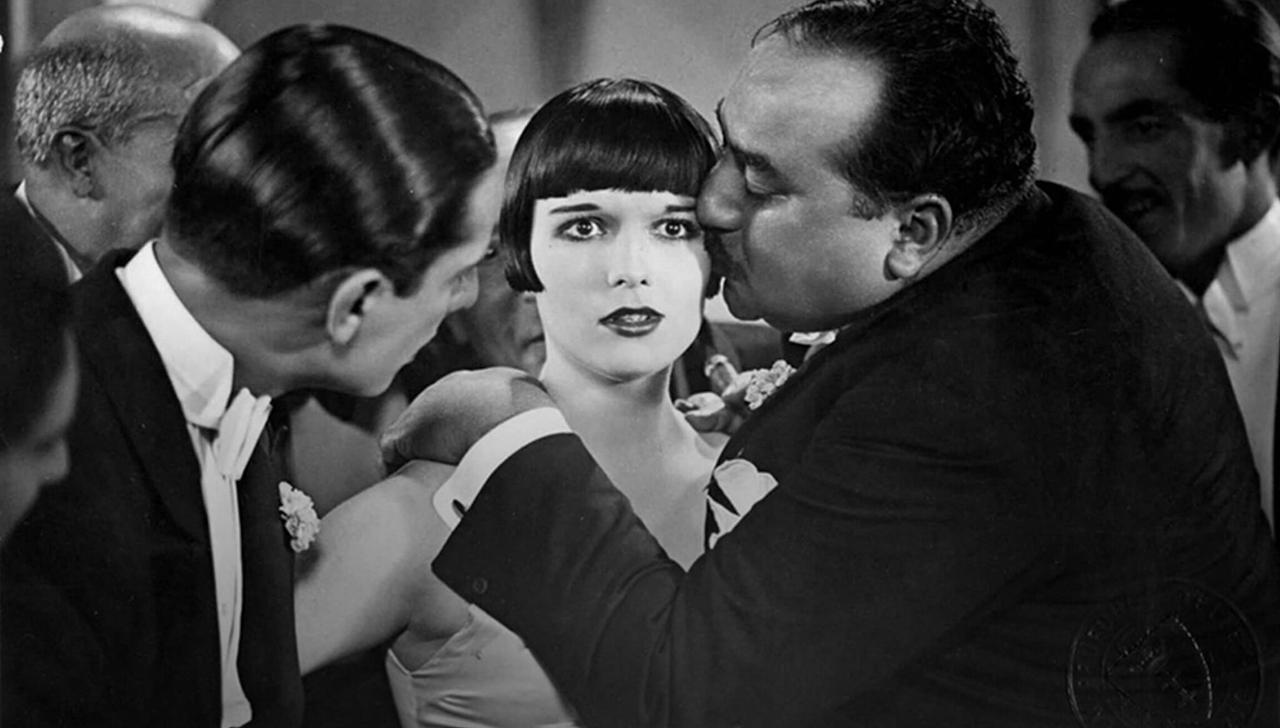
Tagebuch Verlorenen – 1905
In 1905, a book titled Tagebuch einer Verlorenen (Diary of a Lost Girl) was published in Berlin, immediately capturing public attention. It told the story of Thymian, a young woman who, after being seduced and abandoned, falls into a life of hardship and prostitution. Presented as her personal diary, the book explored themes of morality, social pressure, and the challenges faced by women in a rapidly changing society.
The book was written by Margarete Böhme, who claimed to have edited Thymian’s diary, though many believed she was the actual author. Its raw, candid style and focus on a woman’s personal struggles made it controversial at the time, sparking debates about decency, gender, and literature’s role in society. Tagebuch einer Verlorenen became a commercial success almost immediately, selling over 30,000 copies in its first four months. By 1907, it had reached 100,000 copies and was translated into fourteen languages, reaching readers across Europe and beyond.
Its influence extended into cinema, inspiring several film adaptations, including the famous 1929 silent movie starring Louise Brooks. Despite its popularity, questions about its authenticity and the morality of its content persisted. The book was banned under the Nazi regime, and Böhme’s works were removed from circulation, causing it to fade from public memory.
It was not until the late twentieth century that scholars and literary enthusiasts revisited the novel, recognizing its importance in the study of early twentieth-century German literature.
Any feedback for this story?