The 1936 Olympic Games
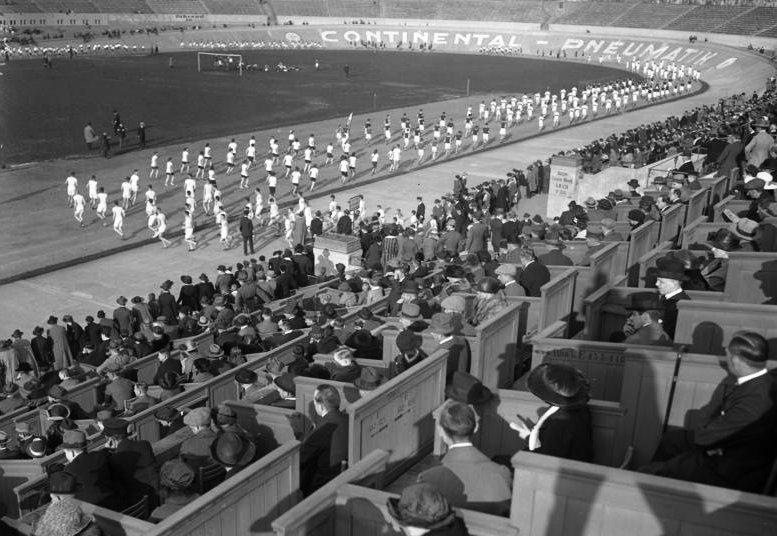
Just around here stands the grand stadium where, in the summer of 1936, athletes from across the globe gathered to compete in the Olympic Games. The event was more than a celebration of sport—it was a moment where athletic excellence met intense political undercurrents. The 1936 Olympics were groundbreaking as the first Games to be broadcast on television, reaching audiences in parts of Germany and making the competition accessible beyond the stadium walls.
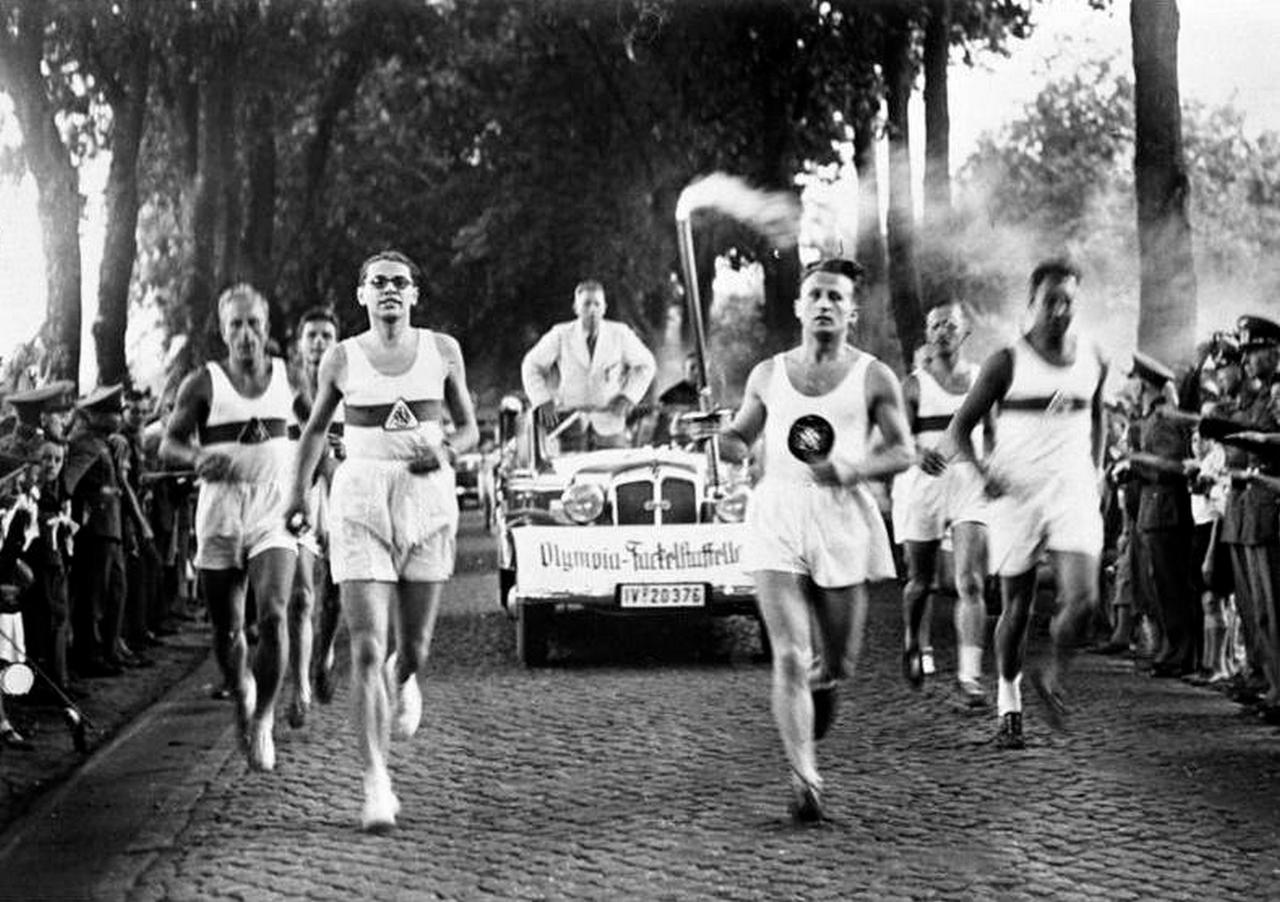
This edition also introduced the Olympic torch relay, a tradition that carries the flame from Olympia, Greece, to the host city, linking ancient customs to the modern era. While the Games aimed to promote peace and unity, the Nazi regime behind them used the event to present an image of strength and harmony, disguising its oppressive policies. The impressive architecture and grand ceremonies served as a backdrop for propaganda, aiming to impress the international community.
Amidst this, Jesse Owens, an African American sprinter and long jumper, stood out by winning four gold medals. His outstanding performance challenged Nazi racial ideology and became a symbol of resilience and talent in the face of adversity. The stadium, designed to seat over 100,000 spectators, remains today as a powerful reminder of this complex chapter in history, where sports, politics, and society intertwined.
Any feedback for this story?