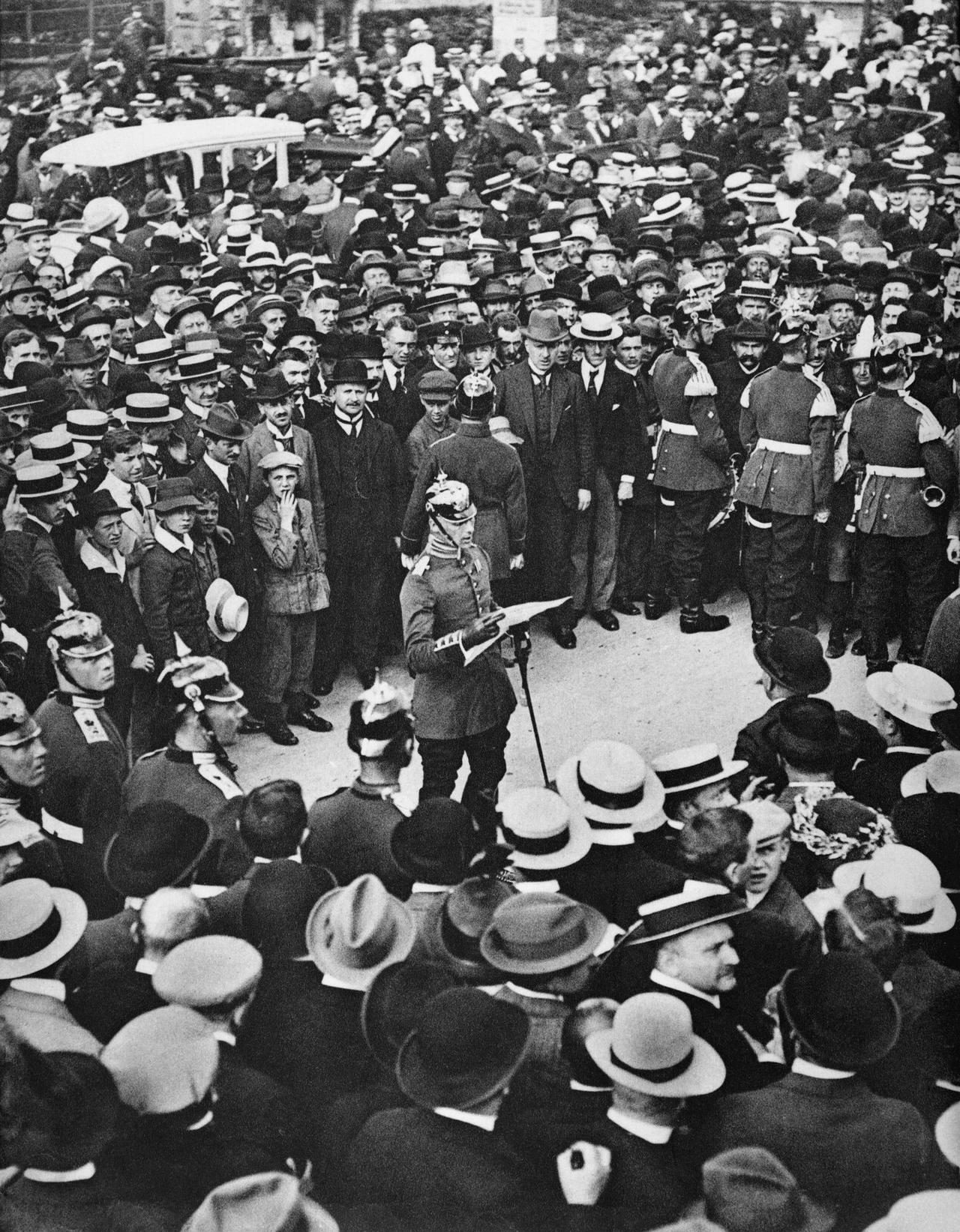
The First World War in Berlin
On this day in August 1914, Berlin’s bustling streets fell unusually silent, marking the start of a war that would deeply change the city’s life. Known for its lively theaters, cafés, and rapidly growing industries, Berlin suddenly paused as Germany entered World War I. Behind the patriotic parades and cheering crowds, few could foresee how the war would reshape the city. Berlin became the heart of Germany’s war effort, not only politically but also through its factories and propaganda machines.
Over one-third of the city’s male population was sent to fight at the front, creating a large gap in everyday life. This absence led women to take on roles they had rarely held before. They worked in factories, drove trams, and helped in hospitals. The city also faced strict food rationing; by 1916, long lines for staples like bread and potatoes became part of daily life. The hardships of war touched every corner of Berlin. A lesser-known event happened in 1915 when Berlin hosted Germany’s first silent protest against the war. Led by women, the quiet demonstration was quickly suppressed, but it signaled growing public discontent and the beginning of civil resistance.
By the end of the war in 1918, Berlin was weary. Hunger and inflation plagued the city, and more than 50,000 Berliners had lost their lives. The streets, once filled with patriotic songs, now echoed with demands for peace, justice, and food. This change in mood contributed to the German Revolution and the abdication of Kaiser Wilhelm II.
Any feedback for this story?