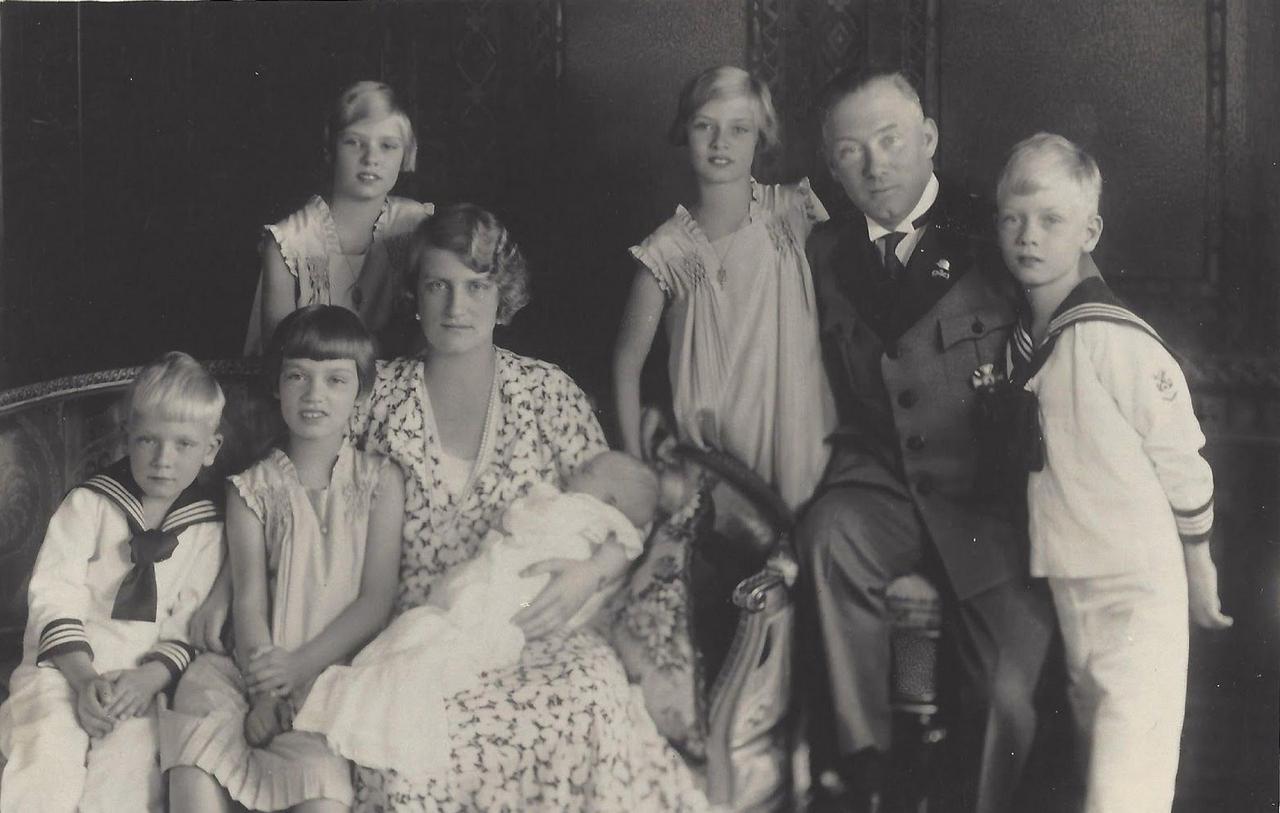
The Hohenzollern Family
The House of Hohenzollern, a distinguished German dynasty, traces its origins to Swabia, with Burchard I of Zollern first mentioned in 1061. The noble family split into two main branches: the Swabian and the Franconian lines. The Franconian line gained prominence, producing rulers who played decisive roles in European history. Frederick I of Brandenburg, also called Frederick William, was key in strengthening Hohenzollern power. His descendant Frederick II, known as Frederick the Great, was a Prussian king famed for his military achievements and cultural reforms.
Wilhelm II, the last German Emperor, ruled until his abdication in 1918 after World War I. The Swabian line, while less politically powerful, retained influence in regions that are now part of Romania. They ruled over the Principalities of Hohenzollern-Sigmaringen and Hohenzollern-Hechingen until the Romanian monarchy was abolished in 1947. Today, Georg Friedrich Ferdinand of the Franconian line carries on the Hohenzollern legacy, reclaiming and preserving historical family properties.
Karl Friedrich represents the Swabian line, maintaining family traditions. The Hohenzollerns left a lasting mark on European culture, politics, and military history. Their coat of arms, a quartered black-and-white shield, symbolizes their enduring heritage. One of their most important legacies is the family crypt in the Berlin Cathedral, the largest in Europe, where Prussian kings and Hohenzollern family members are laid to rest.
Any feedback for this story?