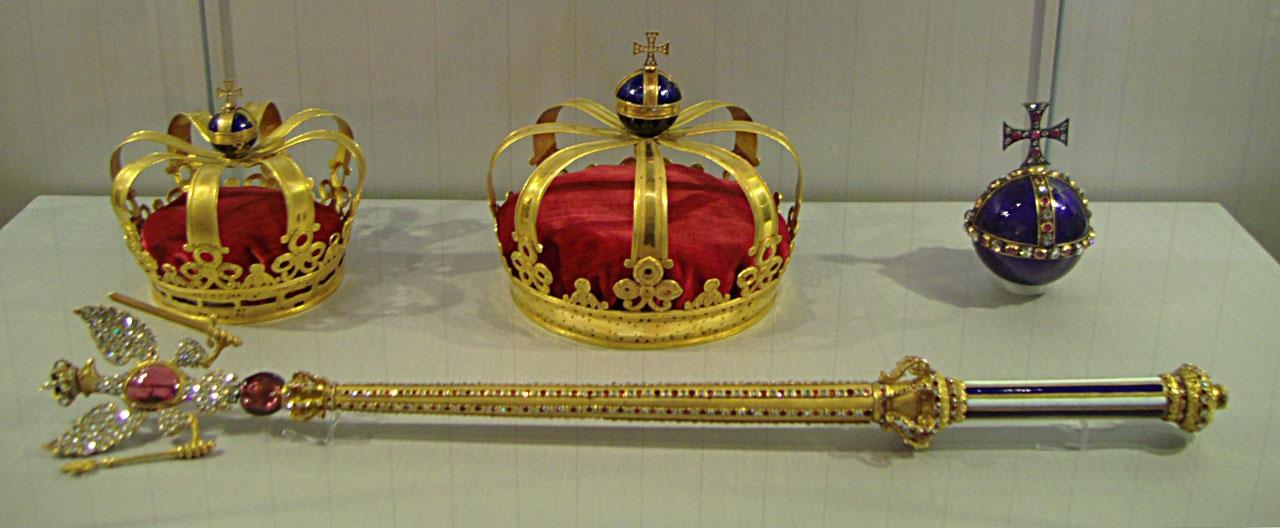
The Prussian Monarchy
The Kingdom of Prussia was a powerhouse in European history, known for its military might and influence. Established in 1701, it originated from the Duchy of Prussia. The Hohenzollern dynasty built it into a powerful state, with Berlin as its capital and political and military hub. Its rise began with the unification of Brandenburg and the Duchy of Prussia. The kingdom expanded through marriages, treaties, and wars. The Teutonic Order, founded during the Crusades, played a crucial role by Christianizing the Old Prussians in the 13th century.
Their fortresses and governance laid the foundation for statehood. Under Frederick the Great, who ruled from 1740 to 1786, Prussia’s army became legendary, and the kingdom grew into a major European power. In 1806 it suffered a heavy defeat against Napoleon at Jena and Auerstedt; Berlin was soon captured. On July 9, 1807, Prussia signed the Treaty of Tilsit, losing half its territory. After reforms, such as abolishing corporal punishment and opening military careers to all, Prussia rebuilt its army. In 1813 it fought at Leipzig, and in 1814 invaded France with its allies. In 1815 Europe was reshaped at the Congress of Vienna.
The Holy Roman Empire was replaced by the German Confederation. Prussia also pioneered education: compulsory schooling began in 1717. In the 19th century, Otto von Bismarck led three wars that unified Germany in 1871. This ended Prussia as a sovereign state, though its influence remained. After World War I, when Emperor Wilhelm II abdicated, the republic was declared in 1918. Prussian values like militarism and obedience lived on with the Nazis, but after 1945 Prussia was officially abolished.
Any feedback for this story?