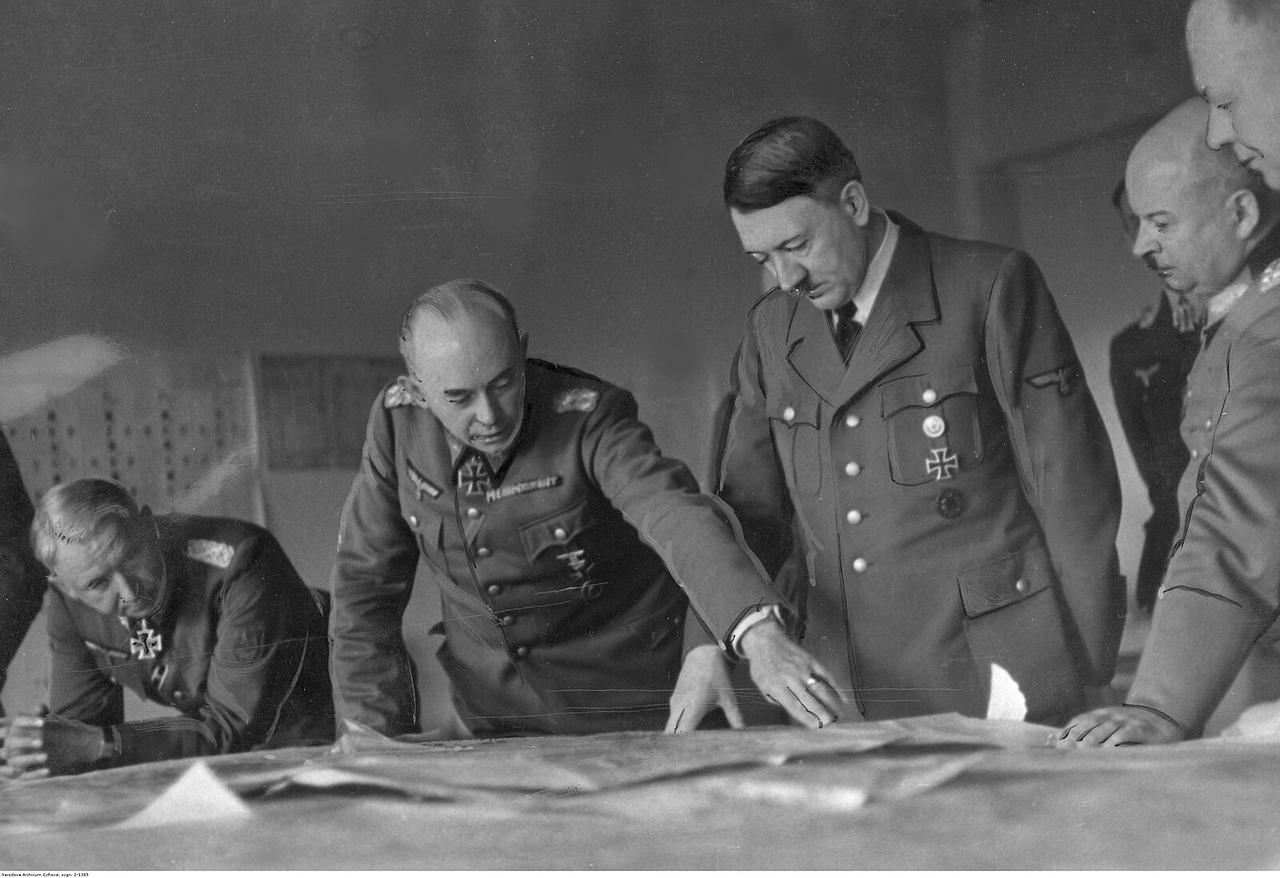
The Rise of Hitler
In the early 1930s, Germany stood at a turning point. The Weimar Republic, founded after World War I, was weakened by economic crisis and political instability. In this climate, Adolf Hitler and the Nazi Party rose to power, transforming Germany from a democracy into a dictatorship. The Great Depression hit Germany hard: unemployment soared, and poverty spread. The Nazis promised recovery and used propaganda to portray Hitler as the nation’s savior.
In 1933, he was appointed Chancellor. Soon after, the Reichstag Fire in February provided the pretext to suspend civil liberties and arrest political opponents under the Reichstag Fire Decree. A decisive step came in March 1933 with the Enabling Act, granting Hitler the power to pass laws without parliamentary approval. This dismantled democracy and established a one-party state. The Nazis also reshaped culture and society to fit their ideology.
Jews and other minorities were marginalized, foreshadowing the Holocaust. The book burnings of May 1933 symbolized their purge of all things deemed un-German. Youth were indoctrinated through the Hitler Youth and League of German Girls, emphasizing obedience and loyalty to Hitler. By the mid-1930s, Germany was firmly under Nazi control. Promises of recovery came at the price of freedom and human rights. The swift shift from democracy to dictatorship paved the way for World War II and the Holocaust.
Any feedback for this story?