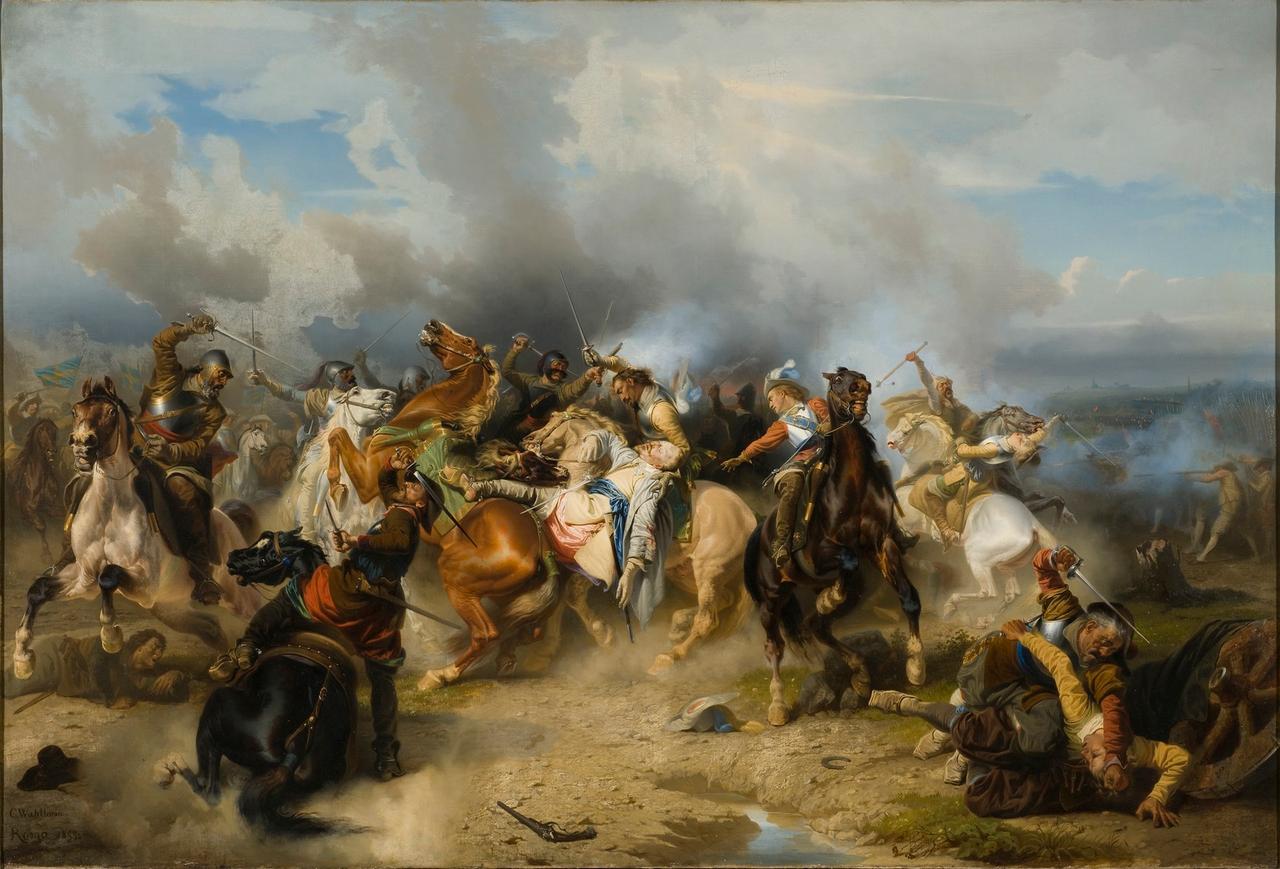
Thirty Years' War
As you walk through Berlin today, it’s hard to imagine the city as a small town caught in the chaos of the Thirty Years’ War. In 1618, religious tensions between Protestants and Catholics in the Holy Roman Empire sparked a conflict that quickly spread across Europe. Berlin, then a modest town, felt the harsh effects of this prolonged war.
By the end of the war in 1648, Berlin had lost about half of its population. Many buildings were destroyed, and famine and disease followed the fighting. In 1631, Swedish troops occupied the area, worsening the suffering and displacing residents. To prevent further devastation, the Elector of Brandenburg, Frederick William I, began constructing the Berlin Fortress in 1650.
Its walls, ramparts, and moats protected the town and symbolized the community’s determination to recover. The Thirty Years’ War left deep scars on Berlin, but it also marked the start of the city’s resilience. Over the decades, Berlin rebuilt itself, eventually growing into the lively and dynamic city we see today.
Any feedback for this story?