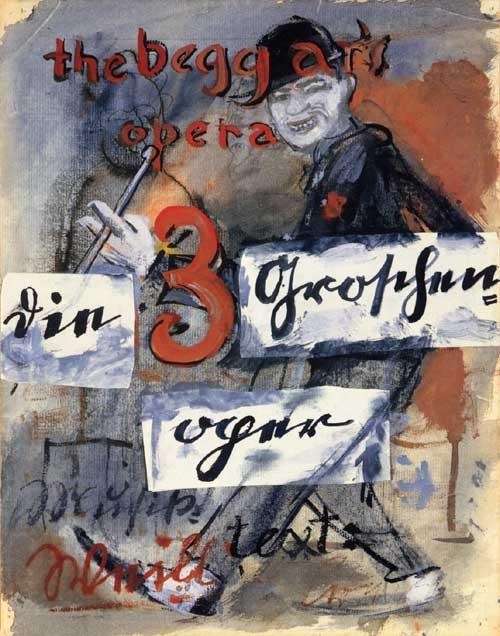
Threepenny Opera premiere – 1928
In 1928, the Theater am Schiffbauerdamm in Berlin became the scene of a theatrical revolution with the premiere of The Threepenny Opera. This work by playwright Bertolt Brecht and composer Kurt Weill transformed John Gay's 18th-century opera ballad, The Beggar's Opera, into a sharp, modern social critique.
The premiere, directed by Erich Engel and conducted by Theo Mackeben, featured Lotte Lenya, among others, who played her role with a special blend of charm and sharpness. Weill's score, a mixture of jazz, cabaret and classical music, supported Brecht's critical view of poverty, crime and social hierarchies. Despite mixed reviews, the production quickly became a success and ran over 400 times in its first two years.
One of its most famous elements is the song ‘Die Moritat von Mackie Messer’ (‘Mack the Knife’), which introduces the antihero Macheath. The catchy melody and dark humour of the lyrics captivated audiences and contributed to the opera's enduring success.
The Threepenny Opera set new standards for musical theatre by combining entertainment with social criticism. The themes reflected the dynamics and contradictions of the Weimar Republic and depicted a city experimenting with modern art, politics and culture.
Today, the Theater am Schiffbauerdamm commemorates this milestone. The premiere of The Threepenny Opera shows how innovative art can entertain, provoke thought and have a lasting cultural impact.
Any feedback for this story?