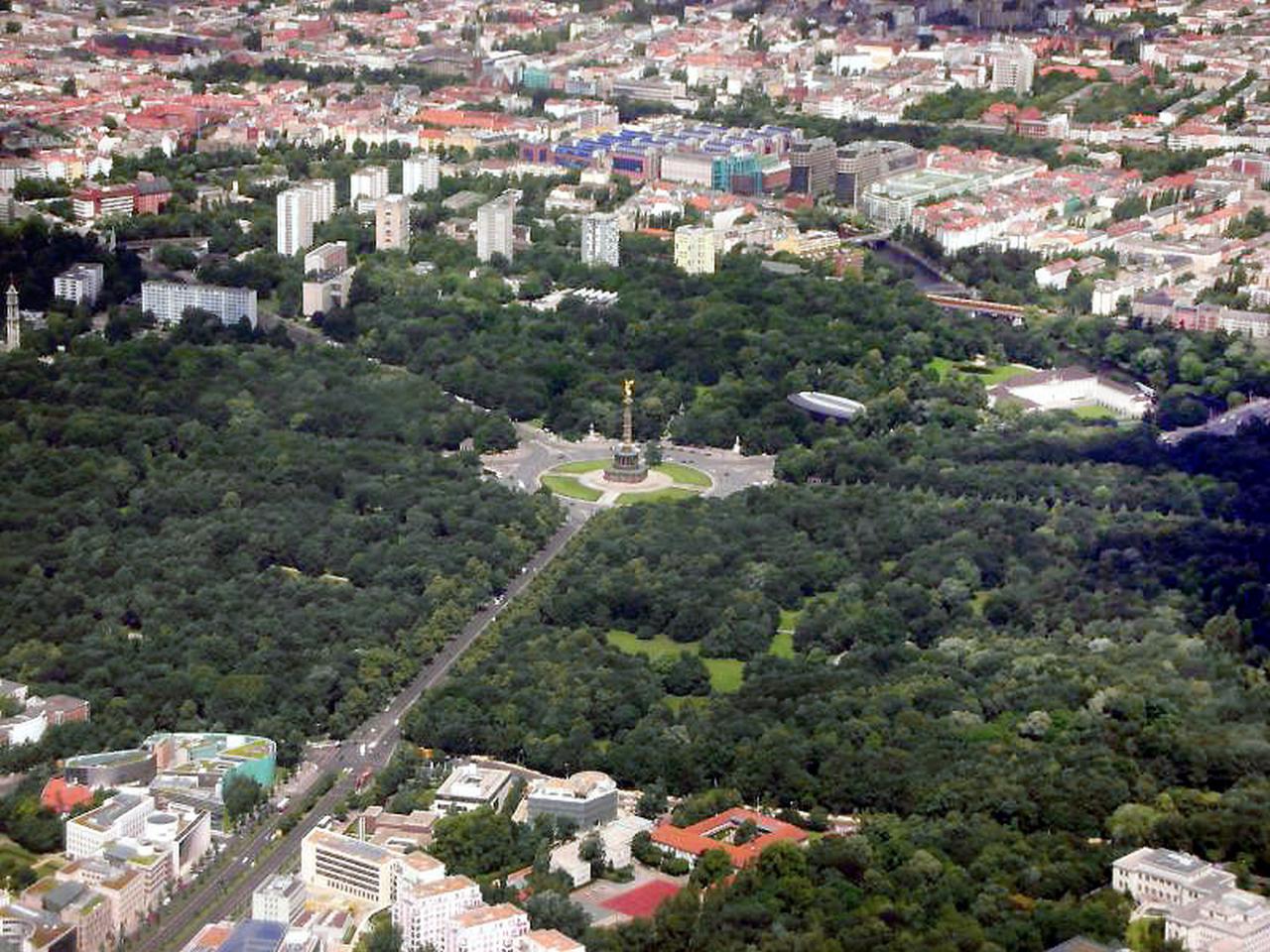
Tiergarten
Once a royal hunting ground, Berlin’s Tiergarten Park is now a vast green oasis in the heart of the city. In the late 1600s, Elector Frederick III transformed the forest into a public park. In the 19th century, landscape architect Peter Joseph Lenné redesigned it in the style of English gardens. After severe damage during the Second World War and deforestation for firewood, the park was replanted from 1949 onward with trees contributed from across Germany.
Today, Tiergarten is often compared to New York’s Central Park and London’s Hyde Park. At 210 hectares, it is slightly larger than Hyde Park and offers calm grasslands, winding paths, and tranquil lakes where joggers, cyclists, and families gather. Monuments such as the Victory Column with its panoramic views, the Soviet War Memorial, and the Global Stone peace project are scattered throughout. On the River Spree, near the Brandenburg Gate, stands the Haus der Kulturen der Welt.
This cultural center also houses a carillon with 68 bells, played every Sunday in summer. Nearby, the gas lantern museum showcases nearly 100 lanterns, which cast a warm yellow glow at dusk.Other favorites include the Café am Neuen See, a lakeside beer garden, and the English Garden. For solitude, there is Rousseau Island. More than just a park, Tiergarten represents the heart of Berlin’s nature, leisure, and cultural heritage.
Any feedback for this story?